Prevention starts at birth
Any effective scour prevention program stems from minimising exposure to disease and maximising immune function, says Dr Jessica Cooke, R&D Manager for Feed For Growth (Volac Milk Replacers Limited).
“That means paying attention to calving areas so calves are born into a clean environment with low levels of harmful pathogens, and optimising colostrum intakes to provide plenty of antibiodies to help calves fight off infection,” she explains.
To reduce disease pressure, farmers should also avoid high stocking densities and mixing age groups and ensure calf pens are regularly cleaned and disinfected between batches. Calving pens should also be given the same level of attention.
“If you feel that scour is affecting your calves, speak to your vet about identifying the cause and put in place a farm-specific prevention strategy, which may involve vaccination and reviewing colostrum management,” Dr Cooke adds.
Ensuring calves are receiving adequate levels of a precision-formulated calf milk replacer (CMR) will also help support immune status, she adds.
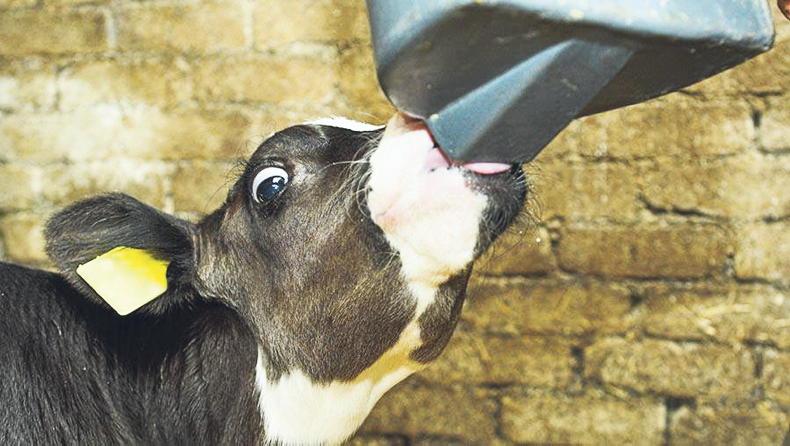
Calf health is paramount.
Managing stress in pre-weaned calves
However, sudden changes – be it from diet or weather, pen moves or transport to another rearing unit – can all place stress on pre-weaned calves and potentially trigger digestive upsets. At these times it’s important to do everything possible to support healthy gut function and prevent issues. With that in mind, Feed For Growth (Volac Milk Replacers Limited) has launched two healthcare products.
Supporting the gut during digestive upset
Feed For Growth Gut Rest helps support healthy gut function and a sound immune system, whilst also re-hydrating the calf when suffering from diarrhoea. It slows the passage of milk through the gut, giving the calf more time to rest and recover.
Dr Cooke explains: “Gut Rest contains linseed and pectins combined with an electrolyte. The linseed and pectins work together to create a viscous solution, which helps slow the digestive process. A slower passage rate provides more time for the animal to take up fluids (water) and nutrients from the intestine, aiding hydration. As an added benefit, this also thickens up the faeces.”
The product can be mixed with warm water, milk or milk replacer. Feeding with milk or milk replacer increases the young animal’s energy intake, which helps minimise the loss of growth and damage to the intestine. This is because the gut needs an energy source to heal, adds Dr Cooke.
During light bouts of scour, Feed For Growth Gut Rest can provide daily support for calves between three and 14 days of age. Calves needing more intensive daily support (for two to three days) can be fed at a higher concentration.
Rehydration through challenging periods
Feed For Growth Electrolytes could also help youngstock rearers needing to re-hydrate calves during stressful periods such as during cold or heat stress or before weaning and/or around transportation.
“Feed For Growth Electrolyte contains a sweetened flavour enhancer for improved palatability, allowing it to promote water intake by the calf. This helps promote the intake of solid feed and supports rumen development,” explains Dr Cooke.
Electrolytes should be fed in water alongside the regular milk feed and water. To make up new Feed For Growth Electrolyte, dissolve 25g in one litre of warm (35°C) water. This made-up solution will be stable for six hours under clean conditions.
Calves three to 14 days of age requiring daily electrolyte support during stressful situations, such as moving pens or transport between rearing units, need one and a half to two litres of made-up Feed For Growth Electrolyte solution once daily, Dr Cooke advises.
For more information and advice, contact your local Feed For Growth (Volac Milk Replacers Limited) business managers. Visit the Ireland Team page at www.feedforgrowth.com/contact-us.

Prevention starts at birth
Any effective scour prevention program stems from minimising exposure to disease and maximising immune function, says Dr Jessica Cooke, R&D Manager for Feed For Growth (Volac Milk Replacers Limited).
“That means paying attention to calving areas so calves are born into a clean environment with low levels of harmful pathogens, and optimising colostrum intakes to provide plenty of antibiodies to help calves fight off infection,” she explains.
To reduce disease pressure, farmers should also avoid high stocking densities and mixing age groups and ensure calf pens are regularly cleaned and disinfected between batches. Calving pens should also be given the same level of attention.
“If you feel that scour is affecting your calves, speak to your vet about identifying the cause and put in place a farm-specific prevention strategy, which may involve vaccination and reviewing colostrum management,” Dr Cooke adds.
Ensuring calves are receiving adequate levels of a precision-formulated calf milk replacer (CMR) will also help support immune status, she adds.
Calf health is paramount.
Managing stress in pre-weaned calves
However, sudden changes – be it from diet or weather, pen moves or transport to another rearing unit – can all place stress on pre-weaned calves and potentially trigger digestive upsets. At these times it’s important to do everything possible to support healthy gut function and prevent issues. With that in mind, Feed For Growth (Volac Milk Replacers Limited) has launched two healthcare products.
Supporting the gut during digestive upset
Feed For Growth Gut Rest helps support healthy gut function and a sound immune system, whilst also re-hydrating the calf when suffering from diarrhoea. It slows the passage of milk through the gut, giving the calf more time to rest and recover.
Dr Cooke explains: “Gut Rest contains linseed and pectins combined with an electrolyte. The linseed and pectins work together to create a viscous solution, which helps slow the digestive process. A slower passage rate provides more time for the animal to take up fluids (water) and nutrients from the intestine, aiding hydration. As an added benefit, this also thickens up the faeces.”
The product can be mixed with warm water, milk or milk replacer. Feeding with milk or milk replacer increases the young animal’s energy intake, which helps minimise the loss of growth and damage to the intestine. This is because the gut needs an energy source to heal, adds Dr Cooke.
During light bouts of scour, Feed For Growth Gut Rest can provide daily support for calves between three and 14 days of age. Calves needing more intensive daily support (for two to three days) can be fed at a higher concentration.
Rehydration through challenging periods
Feed For Growth Electrolytes could also help youngstock rearers needing to re-hydrate calves during stressful periods such as during cold or heat stress or before weaning and/or around transportation.
“Feed For Growth Electrolyte contains a sweetened flavour enhancer for improved palatability, allowing it to promote water intake by the calf. This helps promote the intake of solid feed and supports rumen development,” explains Dr Cooke.
Electrolytes should be fed in water alongside the regular milk feed and water. To make up new Feed For Growth Electrolyte, dissolve 25g in one litre of warm (35°C) water. This made-up solution will be stable for six hours under clean conditions.
Calves three to 14 days of age requiring daily electrolyte support during stressful situations, such as moving pens or transport between rearing units, need one and a half to two litres of made-up Feed For Growth Electrolyte solution once daily, Dr Cooke advises.
For more information and advice, contact your local Feed For Growth (Volac Milk Replacers Limited) business managers. Visit the Ireland Team page at www.feedforgrowth.com/contact-us.





SHARING OPTIONS