


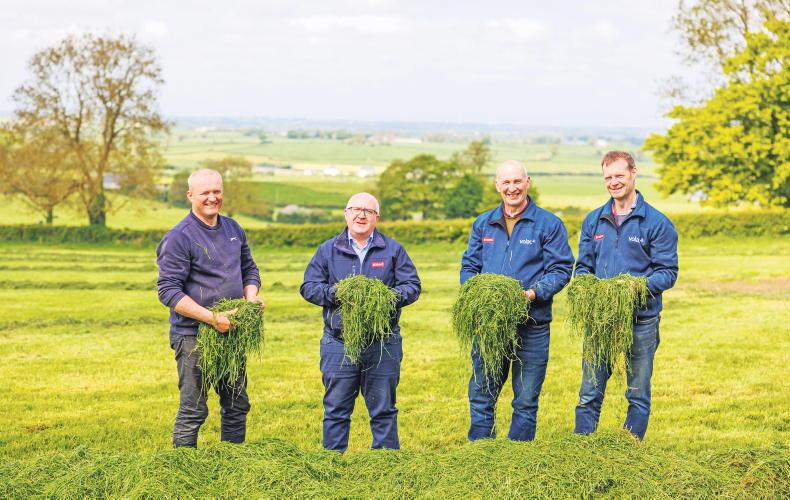
Farming near Tullaroan, brothers Leslie and Sam Caldbeck run a 250-cow herd across a 350-acre platform and also finish cattle, with silage quality playing a central role in performance across both the dairy and beef systems.
“When you’re managing a herd this size, you need to know your feed is going to perform. If the silage isn’t right, everything else becomes harder. Getting it right gives you peace of mind and makes the rest of the farm run smoother,” says Leslie.
Choosing a system that fits the farm
The Caldbecks have always used a silage inoculant, but their approach evolved in 2015 when upgrading harvesting equipment.
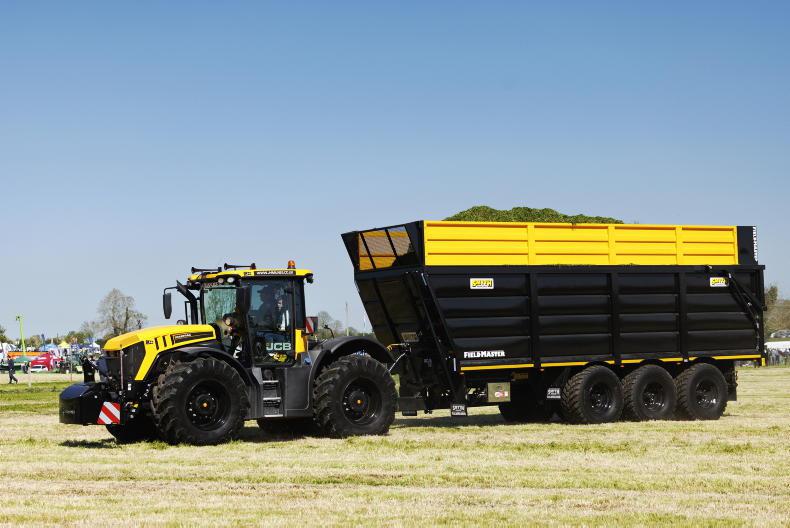
“We bought a new harvester with a liquid applicator and that was the catalyst to reviewing our options. We chose Ecosyl because it suited our system and it was straightforward to use. For the contractor, mixing a couple of litres with water takes minutes, which helps when you’re covering 350 acres,” Leslie explains.
Contractor William Corrigan, who works with the Caldbecks at harvest, notes that the setup and application is straightforward and reliable on the ground.
He explains that being able to quickly and evenly apply the silage additive during the cut makes the whole process more efficient and helps ensure good fermentation from the outset, giving confidence in how the silage will stack and perform.
“Practicality matters, but performance matters more,” Sam explains.
“How well-preserved silage translates to herd health is the key objective. It’s not just about the total tonnage harvested, but how efficiently that silage is converted into milk,” he stresses.
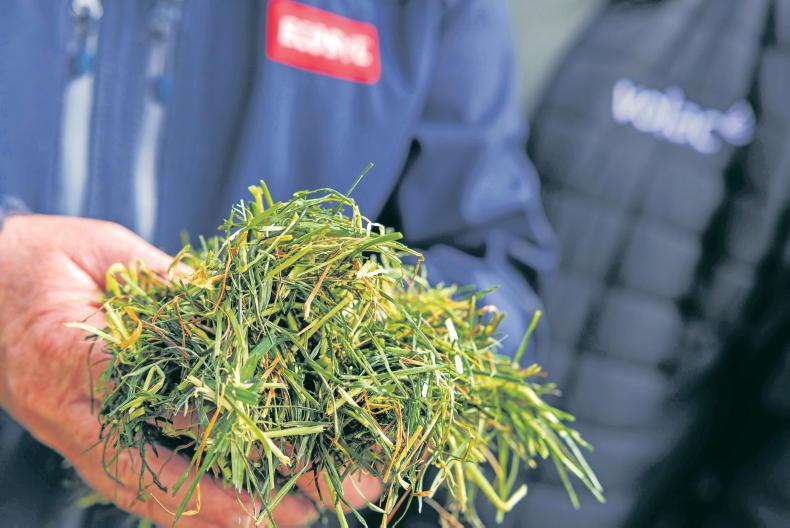
On their farm, the most recent silage tested at 77% DMD, which had a noticeable impact on herd productivity. This focus on silage quality supports not only milk production in the dairy herd, but also liveweight gain in finishing cattle.
Quality over volume
The brothers’ strategy focuses on feed value rather than maximum yield.
Leslie explains that timing is everything: “Cutting grass at the right stage is crucial. Delaying harvest might increase tonnage, but it can reduce digestibility. We’d rather feed slightly less but give cows something that genuinely supports them.”
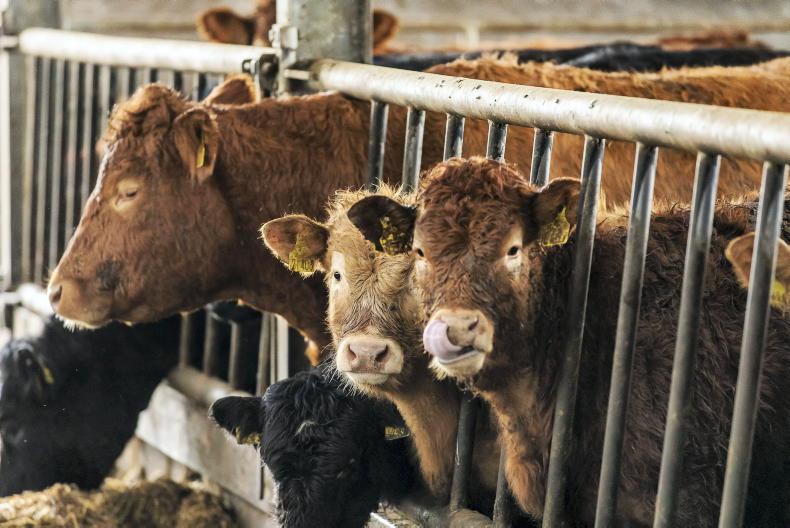
Sam adds: “When cows are eating silage as part of their overall diet, we want every kilo to contribute. High-quality forage has a noticeable effect on body condition, milk yield and overall herd performance.”
Sam also emphasises the wider benefits: “High-quality silage leads to more efficient conversions to beef and milk, so everyone gains. Our silage is utilised to the last, our milking cows have an excellent level of condition and that really is the name of the game.”
Minimising waste, maximising returns
Controlling waste is a key part of the brothers’ system, with the Caldbecks producing around 2,500 tonnes of silage each year while keeping losses to a minimum.
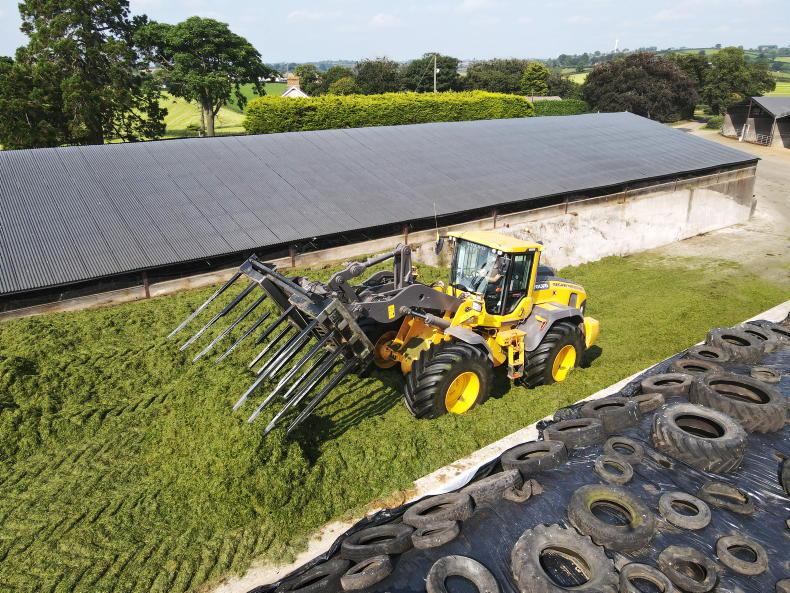
“Waste is expensive. It’s one of the biggest costs on any farm. By managing the clamp carefully and using the right inoculant, losses are very low, which makes a real difference to the farm’s efficiency,” Sam explains.
Leslie adds that stable, well-preserved silage also provides an advantage when grazing conditions are challenging. He recalls that, during a particularly difficult period two years ago, grass alone wasn’t sufficient for the cows. Introducing silage into the diet immediately improved performance, showing the value of having dependable silage in reserve.
Reliability in challenging conditions
With Ireland’s weather becoming increasingly unpredictable, having a dependable silage system is more important than ever.
“The silage keeps well, stays stable in the clamp and rarely goes off. That gives us confidence when feeding large numbers of cows. Knowing the feed will perform allows us to focus on other aspects of the farm,” Leslie says.
This dependable feed translates directly into milk production and herd efficiency.
Sam adds: “When the silage is reliable, the cows eat well, maintain body condition and produce consistently. Everything else on the farm flows from that.”
A system that works for them
After more than a decade of using Ecosyl, the Caldbecks are confident in their approach.
“It works for us, simple as that. We know what to expect each year. High-quality silage, minimal losses and strong herd performance. That’s why we’ll continue with Ecosyl for the foreseeable,” Leslie concludes.
Ecosyl business manager Liam Gannon adds that when silage is properly fermented and preserved, it supports higher dry matter intakes, helping to drive both milk production and liveweight gain on farm.
For Leslie and Sam, silage is more than just feed, it’s a vital part of a carefully managed system. By focusing on reliability, feed value and practical solutions, the brothers ensure every cow benefits from the clamp, making it a cornerstone of their farm’s ongoing success.
To identify the steps required to improve silage quality, contact your local silage expert or visit www.uk.ecosyl.com/products.



SHARING OPTIONS