Gary Gillespie UCD Lyons Farm, Celbridge, Co Kildare
The recent good weather has seen crops progress nicely and it has allowed for a lot of trials to be harvested on the farm.
The winter cereal demo plots were harvested in good conditions. These plots received no fertiliser or pesticides during the year. The winter barley and oats both yielded 3t/ac, which was considered pretty good given the circumstances.
The winter wheat averaged 1.5t/ac. This shows the importance of a good fungicide strategy as the plots were ravaged by yellow rust in the springtime, and septoria took over as we entered the summer months.
The winter rye was the star of the show, yielding 3.55t/ac. This was an outstanding result, but it had looked like the best crop all year, with a thick stand and little to no disease.
There was some luck involved too, as the rye stayed standing to harvest despite being very tall. However, the oats, which were just as tall, lodged in high winds just before harvest.
The spring demo plots are filling their grains at present. The spring barley is ripe, despite being planted on 30 April. The spring triticale is the pick of the cereals outside of the barley and looks like it will produce a good yield.
It has been a great year for some of the more exotic crops being grown as demo plots on the farm due to the higher than usual temperatures and solar radiation. The amaranth, lucerne, quinoa and millet will make it to harvest, which was unexpected, especially given the late drilling date.
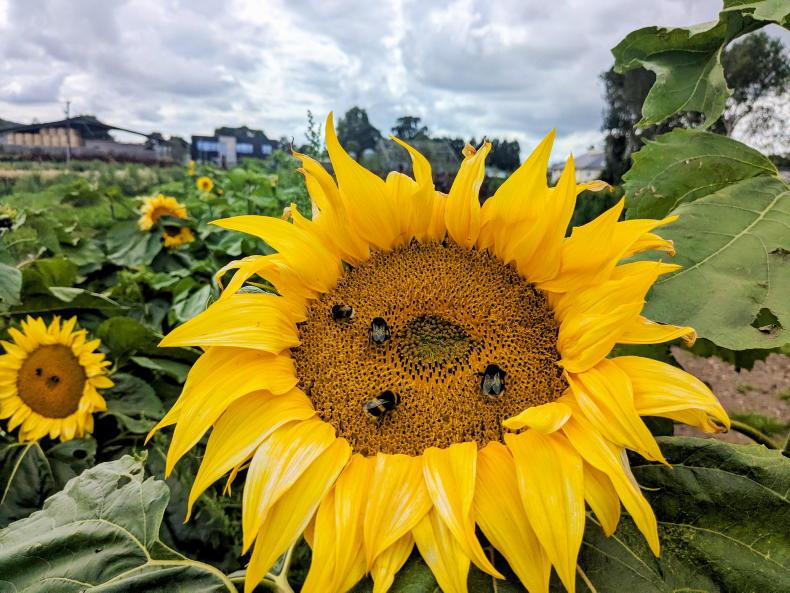
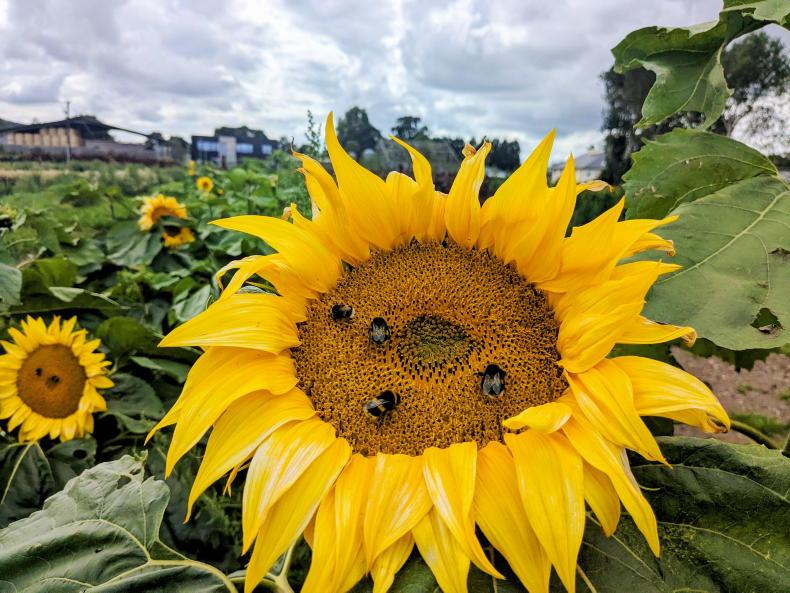
The sunflowers are now coming to the end of flowering. Some of the plants are only 3’ tall, while others are 7’ tall. Gary says it will be interesting to see if they make it to harvest by the middle of October, as this would show the potential viability of sunflowers in Ireland with some additional research into variety selection and agronomic practices, such as planting them under maize bioplastic.
Victor Love, Strabane, Co Tyrone
Victor says that it has been “the most amazing year” of weather so far in Tyrone. He had a second cut of hay down at the weekend and it was a very good crop. There was plenty of bulk in it; as Victor says it has just enough rain and plenty of heat over the past couple of months.
Victor is hoping that the good weather continues for another couple of weeks so that he can get his spring crops harvested.
The spring barley still has a bit of green in it and is still probably two weeks away from harvest. Most spring barley is harvested in Victor’s area, but his crop was sown later than most.
There has been a late burst of weeds coming through the barley. This may be because the crop is slightly thin and some rain after the dry spell germinated the weeds.
Despite being a bit thin, Victor says the crop looks good and there are huge heads in the crop, with 30 grains on an ear being commonplace.
If there is heavy rain forecast between now and harvest, Victor is considering spreading some mustard seed into the crop to see if he can get it to germinate as a cover crop. This will help give it a head start, as a cover crop planted in September usually does not grow too well.
The spring wheat looks to be full of potential but Victor says he will have to wait to see how it performs on the weighbridge. It will be ripe around the same time as the spring barley, as will the spring beans.
The wind and rain in early August tossed the beans a bit and they are leaning over, but it should not cause any issues if they remain like this. The barley is also a bit tossed but it is not too bad.
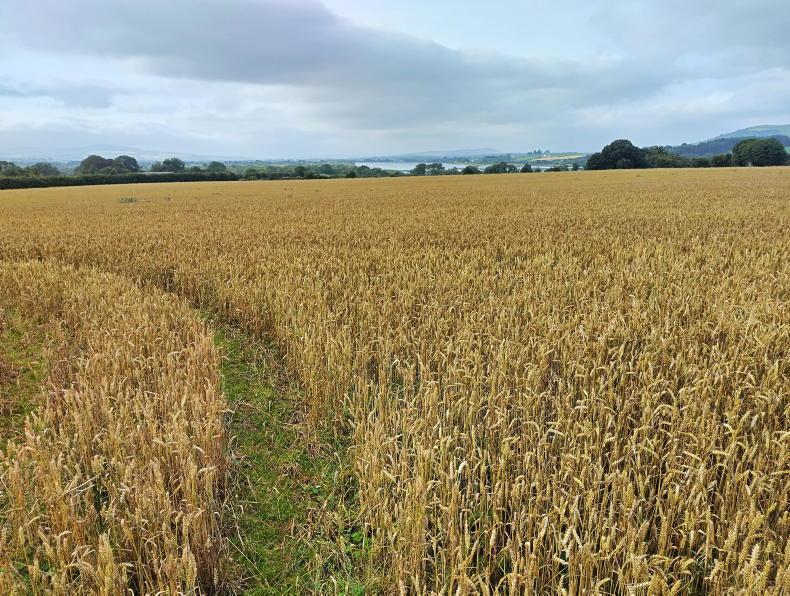
Victor's spring wheat is not yet ripe but it looks to have good potential.
Tom Murray, O’Shea Farms, Piltown, Co Kilkenny
The cereal harvest was completed in record time in Kilkenny and Tom says it was “very straightforward”. The farm received very little rain during harvest, only being stopped for a couple of days. One crop ran into the next very nicely, allowing the work to be completed in the dry weather.
Tom is happy enough with the grain yields overall, but he says that the margins will still be tight this year. The winter wheat averaged between 4.25 and 4.5t/ac. This is very good for Tom, as the land would not be good wheat ground. The winter oats yielded 3.85t/ac and were destined for Flahavans. Tom did not have final yields for the spring barley. However, he says that the malting barley did quite well, but the feed barley, which was planted later, did nearly 0.5t/ac worse.
Tom is busy on the potato and carrot side of the farm too. The farm began to harvest Jazzy seed potatoes on Tuesday.
The crop is being irrigated before harvest to minimise losses and damage. This is also being carried out on the carrot crops that are being harvested at the moment.
The maincrop potatoes are being irrigated too. Tom says it is a gamble to irrigate in August, as the weather can change very quickly. Attention will soon turn to the maincrop potato harvest.
After topping, the crop is sprayed a week later. There is a three-week skinset period between topping and harvest, while this is increased to four weeks for chipping potatoes.
Tom has held off on planting cover crops in the past couple of weeks because of the extremely dry weather. He will aim to plant them before the next forecasted rainfall.
The maize is flying it. Tom says it has been a fairly ideal season for it, so far. While the crop will be harvested earlier than usual, this is still quite a bit away and will give the crop lots of time to reach its potential.
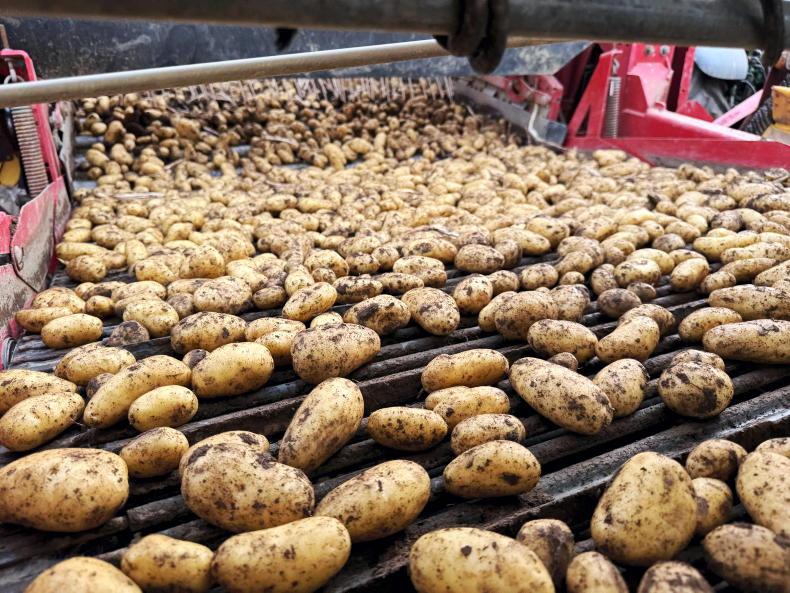
Jazzy salad potatoes being harvested during the week.
Gary Gillespie UCD Lyons Farm, Celbridge, Co Kildare
The recent good weather has seen crops progress nicely and it has allowed for a lot of trials to be harvested on the farm.
The winter cereal demo plots were harvested in good conditions. These plots received no fertiliser or pesticides during the year. The winter barley and oats both yielded 3t/ac, which was considered pretty good given the circumstances.
The winter wheat averaged 1.5t/ac. This shows the importance of a good fungicide strategy as the plots were ravaged by yellow rust in the springtime, and septoria took over as we entered the summer months.
The winter rye was the star of the show, yielding 3.55t/ac. This was an outstanding result, but it had looked like the best crop all year, with a thick stand and little to no disease.
There was some luck involved too, as the rye stayed standing to harvest despite being very tall. However, the oats, which were just as tall, lodged in high winds just before harvest.
The spring demo plots are filling their grains at present. The spring barley is ripe, despite being planted on 30 April. The spring triticale is the pick of the cereals outside of the barley and looks like it will produce a good yield.
It has been a great year for some of the more exotic crops being grown as demo plots on the farm due to the higher than usual temperatures and solar radiation. The amaranth, lucerne, quinoa and millet will make it to harvest, which was unexpected, especially given the late drilling date.
The sunflowers are now coming to the end of flowering. Some of the plants are only 3’ tall, while others are 7’ tall. Gary says it will be interesting to see if they make it to harvest by the middle of October, as this would show the potential viability of sunflowers in Ireland with some additional research into variety selection and agronomic practices, such as planting them under maize bioplastic.
Victor Love, Strabane, Co Tyrone
Victor says that it has been “the most amazing year” of weather so far in Tyrone. He had a second cut of hay down at the weekend and it was a very good crop. There was plenty of bulk in it; as Victor says it has just enough rain and plenty of heat over the past couple of months.
Victor is hoping that the good weather continues for another couple of weeks so that he can get his spring crops harvested.
The spring barley still has a bit of green in it and is still probably two weeks away from harvest. Most spring barley is harvested in Victor’s area, but his crop was sown later than most.
There has been a late burst of weeds coming through the barley. This may be because the crop is slightly thin and some rain after the dry spell germinated the weeds.
Despite being a bit thin, Victor says the crop looks good and there are huge heads in the crop, with 30 grains on an ear being commonplace.
If there is heavy rain forecast between now and harvest, Victor is considering spreading some mustard seed into the crop to see if he can get it to germinate as a cover crop. This will help give it a head start, as a cover crop planted in September usually does not grow too well.
The spring wheat looks to be full of potential but Victor says he will have to wait to see how it performs on the weighbridge. It will be ripe around the same time as the spring barley, as will the spring beans.
The wind and rain in early August tossed the beans a bit and they are leaning over, but it should not cause any issues if they remain like this. The barley is also a bit tossed but it is not too bad.
Victor's spring wheat is not yet ripe but it looks to have good potential.
Tom Murray, O’Shea Farms, Piltown, Co Kilkenny
The cereal harvest was completed in record time in Kilkenny and Tom says it was “very straightforward”. The farm received very little rain during harvest, only being stopped for a couple of days. One crop ran into the next very nicely, allowing the work to be completed in the dry weather.
Tom is happy enough with the grain yields overall, but he says that the margins will still be tight this year. The winter wheat averaged between 4.25 and 4.5t/ac. This is very good for Tom, as the land would not be good wheat ground. The winter oats yielded 3.85t/ac and were destined for Flahavans. Tom did not have final yields for the spring barley. However, he says that the malting barley did quite well, but the feed barley, which was planted later, did nearly 0.5t/ac worse.
Tom is busy on the potato and carrot side of the farm too. The farm began to harvest Jazzy seed potatoes on Tuesday.
The crop is being irrigated before harvest to minimise losses and damage. This is also being carried out on the carrot crops that are being harvested at the moment.
The maincrop potatoes are being irrigated too. Tom says it is a gamble to irrigate in August, as the weather can change very quickly. Attention will soon turn to the maincrop potato harvest.
After topping, the crop is sprayed a week later. There is a three-week skinset period between topping and harvest, while this is increased to four weeks for chipping potatoes.
Tom has held off on planting cover crops in the past couple of weeks because of the extremely dry weather. He will aim to plant them before the next forecasted rainfall.
The maize is flying it. Tom says it has been a fairly ideal season for it, so far. While the crop will be harvested earlier than usual, this is still quite a bit away and will give the crop lots of time to reach its potential.
Jazzy salad potatoes being harvested during the week.






SHARING OPTIONS