


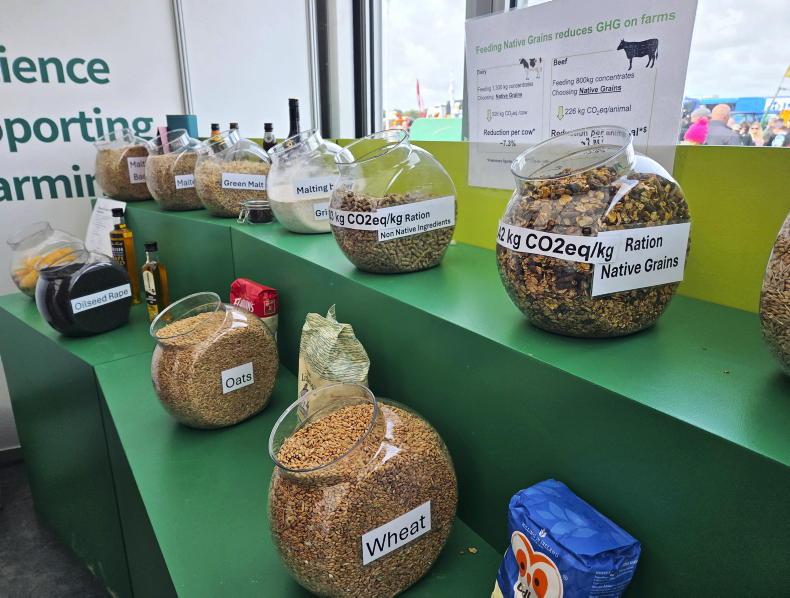
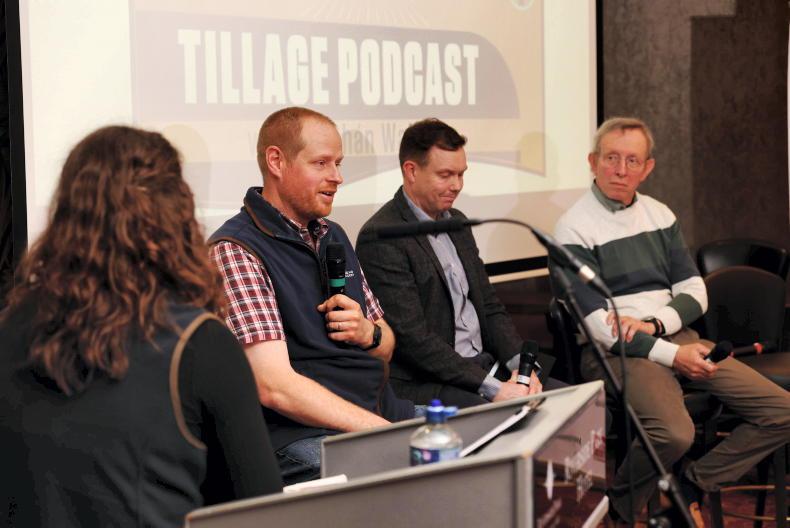
“There is a competitive pressure from mills that don’t use native,” Pat Ryan of Liffey Mills told the audience at the Irish Tillage and Land Use Society’s Winter Conference.
He described 50,000t of barley landing after harvest into the country at about €207/t or €208/t. That’s a dry price. Irish mills, purchased barley at higher prices at harvest.
On this he said: “You have to compete with that. There are a lot of mills that are not located in grain growing areas or are located at port and they have no interest in or it doesn’t suit them to buy native grain, so that’s some of what we’re up against.”
Pat said that most livestock farmers have very little interest in where their feed comes from and there is work to be done to change this. Some progress is being made. Pat commented on the big surplus of oats in the country and said a few years ago farmers would not have wanted oats in their rations.
However, now beef finishers are very accepting of oats in rations. He said oats are a good fibre source with oil and noted work by Teagasc Grange that showed no reduction in animal performance when oats were included in a ration as a replacement for barley.
Pat said co-ops and meat factories paying sustainability and quality assurance payments should be creating some kind of a bonus for the inclusion of native grain in animal feed.
Pat suggested that a group like Tillage Industry Ireland should lobby co-ops and factories to reward farmers feeding native grain to their animals.
“This would create a pull factor for native grain. If someone is getting 5c or 10c on a kilogramme of beef because they’re feeding a ration with 15-20% native grain.
“We’re a nation that produces 2m tonnes of grain. We need 6.5m tonnes of finished feed and still we struggle to clear our grain stores annually.”
Pat commented that creating this payment will help deliver a more viable price for grain. He said we’re relying on weather events to drive up prices and some are waiting for carbon payments to eventually happen, but this is a long way away. He said the market is the only thing that will pay farmers and this addition of native grain would help the market for Irish grain.
“The EU is a high-cost grain producer. We don’t have access to certain chemicals and we’re non-competitive without using GMOs and population growth is decreasing.”
Meanwhile, a Teagasc study shows that a 64% Irish ration can reduce the carbon footprint of milk production 7.3%.



SHARING OPTIONS