


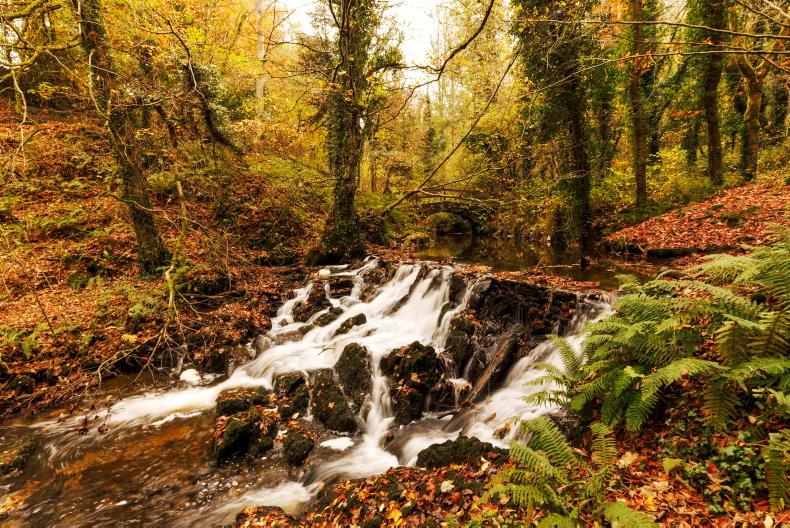
Under the European Green Deal, the EU Biodiversity Strategy for 2030 sets out the general objective of reversing biodiversity loss, so that Europe’s biodiversity is on the path to recovery by 2030 and that by 2050, all of the EU’s ecosystems are restored, resilient and adequately protected.
This is in keeping with our global commitments as well, as set out in the Kunming-Montreal Global Biodiversity Framework, adopted at COP15 of the Convention on Biological Diversity.
One of the commitments in the EU Biodiversity Strategy is to put forward a proposal for legally binding EU nature restoration targets. The proposed regulation on nature restoration (also known as the Nature Restoration Law) aims to fulfil this commitment.
This plan can’t happen without farmer buy-in and, reading the room at the Irish Farmers Association meeting in Carrick on Shannon last week, farmers are genuinely concerned about what lies ahead.
One farmer spoke passionately about his land getting designated over 20 years ago as a National Heritage Area (NHA) and a Special Area of Conservation (SAC). He objected at the time, but the land was still designated and he now finds himself in the situation that because of these designations, neither his son or daughter can come home to build a house on the family farm. This fear of further designations as a result of this law echoed through the room on the night.
Farm organisations have addressed very valid concerns around the rollout of the current draft plan. The Irish Farmers Association has argued that the plan won’t work without funding for farmers to carry out the actions required. This is also clearly stated in the report that new money will be required if the objectives of the plan are to be achieved.
Paul O’Brien, South Leinster regional chair of IFA who sat on the committee which produced the report, was adamant on the night that without new money apportioned to nature restoration, the plan will fail.
The Irish Natura and Hill Farmers Association has called for an extension of the consultation period. The consultation period opened on 3 June 2026 and closes on 1 July, leaving less than a month for farmers to send in their submissions.
The cabinet will approve the draft plan following this summer’s consultation. That draft plan will then be submitted to the European Commission next September. The Commission will then review it and come back with changes/additions over the next 18 months.
Already the argument around the Nature Restoration Law and farming has turned into a nature versus farming debate, when in fact it should be framed as how the nature restoration law can work hand-in-hand with farming.
I listened to Brendan Dunford speak at a recent event at the RDS and his messages about the Burren Beo project captured exactly what we should be trying do to with nature restoration.
Farmers farm with nature every day and it’s in farmers’ interests to make sure that nature is protected.
Over the years, it was probably poor policy design over and above anything else that has led to some biodiversity loss on our farms. It shouldn’t be a “them or us” argument, but one that starts with proper consultation and allowing a length of time for communication – only then will farmers feel involved and their concerns heard.
On many occasions in the past, consultation periods and calls for submissions have been seen as a ‘tick the box’ exercise for the relevant government departments and the chance for that engagement is gone before it evens starts.
The plan will last until 2050, so a 30-day consultation period isn’t enough.



SHARING OPTIONS