ArraTipp’s financial report covering the 10 months from its incorporation at the end of February 2025 until 31 December 2025 shows management at the new co-op has successfully navigated the process of merging the two Tipperary-based processors.
While profit after tax was a relatively low €2.3m, the reduction in net debt by €24.4m during the period to €53.4m means ArraTipp has managed to build a sound financial foundation in its first 10 months of operation.
Earnings before interest, taxation, depreciation and amortisation (Ebitda) of €26.2m gave a comfortable net debt to Ebitda ratio of two times.
Some of the other financial highlights at the end of 2025 include assets of €106m (up €2.5m) and a positive cash position of €6.1m (from an overdraft position of -€29.5m at the end of February 2025).
The society’s debt is repayable between 2026 and 2032, with the majority of bank loans having a maturity of more than five years
Micheál O’Kelly, chief financial officer at ArraTipp told the Irish Farmers Journal that the new co-op is in a position to negotiate lower interest rates for its outstanding debt, which has led to a reduction in servicing costs for its loans. The society’s debt is repayable between 2026 and 2032, with the majority of bank loans having a maturity of more than five years.
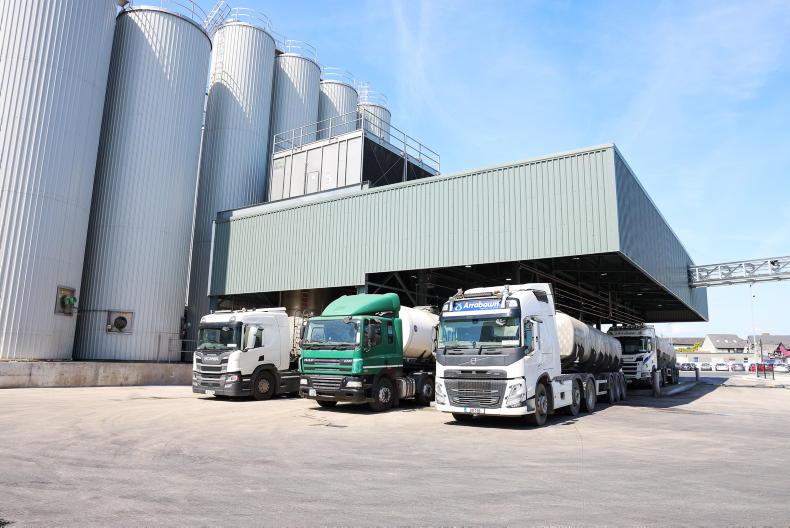
It has been a positive start to the merger, according to recent results. \ Odhran Ducie
ArraTipp processed 695m litres of members’ milk in the full year of 2025, a 5% increase on what both co-ops combined had processed in 2024. When buttermilk and deliveries from other suppliers in included, ArraTipp processed 905m litres of liquid in the year.
Support
These figures address two of the key concerns which were raised by members in October 2024 when discussions on the merger were at their height. The debt which came with the merger has been managed well, while there has been no sign of suppliers leaving the new co-op, despite some talk about that being a factor at the time.
Edward Carr, chair of ArraTipp said that a lot of Tipperary suppliers had submitted their notice on their supply contracts (which require 12 months’ notice to exit) but they had not exercised that notice since the new co-op became operational.
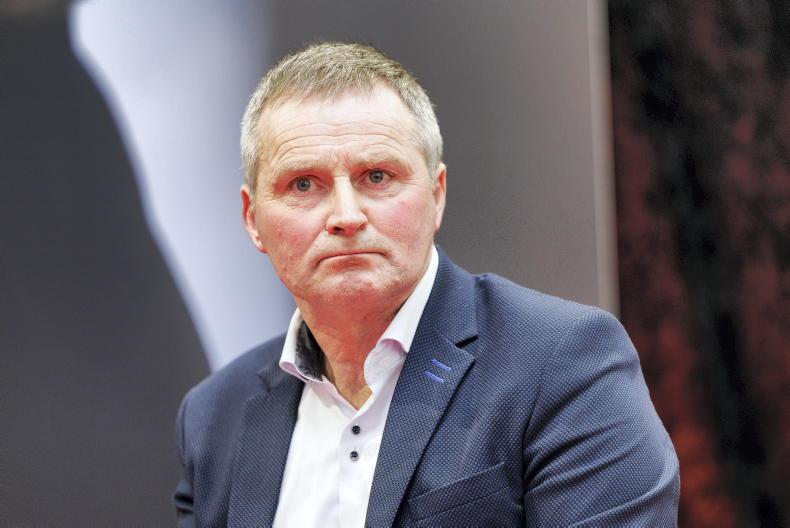
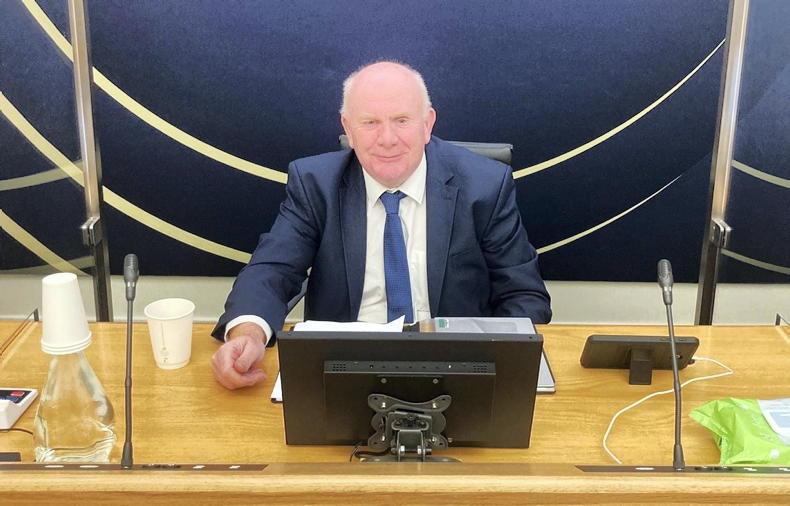
Edward Carr, ArraTipp chair. \ Donal O'Leary
“They were giving themselves an option, and happily they have not taken that,” Carr said.
There has been some streamlining of the business and cost-reduction measures during the first 10 months of operation. One of the more consequential decisions made was the ending of cheese production at the Tipperary town site.
There have also been savings on the administration side as the new co-op only needs one head office, rather than two. These measures led to a 10% drop in the number of employees to 477.
Savings and investments
The ending of cheese manufacturing in Ireland means that the profitable French cheese business, Tippagral, which had turnover of €97.6m in the period, is now a completely standalone business. That company put through 20,000t of product in the full year.
I think Oisín Moran, who is the general manger of that business, made some really good decisions at points in the year
“Tippagral is not linked to the mothership anymore,” Eamon O’Sullivan, CEO of ArraTipp explained. “I think Oisín Moran, who is the general manger of that business, made some really good decisions at points in the year which helped that business enormously. He bought when he thought it was prudent during the year, and he didn’t build stocks.

Eamon O'Sullivan, ArraTipp Co-op CEO.
“You’ll see our position at the end of the year, not just for Tippagral, but across the business was to reduce working capital needs through reducing stocks, and I think we were very successful at that,” he continued.
“A lot of that reduction came from reducing duplication in the business. In the past, there was skim and butter in Tipperary and skim and butter in Nenagh. Now we only need to hold stock in one location, so there are savings there.”
There have also been investments in the business. “We’re in the process of commissioning new bagging lines in our Nenagh plant, we’re also in moving into spray-dried caseinate, which is a new product we have invested in. We will be commissioning that in 2026.
“On the site in Tipperary, we have undertaken a big heat-recovery project which has been very, very successful,” O’Kelly said. He also cited the savings that have been made on ArraTipp’s power costs following the energisation of the solar installation in Nenagh. “We expect that to cover 15% to 18% of the power requirements of the Nenagh site [in 2026].”
We now have three divisions, and a general manager for each division
“The organisational structure has also changed,” O’Sullivan said. “We now have three divisions, and a general manager for each division. The general manager of the dairy division looks after dairy both operationally and commercially. Our general manager of agri looks after the agribusiness including retail, Dan O’Connor Feeds, etc. And we have Oisín managing Tippagral.” On grain, he said that most of what is used in Dan O’Connor Feeds is imported through Foynes, with the co-op only having about 8,000t from its own suppliers. He admitted that it is not a lot when compared to some other co-ops.
“There was a lot of grain grown in the region before, but a lot of that land is now gone into dairy,” Carr said.
Reflecting on success
Looking back at the merger, Carr said that when he was going out talking to farmers about the idea in 2024, there were two questions that farmers wanted answers to. “Would we be able to handle the debt, and would the new co-op be able to hold the Arrabawn milk price? I think we have answered both those questions very positively in 2025 which is absolutely excellent.”
Back in October 2024 there were plenty of voices on both sides of the Arrabawn-Tipperary divide raising genuine concerns about the prospects for a merged entity. While Tipperary’s financial troubles were well known, it was not clear how the new co-op would be able to handle the debt which came with the deal.
The results presented this week by ArraTipp show how well that challenge – as well as numerous others faced by through the merger process – have been dealt with by management at the new entity.
Cost savings have been achieved and the business streamlined where possible. The fact that this was done while Arratipp also paid a milk price which saw it finish in a solid mid-table position at the end-of-year milk league is, to echo Edward Carr, an excellent result.
From talking to management, it is clear that there is plenty of ambition to grow profitability at the processor, through both moving up the value chain of ingredients as well as looking at outside investment opportunities when they make financial sense.
For suppliers, it can be an emotional occasion when their co-op goes through major changes, but in the end, their farm businesses rely on having a strong profitable processor for their milk in order to get the best returns. The first 10 months of trading at ArraTipp suggest that the co-op is making a success of being that partner.
ArraTipp’s financial report covering the 10 months from its incorporation at the end of February 2025 until 31 December 2025 shows management at the new co-op has successfully navigated the process of merging the two Tipperary-based processors.
While profit after tax was a relatively low €2.3m, the reduction in net debt by €24.4m during the period to €53.4m means ArraTipp has managed to build a sound financial foundation in its first 10 months of operation.
Earnings before interest, taxation, depreciation and amortisation (Ebitda) of €26.2m gave a comfortable net debt to Ebitda ratio of two times.
Some of the other financial highlights at the end of 2025 include assets of €106m (up €2.5m) and a positive cash position of €6.1m (from an overdraft position of -€29.5m at the end of February 2025).
The society’s debt is repayable between 2026 and 2032, with the majority of bank loans having a maturity of more than five years
Micheál O’Kelly, chief financial officer at ArraTipp told the Irish Farmers Journal that the new co-op is in a position to negotiate lower interest rates for its outstanding debt, which has led to a reduction in servicing costs for its loans. The society’s debt is repayable between 2026 and 2032, with the majority of bank loans having a maturity of more than five years.
It has been a positive start to the merger, according to recent results. \ Odhran Ducie
ArraTipp processed 695m litres of members’ milk in the full year of 2025, a 5% increase on what both co-ops combined had processed in 2024. When buttermilk and deliveries from other suppliers in included, ArraTipp processed 905m litres of liquid in the year.
Support
These figures address two of the key concerns which were raised by members in October 2024 when discussions on the merger were at their height. The debt which came with the merger has been managed well, while there has been no sign of suppliers leaving the new co-op, despite some talk about that being a factor at the time.
Edward Carr, chair of ArraTipp said that a lot of Tipperary suppliers had submitted their notice on their supply contracts (which require 12 months’ notice to exit) but they had not exercised that notice since the new co-op became operational.
Edward Carr, ArraTipp chair. \ Donal O'Leary
“They were giving themselves an option, and happily they have not taken that,” Carr said.
There has been some streamlining of the business and cost-reduction measures during the first 10 months of operation. One of the more consequential decisions made was the ending of cheese production at the Tipperary town site.
There have also been savings on the administration side as the new co-op only needs one head office, rather than two. These measures led to a 10% drop in the number of employees to 477.
Savings and investments
The ending of cheese manufacturing in Ireland means that the profitable French cheese business, Tippagral, which had turnover of €97.6m in the period, is now a completely standalone business. That company put through 20,000t of product in the full year.
I think Oisín Moran, who is the general manger of that business, made some really good decisions at points in the year
“Tippagral is not linked to the mothership anymore,” Eamon O’Sullivan, CEO of ArraTipp explained. “I think Oisín Moran, who is the general manger of that business, made some really good decisions at points in the year which helped that business enormously. He bought when he thought it was prudent during the year, and he didn’t build stocks.
Eamon O'Sullivan, ArraTipp Co-op CEO.
“You’ll see our position at the end of the year, not just for Tippagral, but across the business was to reduce working capital needs through reducing stocks, and I think we were very successful at that,” he continued.
“A lot of that reduction came from reducing duplication in the business. In the past, there was skim and butter in Tipperary and skim and butter in Nenagh. Now we only need to hold stock in one location, so there are savings there.”
There have also been investments in the business. “We’re in the process of commissioning new bagging lines in our Nenagh plant, we’re also in moving into spray-dried caseinate, which is a new product we have invested in. We will be commissioning that in 2026.
“On the site in Tipperary, we have undertaken a big heat-recovery project which has been very, very successful,” O’Kelly said. He also cited the savings that have been made on ArraTipp’s power costs following the energisation of the solar installation in Nenagh. “We expect that to cover 15% to 18% of the power requirements of the Nenagh site [in 2026].”
We now have three divisions, and a general manager for each division
“The organisational structure has also changed,” O’Sullivan said. “We now have three divisions, and a general manager for each division. The general manager of the dairy division looks after dairy both operationally and commercially. Our general manager of agri looks after the agribusiness including retail, Dan O’Connor Feeds, etc. And we have Oisín managing Tippagral.” On grain, he said that most of what is used in Dan O’Connor Feeds is imported through Foynes, with the co-op only having about 8,000t from its own suppliers. He admitted that it is not a lot when compared to some other co-ops.
“There was a lot of grain grown in the region before, but a lot of that land is now gone into dairy,” Carr said.
Reflecting on success
Looking back at the merger, Carr said that when he was going out talking to farmers about the idea in 2024, there were two questions that farmers wanted answers to. “Would we be able to handle the debt, and would the new co-op be able to hold the Arrabawn milk price? I think we have answered both those questions very positively in 2025 which is absolutely excellent.”
Back in October 2024 there were plenty of voices on both sides of the Arrabawn-Tipperary divide raising genuine concerns about the prospects for a merged entity. While Tipperary’s financial troubles were well known, it was not clear how the new co-op would be able to handle the debt which came with the deal.
The results presented this week by ArraTipp show how well that challenge – as well as numerous others faced by through the merger process – have been dealt with by management at the new entity.
Cost savings have been achieved and the business streamlined where possible. The fact that this was done while Arratipp also paid a milk price which saw it finish in a solid mid-table position at the end-of-year milk league is, to echo Edward Carr, an excellent result.
From talking to management, it is clear that there is plenty of ambition to grow profitability at the processor, through both moving up the value chain of ingredients as well as looking at outside investment opportunities when they make financial sense.
For suppliers, it can be an emotional occasion when their co-op goes through major changes, but in the end, their farm businesses rely on having a strong profitable processor for their milk in order to get the best returns. The first 10 months of trading at ArraTipp suggest that the co-op is making a success of being that partner.





SHARING OPTIONS