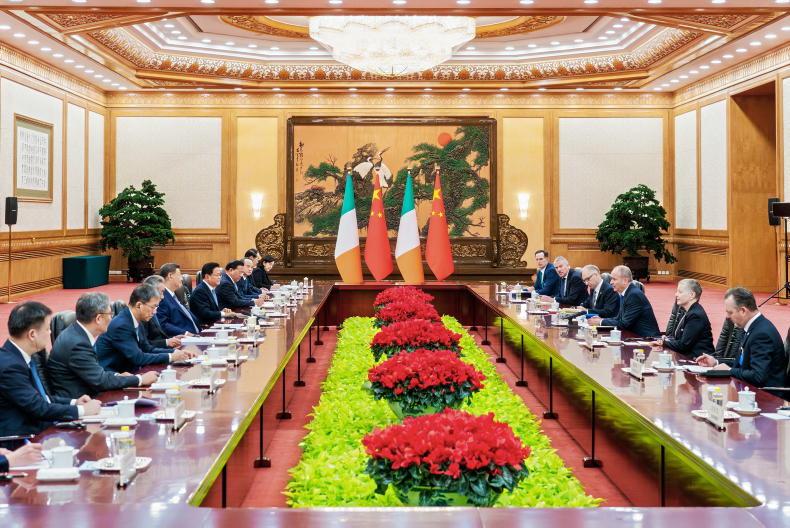
It seems like only a few days since the Taoiseach returned from China triumphant that he had given the final push to getting that market reopened for Irish beef exports. However, the reopening has effectively been a mirage as it closed again almost immediately following the bluetongue discovery in Co Wexford.
The level of disruption to trade with China for beef over the years has been exceptional because of isolated atypical BSE cases.
It has meant that the market never properly developed to its full potential and Irish beef exports have remained concentrated on the UK and western Europe.
That is unlikely to change any time soon.
China could have worked for beef exports
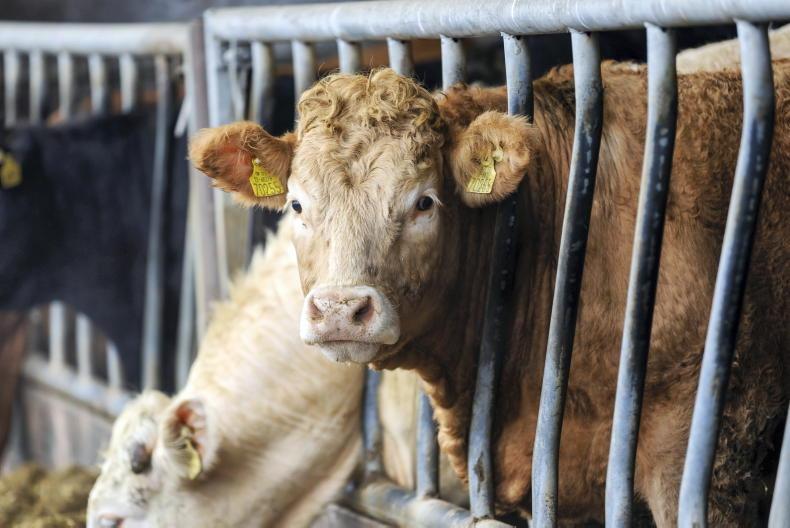
It is unfortunate that Ireland cannot develop a beef export market in China as we have done successfully for dairy and pig meat. It has grown to be twice as big as the second largest market for beef imports and while the rapid growth phase may be over, it will remain the main import market for the foreseeable future.
This year for the first time, China has introduced an import quota for beef, allocated on a country-by-country basis for their main suppliers with a general 174,000 tonne quota available for other countries.
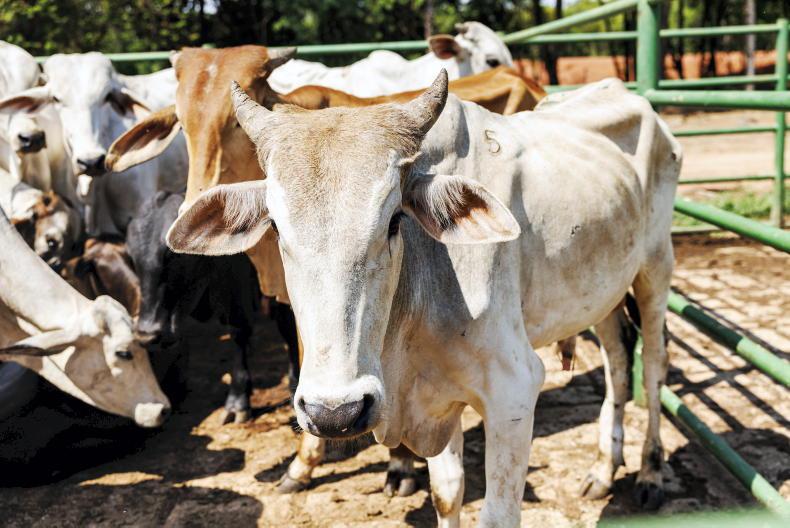
The overall quota is set at just under 2.7m tonnes for 2026 with 1.1m tonnes of this allocated to Brazil, their largest supplier, and 205,000 tonnes to Australia.
For Brazil that is 574,000 tonnes less beef than they supplied to China in 2025 and in the case of Australia it is 67,000 tonnes. If both countries were to export the same to China as they did in 2025, they would be paying an additional 55% tariff on the out of quota beef.
With a limit on volumes from Brazil and Australia before it becomes very expensive due to tariffs, an opportunity could have emerged for an alternative supplier with available quota.
This might have been Irish beef but unless the bluetongue issue is resolved quicker than the BSE suspensions previously, then it isn’t going to happen.
Alternative options for Brazilian and Australian beef exports
Given that both countries are likely to exceed their quotas for China in 2026, both Brazil and Australia’s beef exporters will be considering their options to paying a 55% tariff. Both countries are huge exporters to the US and that opportunity is likely to remain this year unless unforeseen trade issues arise.
For Brazil, if the Mercosur trade deal is implemented provisionally, then it provides a market for their share of the 99,000-tonne quota at a low preferential tariff.
Australia doesn’t have a trade deal with the EU though it is at an advanced stage of negotiation and could be finalised quickly if a beef quota access can be agreed. In the meantime Australia benefits from a huge quota tariff free for the UK market and that market is an option to develop as an alternative market to China.
Comment: a story about what might have been
Developing the market in China for Irish beef exports has been a frustrating experience for all concerned. It has been almost eight years since we were first approved and the approval process was being worked on by the Government for at least a decade before that.
Since approval was secured, the market has been closed to Irish beef exports for longer periods than it has been open. The frustration is added to by the fact that Irish dairy and particularly pig meat exports to China have been a success.
Given that beef exports to China can be stopped so readily means that Irish exporters are unlikely to prioritise that market even when it is open. Fortunately that hasn’t been an issue in recent times due to the strength of the UK and EU market for Irish beef exports.
However, with both Brazil and, to a lesser extent, Australia restricted by quota to the amount of beef they can export to China, the EU and UK markets could become a busier place later this year when they have their quota filled. More of their beef in the UK and EU markets means more competition for Irish beef.
Read more
More roadblocks in trade with China
Chinese market closed for Irish beef due to bluetongue
How China could work for Irish beef this time
It seems like only a few days since the Taoiseach returned from China triumphant that he had given the final push to getting that market reopened for Irish beef exports. However, the reopening has effectively been a mirage as it closed again almost immediately following the bluetongue discovery in Co Wexford.
The level of disruption to trade with China for beef over the years has been exceptional because of isolated atypical BSE cases.
It has meant that the market never properly developed to its full potential and Irish beef exports have remained concentrated on the UK and western Europe.
That is unlikely to change any time soon.
China could have worked for beef exports
It is unfortunate that Ireland cannot develop a beef export market in China as we have done successfully for dairy and pig meat. It has grown to be twice as big as the second largest market for beef imports and while the rapid growth phase may be over, it will remain the main import market for the foreseeable future.
This year for the first time, China has introduced an import quota for beef, allocated on a country-by-country basis for their main suppliers with a general 174,000 tonne quota available for other countries.
The overall quota is set at just under 2.7m tonnes for 2026 with 1.1m tonnes of this allocated to Brazil, their largest supplier, and 205,000 tonnes to Australia.
For Brazil that is 574,000 tonnes less beef than they supplied to China in 2025 and in the case of Australia it is 67,000 tonnes. If both countries were to export the same to China as they did in 2025, they would be paying an additional 55% tariff on the out of quota beef.
With a limit on volumes from Brazil and Australia before it becomes very expensive due to tariffs, an opportunity could have emerged for an alternative supplier with available quota.
This might have been Irish beef but unless the bluetongue issue is resolved quicker than the BSE suspensions previously, then it isn’t going to happen.
Alternative options for Brazilian and Australian beef exports
Given that both countries are likely to exceed their quotas for China in 2026, both Brazil and Australia’s beef exporters will be considering their options to paying a 55% tariff. Both countries are huge exporters to the US and that opportunity is likely to remain this year unless unforeseen trade issues arise.
For Brazil, if the Mercosur trade deal is implemented provisionally, then it provides a market for their share of the 99,000-tonne quota at a low preferential tariff.
Australia doesn’t have a trade deal with the EU though it is at an advanced stage of negotiation and could be finalised quickly if a beef quota access can be agreed. In the meantime Australia benefits from a huge quota tariff free for the UK market and that market is an option to develop as an alternative market to China.
Comment: a story about what might have been
Developing the market in China for Irish beef exports has been a frustrating experience for all concerned. It has been almost eight years since we were first approved and the approval process was being worked on by the Government for at least a decade before that.
Since approval was secured, the market has been closed to Irish beef exports for longer periods than it has been open. The frustration is added to by the fact that Irish dairy and particularly pig meat exports to China have been a success.
Given that beef exports to China can be stopped so readily means that Irish exporters are unlikely to prioritise that market even when it is open. Fortunately that hasn’t been an issue in recent times due to the strength of the UK and EU market for Irish beef exports.
However, with both Brazil and, to a lesser extent, Australia restricted by quota to the amount of beef they can export to China, the EU and UK markets could become a busier place later this year when they have their quota filled. More of their beef in the UK and EU markets means more competition for Irish beef.
Read more
More roadblocks in trade with China
Chinese market closed for Irish beef due to bluetongue
How China could work for Irish beef this time






SHARING OPTIONS