


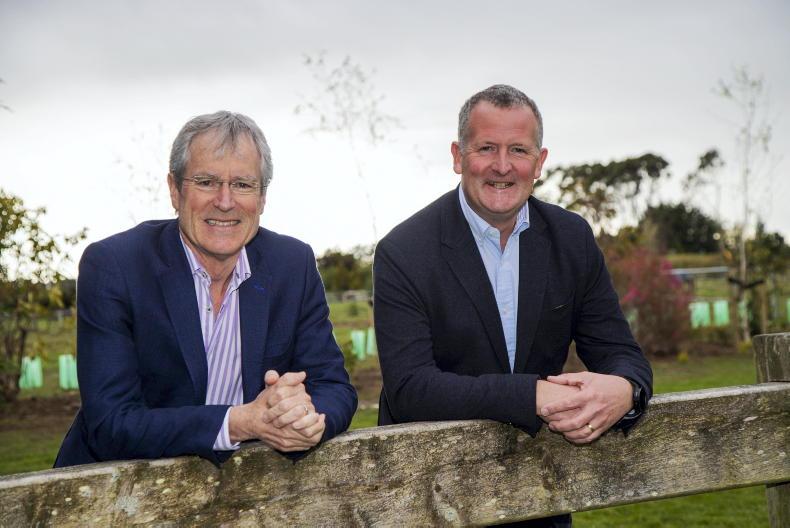
It was announced this week that the Alliance Group CEO Willie Wiese “has decided to leave the company after eight years, including almost three years as chief executive, to attend to some pressing family matters and focus on new opportunities”.
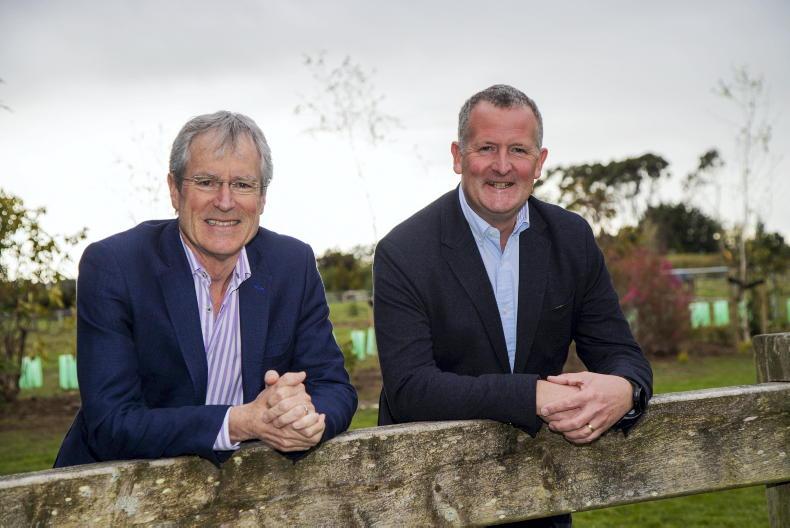
Niall Browne, CEO of Dawn Meats will now take on the role as acting CEO and paid a generous tribute to his predecessor.
Changing of the guard
In the corporate world, such changes are a frequent occurrence. When Dawn Meats announced that they were spending the equivalent of €133m of their money to invest in a New Zealand meat processing business that needed to raise capital, it followed that they would want to actively manage how the money got used.
Niall Browne also flagged this week that the “integration process with Dawn Meats is underway with senior representatives from Ireland and the UK visiting New Zealand to share information, make plans for the future and secure further synergies with Alliance.”
As acting CEO of the joint venture, he will now have a very much hands on role in this process. While the business is a joint venture between Dawn Meats who have a 65% stake in the business and Alliance who retain 35%, it is clear that Dawn will have the final word.
Similar but different
Despite the similarities in culture between Ireland, the UK and New Zealand in beef and sheep processing, it is still a challenge to merge a New Zealand business into a British and Irish one.
Niall Browne spoke at length to the Irish Farmers Journal about the synergies between the businesses and how each could learn from the other.
That is true and there is no doubt that each will be able to open doors for the other. Dawn can assist Alliance in building on their existing business connections in the UK and EU while judging from the beef and sheepmeat exports in 2025 as reported by Bord Bia this week, Dawn can certainly benefit from doors being opened in Asia and North America.
There is no doubt that everything is in place for a successful joint venture. However there remains the issue of transferring the proven successful Dawn Meats model around the world to a long established business that operates in a different time zone.
Given the success of Dawn Meats in integrating several factories in the UK and Ireland over recent years, they should have the skills necessary to do the same with the Alliance factories.
However distance is an issue and whereas the Dawn Meats team could travel to any factory in the UK or Ireland in a few hours, it isn’t as straightforward with travelling to New Zealand to maintain a hands on approach.
Challenge recognised
There is no doubt that Dawn will have factored this in, in advance of making their bid, and planned accordingly. Their past record of success with the Dunbia business and more recently Kildare Chilling demonstrates that they have the skill set to make it work.
Of course, the prize for making it work is great in that they will have an alternative cattle and sheep supply stream to supplement the shrinking herds and flocks in Europe. They have blue chip customers in Europe and in McDonald’s a major global buyer of beef.
Alliance brings Asian and North American customers to the mix so they should be able to sell their beef and sheepmeat as well as any competitor.
All the ingredients are there for a successful merger of the businesses but it will take work to make it a success. Niall Browne taking on the role of acting CEO indicates that Dawn Meats are aware of all this and their best minds are being applied to the task.



SHARING OPTIONS