The value of Irish food and drink exports increased to €19bn in 2025, another record in what has been over a decade of sustained growth.
While multinational companies may be the champions when it comes to providing corporation tax revenue, the Irish food and drink revenues are all made in Ireland and begin with the milk, calves, lambs and crops produced on Irish farms.
These raw materials are supplemented by the import of some raw materials which are processed and exported with value added.
Note of caution
While this is a good news story and a cause for celebration, there is also reason to be cautious.
The extension of the nitrates derogation was secured, but it comes with terms and conditions and it is clear that we are close to, if not past, peak dairy cow numbers.
Future milk growth can be achieved through genetics and feeding, but that comes at a cost and current market conditions would encourage farmers to cut back as opposed to expand.
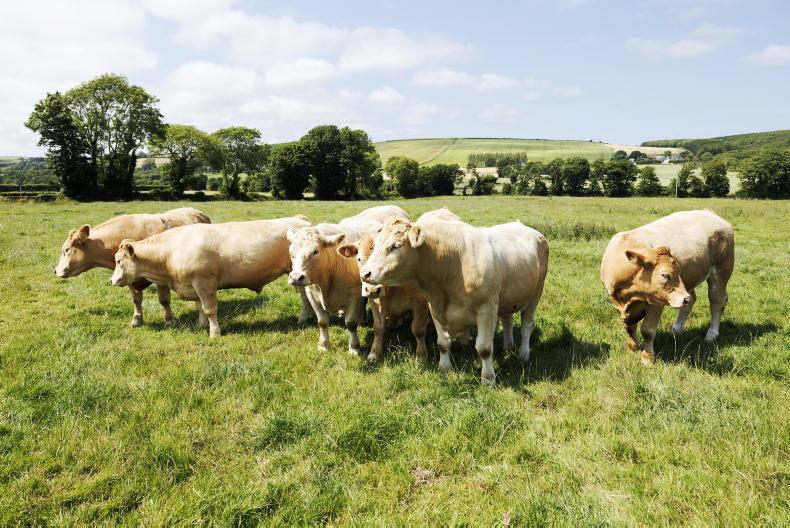
Coming off a year of exceptional beef prices, there is optimism among producers that is indeed rare.
However, the scarcity of cattle was a massive contributor to the cattle price increases secured last year. It is also inevitable that with around 200,000 fewer cattle going through Irish factories, the cost of production per kilo of beef will have increased.
If the incoming year doesn’t show an increase in the number of factory cattle, then there will have to be a question mark over processing capacity and whether some factories choose to close or increase short-time working.
There is also the reality that the main export markets for Irish beef in the EU and UK will be more open than ever before, so that means more competition and potential price pressure.
Sheepmeat decline
There also has to be concern around sheepmeat output levels. For the third year in a row, export values fell and volumes fell to their lowest level in a decade.
This is happening at a time when lamb prices have been at a reasonable level over a prolonged period, though it remains a marginal business.
No doubt the Organic Farming Scheme, which fits in particularly well with extensive sheep farming, has had an influence.
If farmers switch their land to organic and collect a payment that isn’t related to production, then the incentive to breed lambs is reduced.
Comment – could be as good as it gets
What all of this means is that despite the top-line numbers being excellent for 2025 in spite of all the uncertainty, all is not as good as it looks.
Ultimately, it is the primary production on Irish farms that is the foundation for a successful food and drink export industry.
However, with less cattle, sheep and dairy cows, then the reality is that we will have less product to sell and the door will be opened for alternative sources of supply.
This has already been happening in the UK market in the second half of 2025. Australia and New Zealand beef have been building market share by offering a good product competitively priced at a time when Irish supplies have been under pressure.
Ireland will always have a competitive advantage by our location and ability to participate in UK just-in-time delivery systems.
However, UK buyers now have the same options for beef that they have always had for lamb.
This means that Irish beef and sheepmeat face a more competitive marketplace, with less product to offer. Maintaining supply and encouraging primary producers to maintain volume will be as big a challenge in the years ahead as securing markets.
Read more
Irish food and drink exports reach €19bn
Volatility dominated 2025, with more to come in 2026
The value of Irish food and drink exports increased to €19bn in 2025, another record in what has been over a decade of sustained growth.
While multinational companies may be the champions when it comes to providing corporation tax revenue, the Irish food and drink revenues are all made in Ireland and begin with the milk, calves, lambs and crops produced on Irish farms.
These raw materials are supplemented by the import of some raw materials which are processed and exported with value added.
Note of caution
While this is a good news story and a cause for celebration, there is also reason to be cautious.
The extension of the nitrates derogation was secured, but it comes with terms and conditions and it is clear that we are close to, if not past, peak dairy cow numbers.
Future milk growth can be achieved through genetics and feeding, but that comes at a cost and current market conditions would encourage farmers to cut back as opposed to expand.
Coming off a year of exceptional beef prices, there is optimism among producers that is indeed rare.
However, the scarcity of cattle was a massive contributor to the cattle price increases secured last year. It is also inevitable that with around 200,000 fewer cattle going through Irish factories, the cost of production per kilo of beef will have increased.
If the incoming year doesn’t show an increase in the number of factory cattle, then there will have to be a question mark over processing capacity and whether some factories choose to close or increase short-time working.
There is also the reality that the main export markets for Irish beef in the EU and UK will be more open than ever before, so that means more competition and potential price pressure.
Sheepmeat decline
There also has to be concern around sheepmeat output levels. For the third year in a row, export values fell and volumes fell to their lowest level in a decade.
This is happening at a time when lamb prices have been at a reasonable level over a prolonged period, though it remains a marginal business.
No doubt the Organic Farming Scheme, which fits in particularly well with extensive sheep farming, has had an influence.
If farmers switch their land to organic and collect a payment that isn’t related to production, then the incentive to breed lambs is reduced.
Comment – could be as good as it gets
What all of this means is that despite the top-line numbers being excellent for 2025 in spite of all the uncertainty, all is not as good as it looks.
Ultimately, it is the primary production on Irish farms that is the foundation for a successful food and drink export industry.
However, with less cattle, sheep and dairy cows, then the reality is that we will have less product to sell and the door will be opened for alternative sources of supply.
This has already been happening in the UK market in the second half of 2025. Australia and New Zealand beef have been building market share by offering a good product competitively priced at a time when Irish supplies have been under pressure.
Ireland will always have a competitive advantage by our location and ability to participate in UK just-in-time delivery systems.
However, UK buyers now have the same options for beef that they have always had for lamb.
This means that Irish beef and sheepmeat face a more competitive marketplace, with less product to offer. Maintaining supply and encouraging primary producers to maintain volume will be as big a challenge in the years ahead as securing markets.
Read more
Irish food and drink exports reach €19bn
Volatility dominated 2025, with more to come in 2026






SHARING OPTIONS