


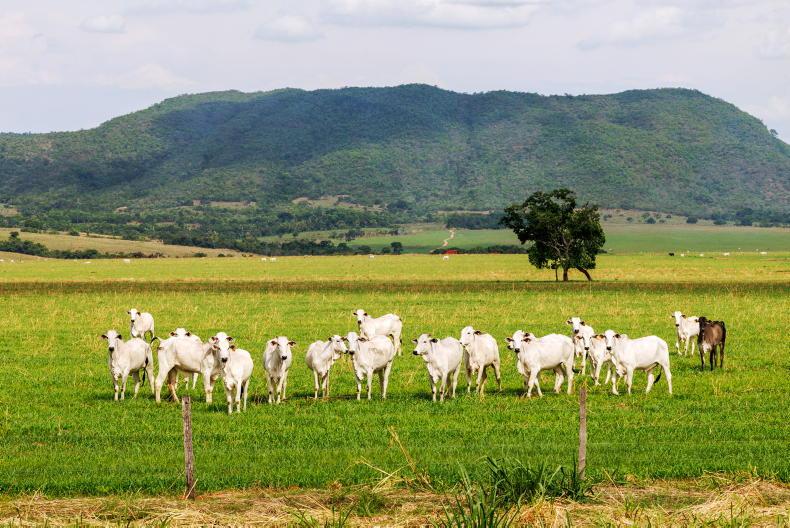
As recently as a month ago, the path to ratification of the Mercosur trade deal looked clear.
The expectation was that it would be approved at the EU heads of state meeting this month in Copenhagen under the Danish presidency and then on to the Parliament as the final step in the approval process.
While that may still be the sequence of events, the recent Irish Farmers Journal investigation and report has posed some difficult questions for EU authorities.
These difficulties are caused by EU insistence that nothing can be imported that isn’t produced to the same standards as required in the EU and that sufficient measures were in place to protect beef and poultry producers, as well as other sensitive sectors of EU production.
This is despite EU audit reports highlighting issues with controls, particularly in Brazil.
EU being left behind
There is a wider debate ongoing about where the EU fits in global competitiveness across a range of industries and technologies.
It is widely recognised that in the auto industry, Europe is in the process of being usurped by China, particularly when it comes to electric vehicles.
It is the same with technology with the US and China again considered to be well ahead with artificial intelligence.
It is just over a year since former president of the European Central Bank Mario Draghi produced a report on 'The future of European competitiveness'.
This highlighted how the EU was being left behind by the US and China and “stuck in a static industrial structure with few new companies rising up to disrupt existing industries or develop new growth engines”.
It also refers to Europe having “largely missed out on the digital revolution led by the internet and the productivity gains it brought: in fact, the productivity gap between the EU and the US is largely explained by the tech sector.”
Regulatory burden
The Draghi report doesn’t focus in particular on agriculture, but it does highlight the regulatory burden on businesses and recommends its reduction.
Irish farmers won’t need any explanation on what regulatory burdens mean for them and it is a major grievance when they have to compete head on with produce that doesn’t have a similar regulatory burden.
This also poses a question about the level of regulation on EU farmers and could it be in fact that it is the EU being out of step with the rest of the world that is the issue.
It is two decades since the WTO found in favour of the US against the EU in relation to hormone use in beef production.
At the recent World Meat Congress, growth hormones were lauded as a means of reducing greenhouse gas emissions from cattle. It is valid to ask is it EU policy that is wrong when it comes to regulation and hormones, not that of our trade partners.
Mercosur deal is good for Ireland and the EU
There is also a question around the sales pitch for the Mercosur agreement.
The reality is that Mercosur is a good deal for every sector of the Irish economy outside of agriculture, particularly beef and poultry.
In fact, there are marginal benefits for both dairy and pigmeat, but it is the major corporation tax payers of pharma and technology where the real benefits lie.
A more credible sales pitch from the EU would have been an upfront acceptance of the risk to the sensitive beef sector and a frank acknowledgement that it was collateral damage for the greater good.
It would also have helped if the safeguards which were introduced late in the day had been developed and refined earlier alongside the ringfencing of a compensation fund if all goes wrong and as originally envisaged by Phil Hogan.





SHARING OPTIONS