



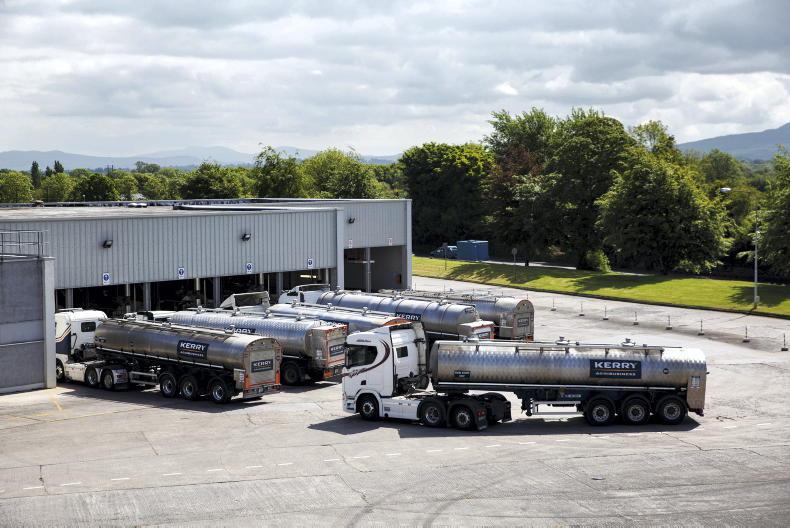
Shares in Kerry Group have dropped below €66 each, a level last seen in February 2017, close to the end of Stan McCarthy’s decade-long leadership of the organisation.
Over the course of Edmond Scanlon’s term as CEO, which began on 1 October 2017, Kerry shares rose as high as €130 in 2021, but are now trading at around half that level.
The selloff in the share price has been particularly notable in the last year, where it has dropped more than 30%.
Over the past few years, Kerry Group has engaged in a share buyback programme, which has reduced the number of shares in issue.
In 2017, the company had just over 176 million shares issued - by the end of 2025, that had fallen to just over 161 million.
The current market capitalisation of the company (the price of shares multiplied by the number of shares issued) is €10.6bn. When the shares were trading at €66 in February 2017, the company was worth €11.6bn.
There are short-, medium- and longer-term factors behind the drop in the value of shares. The conflict in the Middle East has led to a wider market selloff. The ISEQ Index of Irish shares is down more than 5% since the start of March.
Challenges
Kerry supplies ingredients and flavours into the global food and beverage industry and this sector has faced challenges over the last year or two.
Consumers have become more aware of what are known as “ultra-processed foods”, a trend that has been amplified by US Health Secretary Robert F Kennedy.
Companies which supply taste and flavour ingredients have generally fallen out of favour with investors who worry about what this trend will mean for sales. Share prices for Kerry’s peers such as Novozymes, Guvaudan and IFF (International Flavors & Fragrances) have all struggled in recent years.
The longer-term issue for the company is probably best summarised in a recent note from analysts at investment bank Berenberg where they said: “Kerry is misunderstood and continues to be mispriced.”
Put simply, investors find it difficult to understand what Kerry does, what the prospects for the company are and how to value them.
Goodbody stockbrokers recently said: “Kerry’s shares remain undervalued despite resilient growth in challenging markets. Company is experiencing solid volumes and strong margin delivery.”
Of the 18 stockbroker companies who provide a recommendation on the share, 11 rate the shares a “buy”, six have it as a “hold” and only one recommends selling.
Kerry Group would not comment on share price movements when contacted by the Irish Farmers Journal.
Executive pay
The annual report for the company was published on 19 March. That included details on the remuneration of the directors which showed a drop in payments under the company’s short-term incentive scheme payments.
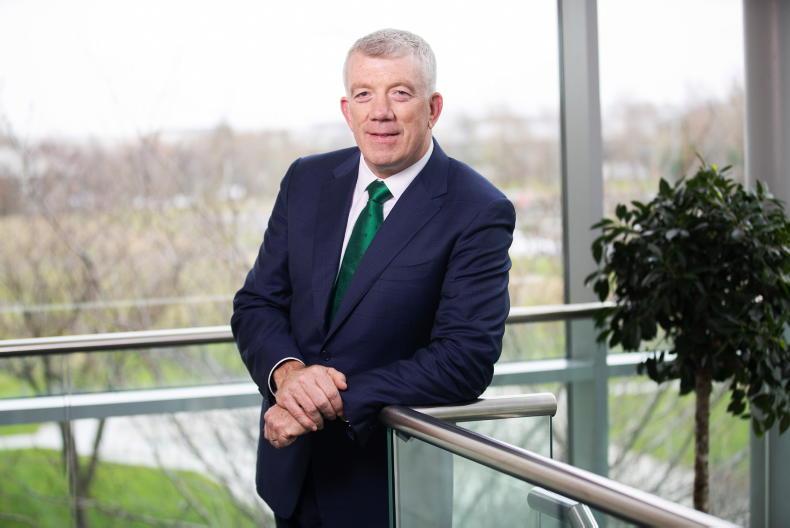
CEO Edmond Scanlon saw his base salary increase by 3% to €1.371m in 2025, while his short-term incentive plan payment dropped by 45% to €1.426m and his long-term incentive plan payment increased by 4% to €1.983m, leading to overall remuneration, including benefits and pension, of €4.978m, an 18% decline from his 2024 pay.
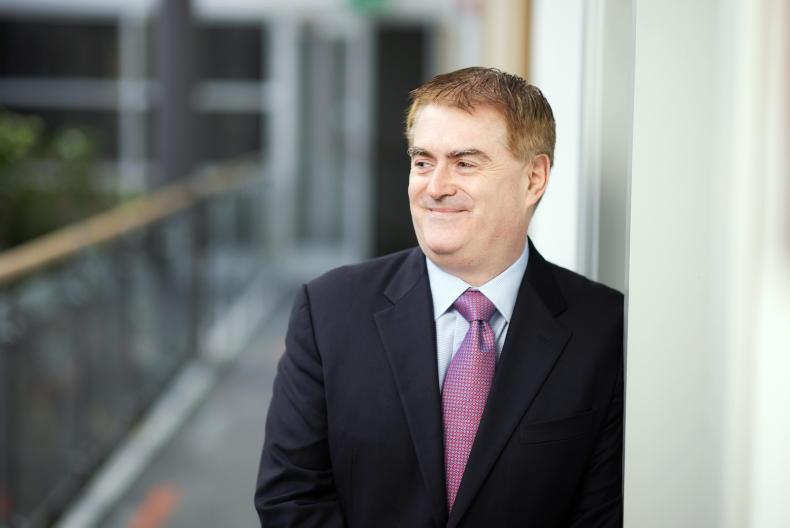
CFO Marguerite Larkin also saw an 18% drop in her pay to €2.883m, while Gery Behan, who retired at the end of 2025, saw his pay drop by 16%. Behan will receive a payment of $2.3m(€1.99m) in 2026 as part of a 12-month non-compete and non-solicitation agreement.




SHARING OPTIONS