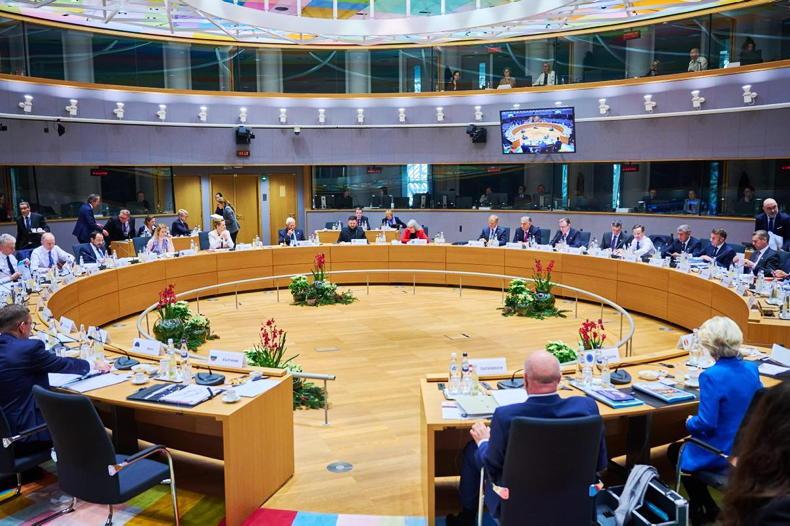
The push to get the Mercosur trade deal ratified last week could be said to have run into a wall of tractors in Brussels. In the end, the last big set piece summit of the Danish presidency decided to defer the vote. The presidency baton is now passed to Cyprus from 1 January, and Ireland takes over on 1 July.
If we rewind just a few weeks, it looked like the EU had all its ducks in a row to get the deal through.
Even the French president was making positive noises about the deal during a trip to South America.
Poland was always opposed, because the 180,000t poultry meat quota worried its many poultry producers in the way that the 99,000t beef quota was felt by Irish and French beef producers.
Even when the French president was still in South America, the acting agriculture minister back in France was warning that the safeguards introduced in September, and since approved, weren’t enough.
Italian surprise
What caught most people by surprise was the position that Italy adopted in the days before last week’s summit. The farming lobby in Italy wouldn’t be perceived as being on the same level as is France. They also have a significant industrial and drinks element to their export economy, both winners in Mercosur.
However the Italian prime minister, while claiming to support the deal, declared that she wasn’t prepared to endorse it this month. She has been reported as telling Brazil’s president Luiz Inácio Lula da Silva, who made contact with her, that she would be supporting the deal but not at this moment.
Where now?
So where does that leave the Mercosur trade deal, which has been in negotiation for over 26 years? There is no doubt that the EU is embarrassed by the failure to get the deal through under the Danish presidency.
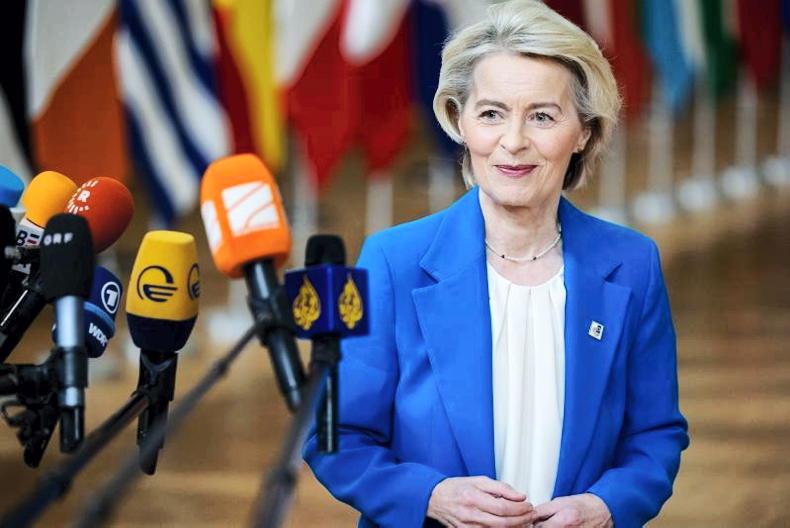
Commission president Ursula von der Leyen was on standby to travel to Brazil for an official signing ceremony and that had to be cancelled, or at best postponed.
Reports from South America suggest that they are becoming impatient with the EU ratification process, one year on from when the deal was agreed.
Just as the EU presidency rotates every six months, the same happens between the four Mercosur countries.
On 1 January, Brazil, which is enthusiastic about the deal, hands over to Paraguay, which is considered more sceptical.
With Brazil and Denmark leading their respective trade blocs, there was huge political momentum for the deal in the second half of this year.
It will be less of a priority for both Cyprus and Paraguay in the first half of 2026.
EU bureaucrats will be hoping that they have enough leg work done and that Italy will come into line as their prime minister suggested when she called for a delay, not abandonment, in her comments ahead of the Copenhagen summit.
If that is the case, we can expect that a big push will be made immediately to close the deal in the new year.
In the lead up to the heads of state meeting, Ireland wasn’t mentioned in the who is for and who is against discussion. When the Taoiseach spoke he was particularly measured and gave nothing away about what Ireland would do, but did link the Mercosur issue with the recent nitrates decision and ongoing discussions about the CAP. It is well documented that the way the EU works, particularly for smaller members, is that if they get support on a national issue that isn’t widely given to other members, then they are expected behave on other issues that may be difficult. The inference is that Ireland used its political capital in Brussels on the nitrates extension and will need to secure modifications on the CAP.
Taking a strong anti-Mercosur line would not have gone well with the majority of members in favour, nor especially the Commission which is 100% in support of it. By sitting on the fence, the Irish Government has managed not cause any annoyance though of course the European Commission and Danish presidency would have welcomed a symbolic positive endorsement.
Numbers for and against
Where it would get interesting for Ireland is if there are three large countries, needing a fourth to form a blocking minority. In that scenario, the Irish Government would be forced to make a decision and it will be difficult.
The Taoiseach, when he spoke last week, chose his words carefully, but at no point said clearly that he would be voting against it. If, as looks likely, the vote is pushed back by a few weeks, then the choice will be to choose one of three options: vote for the deal, vote against the deal or abstain. If the numbers are clearly for or against irrespective of how Ireland votes, then the Government is off the hook. If, however, there are three countries that have 35% of the EU population and a fourth was required for a blocking minority, Ireland would make the difference.
In that scenario, Ireland would make or break the deal. Whichever the Irish Government chooses there would be winners and losers. Obviously, farmers want the deal opposed.
However, if Mercosur falls, then the major multinational corporations in pharma and technology, that are the main contributors of corporation tax, would lose out. From their equivocation over recent weeks, clearly that is a decision that the Government doesn’t want to have to make.
Money talks
Looking at the decision from a revenue perspective, Irish Government finances would be better off with the Mercosur deal approved even if farmers did take a hit. If the vote does come around again in January, the Government will be quietly hoping that it is clear cut either way and it can stay on the fence. With the Taoiseach linking his comments on Mercosur with the nitrates derogation and CAP, we shouldn’t be surprised if side deals are on the table over the coming weeks in relation to CAP in an attempt to get Ireland on board. However, it is difficult to see what could be offered, given EU budget pressures, that would pay off farmers sufficiently to accept Mercosur.
Wider political dimension
Global trade policy in 2025 was very much dictated by the US and both the EU and the Mercosur countries scrambled to minimise the tariff burdens on their exports to that country. In this dialogue, it was very clearly the US that controlled the agenda, even if the impact on its economy led to a reversal of some of the more extreme tariff decisions.
The EU-Mercosur trade deal is the largest global trade deal ever negotiated. That is why it was a difficult negotiation and took so long and why the ratification process is not straightforward.
If the EU cannot persuade its member states to sign off the deal, it makes the institution appear weak and feed into the dismissive narrative put forward by the US president on the EU over the past year.
If, however, the deal did get signed off, then it would create a very powerful transatlantic trade alliance and boost the economies of both.
In Italian hands
While the farmer protests last week weren’t just about Mercosur, they certainly contributed to the ratification process not going ahead as planned. The question now is has it just been paused or has the EU lost the appetite for the deal. At this stage, it looks like France and Poland are definitely against and Hungary is also mentioned as possible opponent.
However, even if Ireland was to oppose the deal it still wouldn’t matter as the 35% of the EU population criteria wouldn’t be met. If France, Poland and Italy are joined by another country, then there is a blocking minority. If Italy follows the path suggested by prime minister Giorgia Meloni that they would support the deal, just not now, then it will be approved. Italy holds the key.
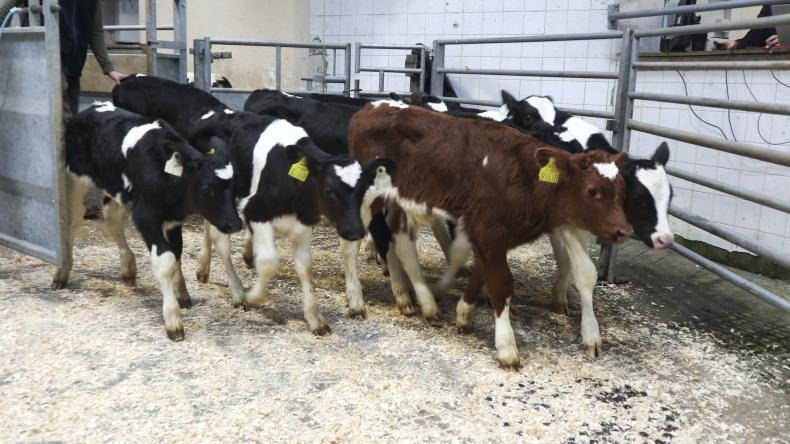
Mercosur is a trade alliance between the South American countries of Argentina, Brazil, Paraguay and Uruguay.The Mercosur trade deal was negotiated between them and the EU over 25 years.It is currently being considered for approval by the EU.Farmers are opposed to the deal because it gives the South American countries large beef and poultry meat quotas.Many sectors of the Irish and EU economy would benefit from the deal, in particular pharmaceuticals, technology, cars and other industrial goods.To get approval a qualified majority of member states is required plus a simple majority (50% +1) in the European Parliament.The deal can be blocked if a minimum of four member states that represent 35% of the EU population oppose the deal.
The push to get the Mercosur trade deal ratified last week could be said to have run into a wall of tractors in Brussels. In the end, the last big set piece summit of the Danish presidency decided to defer the vote. The presidency baton is now passed to Cyprus from 1 January, and Ireland takes over on 1 July.
If we rewind just a few weeks, it looked like the EU had all its ducks in a row to get the deal through.
Even the French president was making positive noises about the deal during a trip to South America.
Poland was always opposed, because the 180,000t poultry meat quota worried its many poultry producers in the way that the 99,000t beef quota was felt by Irish and French beef producers.
Even when the French president was still in South America, the acting agriculture minister back in France was warning that the safeguards introduced in September, and since approved, weren’t enough.
Italian surprise
What caught most people by surprise was the position that Italy adopted in the days before last week’s summit. The farming lobby in Italy wouldn’t be perceived as being on the same level as is France. They also have a significant industrial and drinks element to their export economy, both winners in Mercosur.
However the Italian prime minister, while claiming to support the deal, declared that she wasn’t prepared to endorse it this month. She has been reported as telling Brazil’s president Luiz Inácio Lula da Silva, who made contact with her, that she would be supporting the deal but not at this moment.
Where now?
So where does that leave the Mercosur trade deal, which has been in negotiation for over 26 years? There is no doubt that the EU is embarrassed by the failure to get the deal through under the Danish presidency.
Commission president Ursula von der Leyen was on standby to travel to Brazil for an official signing ceremony and that had to be cancelled, or at best postponed.
Reports from South America suggest that they are becoming impatient with the EU ratification process, one year on from when the deal was agreed.
Just as the EU presidency rotates every six months, the same happens between the four Mercosur countries.
On 1 January, Brazil, which is enthusiastic about the deal, hands over to Paraguay, which is considered more sceptical.
With Brazil and Denmark leading their respective trade blocs, there was huge political momentum for the deal in the second half of this year.
It will be less of a priority for both Cyprus and Paraguay in the first half of 2026.
EU bureaucrats will be hoping that they have enough leg work done and that Italy will come into line as their prime minister suggested when she called for a delay, not abandonment, in her comments ahead of the Copenhagen summit.
If that is the case, we can expect that a big push will be made immediately to close the deal in the new year.
In the lead up to the heads of state meeting, Ireland wasn’t mentioned in the who is for and who is against discussion. When the Taoiseach spoke he was particularly measured and gave nothing away about what Ireland would do, but did link the Mercosur issue with the recent nitrates decision and ongoing discussions about the CAP. It is well documented that the way the EU works, particularly for smaller members, is that if they get support on a national issue that isn’t widely given to other members, then they are expected behave on other issues that may be difficult. The inference is that Ireland used its political capital in Brussels on the nitrates extension and will need to secure modifications on the CAP.
Taking a strong anti-Mercosur line would not have gone well with the majority of members in favour, nor especially the Commission which is 100% in support of it. By sitting on the fence, the Irish Government has managed not cause any annoyance though of course the European Commission and Danish presidency would have welcomed a symbolic positive endorsement.
Numbers for and against
Where it would get interesting for Ireland is if there are three large countries, needing a fourth to form a blocking minority. In that scenario, the Irish Government would be forced to make a decision and it will be difficult.
The Taoiseach, when he spoke last week, chose his words carefully, but at no point said clearly that he would be voting against it. If, as looks likely, the vote is pushed back by a few weeks, then the choice will be to choose one of three options: vote for the deal, vote against the deal or abstain. If the numbers are clearly for or against irrespective of how Ireland votes, then the Government is off the hook. If, however, there are three countries that have 35% of the EU population and a fourth was required for a blocking minority, Ireland would make the difference.
In that scenario, Ireland would make or break the deal. Whichever the Irish Government chooses there would be winners and losers. Obviously, farmers want the deal opposed.
However, if Mercosur falls, then the major multinational corporations in pharma and technology, that are the main contributors of corporation tax, would lose out. From their equivocation over recent weeks, clearly that is a decision that the Government doesn’t want to have to make.
Money talks
Looking at the decision from a revenue perspective, Irish Government finances would be better off with the Mercosur deal approved even if farmers did take a hit. If the vote does come around again in January, the Government will be quietly hoping that it is clear cut either way and it can stay on the fence. With the Taoiseach linking his comments on Mercosur with the nitrates derogation and CAP, we shouldn’t be surprised if side deals are on the table over the coming weeks in relation to CAP in an attempt to get Ireland on board. However, it is difficult to see what could be offered, given EU budget pressures, that would pay off farmers sufficiently to accept Mercosur.
Wider political dimension
Global trade policy in 2025 was very much dictated by the US and both the EU and the Mercosur countries scrambled to minimise the tariff burdens on their exports to that country. In this dialogue, it was very clearly the US that controlled the agenda, even if the impact on its economy led to a reversal of some of the more extreme tariff decisions.
The EU-Mercosur trade deal is the largest global trade deal ever negotiated. That is why it was a difficult negotiation and took so long and why the ratification process is not straightforward.
If the EU cannot persuade its member states to sign off the deal, it makes the institution appear weak and feed into the dismissive narrative put forward by the US president on the EU over the past year.
If, however, the deal did get signed off, then it would create a very powerful transatlantic trade alliance and boost the economies of both.
In Italian hands
While the farmer protests last week weren’t just about Mercosur, they certainly contributed to the ratification process not going ahead as planned. The question now is has it just been paused or has the EU lost the appetite for the deal. At this stage, it looks like France and Poland are definitely against and Hungary is also mentioned as possible opponent.
However, even if Ireland was to oppose the deal it still wouldn’t matter as the 35% of the EU population criteria wouldn’t be met. If France, Poland and Italy are joined by another country, then there is a blocking minority. If Italy follows the path suggested by prime minister Giorgia Meloni that they would support the deal, just not now, then it will be approved. Italy holds the key.
Mercosur is a trade alliance between the South American countries of Argentina, Brazil, Paraguay and Uruguay.The Mercosur trade deal was negotiated between them and the EU over 25 years.It is currently being considered for approval by the EU.Farmers are opposed to the deal because it gives the South American countries large beef and poultry meat quotas.Many sectors of the Irish and EU economy would benefit from the deal, in particular pharmaceuticals, technology, cars and other industrial goods.To get approval a qualified majority of member states is required plus a simple majority (50% +1) in the European Parliament.The deal can be blocked if a minimum of four member states that represent 35% of the EU population oppose the deal. 






SHARING OPTIONS