The rate of like-for-like UK grocery inflation has held steady at 4.3% in the four weeks to March 22 2026 compared to the same period last year according to the latest data from Worldpanel by Numerator.
This is an average price increase across 75,000 identical products compared year on year in the proportions purchased by British shoppers.
Worldpanel says that this therefore represents the most authoritative figure currently available as it is a “pure” inflation measure in that shopping behaviour is held constant between the two comparison periods.
Shoppers are likely to achieve a lower personal inflation rate if they trade down or seek out more offers.
Within the average increase of 4.3% some products cost more while others cost less.
Worldpanel highlighted that prices are rising fastest in markets such as, fresh
unprocessed meat, chilled meal solutions and coffee and are falling fastest in chilled butter and spreads, sugar confectionery and household paper.
Supermarkets share
Over the 12-week period to 22 March, Lidl increased its market share by 0.5% compared with the same period in 2025.
They now have 8.3% of the UK grocery market, making them the sixth-largest grocery retailer.
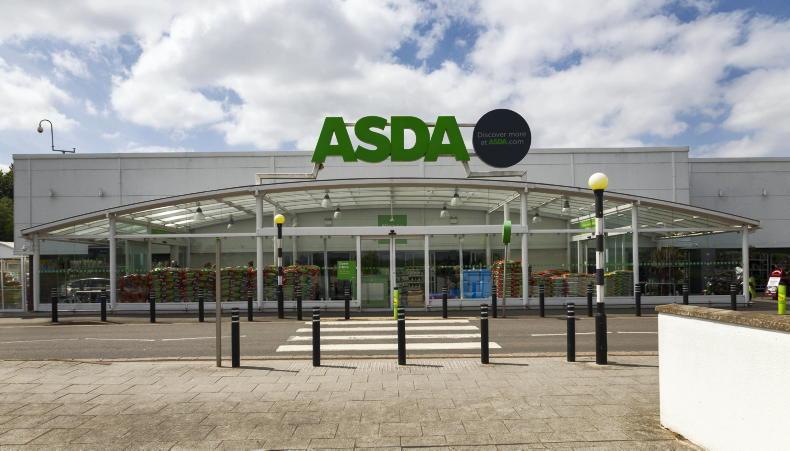
Tesco, the largest grocery retailer in the UK increased their market share further during this 12-week period and now account for 28% of all groceries sold compared with 27.7% in the same 12-week period last year. Sainsbury’s, in second place, also increased its market share to 15.6%, up from 15.3% a year ago, but Asda – in third – lost share and was down from 12.1% of the grocery market in March 2025 to 11.6% in the latest 12-week period. Aldi is next with 10.6% of the market, down on the 10.8% it had in the same period last year.
Worldpanel analysis
Fraser McKevitt, head of retail and consumer insight at Worldpanel said: “Financial anxiety among British consumers was already running high before the conflict [in the Middle East] began.”
And with grocery inflation likely to increase and fuel costs rising sharply, the conditions that make shoppers feel vulnerable are only intensifying.
Shoppers will look to lessen the impact on their baskets when faced with rising prices, and while there remains a level of uncertainty, we are watching closely for behavioural changes like trading down and switching which often emerge during periods of economic pressure.”
As this period covers the run-up to Easter, seasonal purchases featured in the shopping trolleys. Over 40% of shoppers have picked up at least one pack of hot cross buns in the past four weeks and 30% have bought at least one Easter egg.
Interestingly, while the price of chocolate eased, down to 8% from 9.3% the previous month, continued price pressures mean the average paid for an Easter egg was 9% higher than last year, up to £3.27.
Fonterra completes the sale
of its consumer business
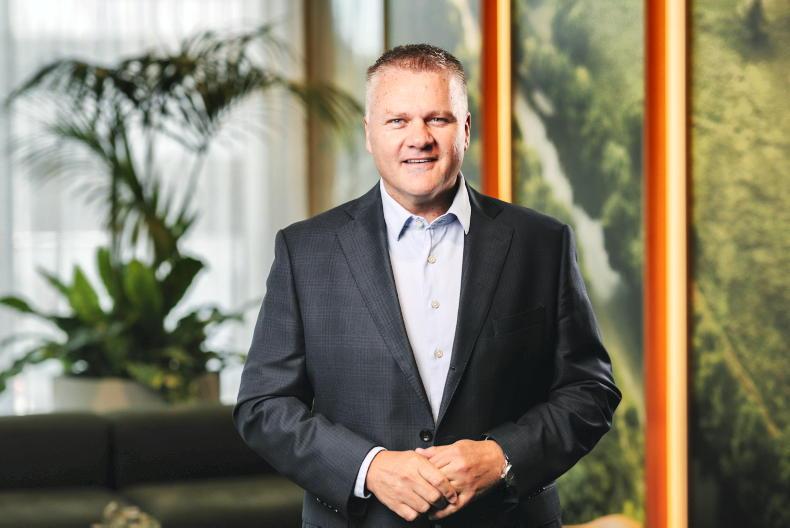
Miles Hurrell, CEO Fonterra.
New Zealand farmer-owned co-operative Fonterra has completed the sale of its consumer and associated business, Mainland group to Lactalis.
Included in this sale are Fonterra’s global consumer business and consumer brands, but excluding the consumer business in Greater China where Fonterra will continue to own the Anchor brand. Also included are the integrated food service and ingredients business in Oceania as well as the food service businesses in Sri Lanka, the Middle East and Africa
Future trading
In the deal, Fonterra will supply raw milk to Lactalis for a minimum term of 10 years, with automatic renewal until terminated. There is also a global supply agreement that provides for Fonterra to supply ingredients and other products (eg bulk cheese) to Lactalis for a minimum period of six years, with automatic renewal until terminated.
In a statement released by the company at the conclusion of the deal earlier this week, Peter McBride, chairman, says the completion of the sale sets the co-op up for the future and “with the divestment complete, Fonterra can return capital to its owners and focus on growing further through its core business as a New Zealand farmer-owned global B2B dairy provider”.
CEO Miles Hurrell said: “The completion of the sale also signals the start of our long-term partnership with Lactalis. Lactalis becomes one of our most significant ingredients customers, as we continue to supply milk and other products to divested businesses.”
Fonterra will return NZ$3.2bn (€1.6bn) of divestment proceeds to farmer shareholders and unit holders via a NZ$2.00 (€1.00) per share capital return.
Fonterra’s financial year 2026 earnings guidance for continuing operations remains unchanged at NZ$50-65 cents (€0.30-€0.33) per share.
The rate of like-for-like UK grocery inflation has held steady at 4.3% in the four weeks to March 22 2026 compared to the same period last year according to the latest data from Worldpanel by Numerator.
This is an average price increase across 75,000 identical products compared year on year in the proportions purchased by British shoppers.
Worldpanel says that this therefore represents the most authoritative figure currently available as it is a “pure” inflation measure in that shopping behaviour is held constant between the two comparison periods.
Shoppers are likely to achieve a lower personal inflation rate if they trade down or seek out more offers.
Within the average increase of 4.3% some products cost more while others cost less.
Worldpanel highlighted that prices are rising fastest in markets such as, fresh
unprocessed meat, chilled meal solutions and coffee and are falling fastest in chilled butter and spreads, sugar confectionery and household paper.
Supermarkets share
Over the 12-week period to 22 March, Lidl increased its market share by 0.5% compared with the same period in 2025.
They now have 8.3% of the UK grocery market, making them the sixth-largest grocery retailer.
Tesco, the largest grocery retailer in the UK increased their market share further during this 12-week period and now account for 28% of all groceries sold compared with 27.7% in the same 12-week period last year. Sainsbury’s, in second place, also increased its market share to 15.6%, up from 15.3% a year ago, but Asda – in third – lost share and was down from 12.1% of the grocery market in March 2025 to 11.6% in the latest 12-week period. Aldi is next with 10.6% of the market, down on the 10.8% it had in the same period last year.
Worldpanel analysis
Fraser McKevitt, head of retail and consumer insight at Worldpanel said: “Financial anxiety among British consumers was already running high before the conflict [in the Middle East] began.”
And with grocery inflation likely to increase and fuel costs rising sharply, the conditions that make shoppers feel vulnerable are only intensifying.
Shoppers will look to lessen the impact on their baskets when faced with rising prices, and while there remains a level of uncertainty, we are watching closely for behavioural changes like trading down and switching which often emerge during periods of economic pressure.”
As this period covers the run-up to Easter, seasonal purchases featured in the shopping trolleys. Over 40% of shoppers have picked up at least one pack of hot cross buns in the past four weeks and 30% have bought at least one Easter egg.
Interestingly, while the price of chocolate eased, down to 8% from 9.3% the previous month, continued price pressures mean the average paid for an Easter egg was 9% higher than last year, up to £3.27.
Fonterra completes the sale
of its consumer business
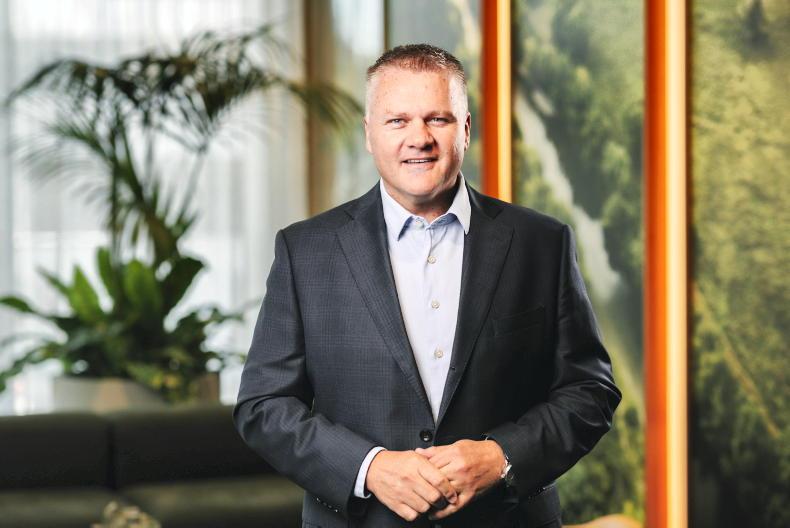
Miles Hurrell, CEO Fonterra.
New Zealand farmer-owned co-operative Fonterra has completed the sale of its consumer and associated business, Mainland group to Lactalis.
Included in this sale are Fonterra’s global consumer business and consumer brands, but excluding the consumer business in Greater China where Fonterra will continue to own the Anchor brand. Also included are the integrated food service and ingredients business in Oceania as well as the food service businesses in Sri Lanka, the Middle East and Africa
Future trading
In the deal, Fonterra will supply raw milk to Lactalis for a minimum term of 10 years, with automatic renewal until terminated. There is also a global supply agreement that provides for Fonterra to supply ingredients and other products (eg bulk cheese) to Lactalis for a minimum period of six years, with automatic renewal until terminated.
In a statement released by the company at the conclusion of the deal earlier this week, Peter McBride, chairman, says the completion of the sale sets the co-op up for the future and “with the divestment complete, Fonterra can return capital to its owners and focus on growing further through its core business as a New Zealand farmer-owned global B2B dairy provider”.
CEO Miles Hurrell said: “The completion of the sale also signals the start of our long-term partnership with Lactalis. Lactalis becomes one of our most significant ingredients customers, as we continue to supply milk and other products to divested businesses.”
Fonterra will return NZ$3.2bn (€1.6bn) of divestment proceeds to farmer shareholders and unit holders via a NZ$2.00 (€1.00) per share capital return.
Fonterra’s financial year 2026 earnings guidance for continuing operations remains unchanged at NZ$50-65 cents (€0.30-€0.33) per share.







SHARING OPTIONS