The survey was completed using information gathered from almost 700 winter fodder budgets for drystock and dairy farmers nationwide. \ Philip Doyle
ADVERTISEMENT
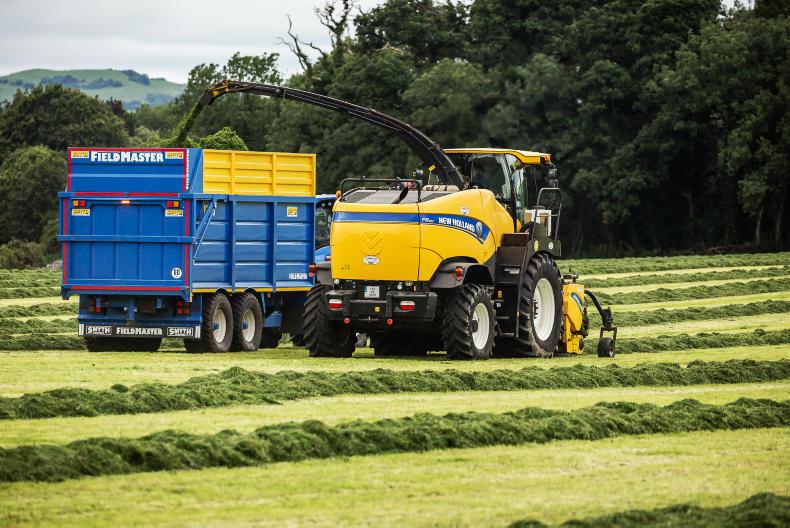
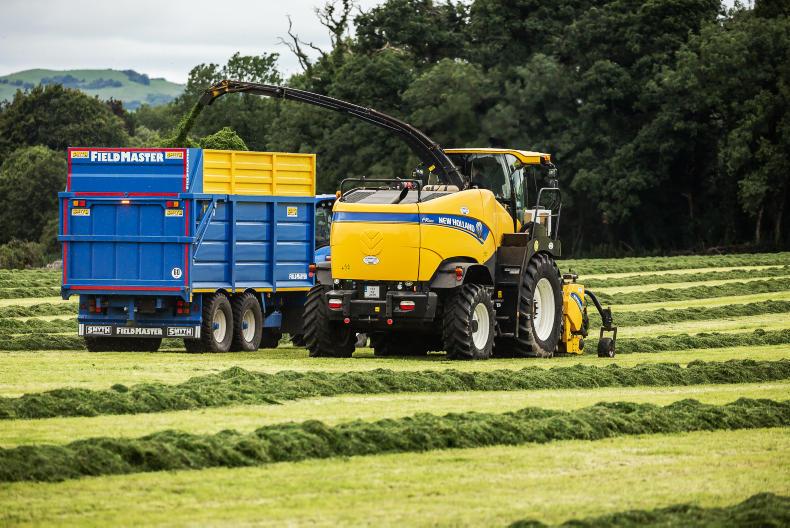
Almost one in 10 dairy farmers are facing a fodder deficit of over 20% and farmers are being urged to take advantage of the current grass growth to take additional cuts of silage.
Figures from Teagasc’s fodder survey in July show that the majority of farmers had a comfortable amount of fodder stored in advance of winter housing.
Concerns
ADVERTISEMENT
However, some concerns were noted, with 9% of dairy farms having a deficit greater than 20% of winter requirements. The average deficit on these farms was 85t of dry matter.
Some 12% of drystock farmers were facing a deficit greater than 20%, with an average deficit of 33t.
Teagasc warned that traditionally farms with over 20% deficit face more problems in periods of extreme weather fluctuation.
“Grass growth is good at present, so farmers should take the opportunity to bolster feed reserves by taking out surplus silage, in line with grass cover targets for this time of year,” Micheal O’Leary of Teagasc PastureBase said.
The survey was completed using information gathered from almost 700 winter fodder budgets for drystock and dairy farmers nationwide.
This content is available to digital subscribers and loyalty code users only. Sign in to your account, use the code or subscribe to get unlimited access.
The reader loyalty code gives you full access to the site from when you enter it until the following Wednesday at 9pm. Find your unique code on the back page of Irish Country Living every week.
CODE ACCEPTED
You have full access to the site until next Wednesday at 9pm.
CODE NOT VALID
Please try again or contact support.
Almost one in 10 dairy farmers are facing a fodder deficit of over 20% and farmers are being urged to take advantage of the current grass growth to take additional cuts of silage.
Figures from Teagasc’s fodder survey in July show that the majority of farmers had a comfortable amount of fodder stored in advance of winter housing.
Concerns
However, some concerns were noted, with 9% of dairy farms having a deficit greater than 20% of winter requirements. The average deficit on these farms was 85t of dry matter.
Some 12% of drystock farmers were facing a deficit greater than 20%, with an average deficit of 33t.
Teagasc warned that traditionally farms with over 20% deficit face more problems in periods of extreme weather fluctuation.
“Grass growth is good at present, so farmers should take the opportunity to bolster feed reserves by taking out surplus silage, in line with grass cover targets for this time of year,” Micheal O’Leary of Teagasc PastureBase said.
The survey was completed using information gathered from almost 700 winter fodder budgets for drystock and dairy farmers nationwide.
If you would like to speak to a member of our team, please call us on 01-4199525.
Link sent to your email address
We have sent an email to your address. Please click on the link in this email to reset your password. If you can't find it in your inbox, please check your spam folder. If you can't find the email, please call us on 01-4199525.
ENTER YOUR LOYALTY CODE:
The reader loyalty code gives you full access to the site from when you enter it until the following Wednesday at 9pm. Find your unique code on the back page of Irish Country Living every week.







SHARING OPTIONS