The latest ICBF evaluation published on 23 September sees some significant improvements implemented to the beef €uro-Star Index. These improvements include:
Applying updated economic values: Teagasc has updated its beef systems model to reflect the future outlook of the beef sector, which provides the economic values for the €uro-Star indexes. The principal changes here are in relation to beef price and the cost of farm inputs (fertiliser, feed, etc).Inclusion of suckler cow/calf weight data: research was undertaken by ICBF to validate on-farm weight data ahead of its inclusion in the evaluations. This research has been completed and weights that satisfy the quality controls are now included.Impact of foreign data: new methods have become available to help with the integration of foreign data into Irish evaluations. As a result, changes have been made to how foreign breeding values impact the €uro-Star Indexes.Updated economic model
The replacement and terminal index euro values are generated by multiplying each of the trait PTA values included in the index (carcase weight, calving difficulty, etc) by their respective economic values and adding them together to get the overall index euro value.
The economic values for each trait are calculated using the recently updated Teagasc Beef Systems model which reflects the future outlook for the sector. The positive outlook for beef price has directly impacted the values on carcase weight and cull cow weight and indirectly impacted the values on traits such as calving difficulty and fertility.
Weight data
ICBF has seen a huge increase in the number of suckler weights recorded annually since the inception of the Beef Environmental Efficiency Programme in 2019. Recording cow and calf weights is now one of the requirements of SCEP. ICBF has been working for some time on validating these on-farm weights. All weights that pass the quality control checks are now included in the evaluations. On-farm suckler cow and calf weights are vital data for genetic evaluations as they directly impact a number of traits in the index such as milk, cow liveweight and carcase weight.
Impact of foreign data
Where foreign animals are used in Ireland (eg imported semen, imported stock bulls), ICBF looks to include foreign breeding values in their evaluations. This is to help increase the reliability of animals and bloodlines for which there may be very little data available in Ireland. These foreign breeding values are available to ICBF through a network of international collaboration with other genetic evaluation centres around the world.
New methods have become available to help with the integration of foreign data into Irish evaluations, which have been implemented. These new methods result in a more reliable €uro-Star Indexes for these animals and their progeny.
The increase in beef price from the Teagasc Beef Systems model has seen an increased emphasis on beef traits within the Replacement Index. The average four- to five-star suckler cow maintains the important maternal traits such as milk and fertility, but now has a higher genetic merit for carcase weight. Table 1 compares the average trait values for four- to five-star cows.
Suckler performance
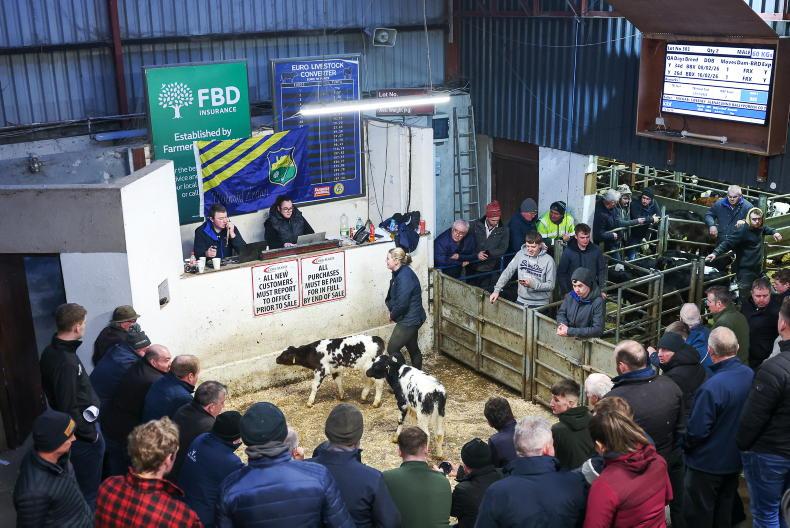
ICBF carried out analysis of mart data for suckler weanlings sold between six to nine months old in Irish marts in 2025. The data looks at the weights and prices of weanlings and the fertility performance of their dams.
It then compares the performance of the dams based on their replacement index star rating in the September evaluation. It uses the example of a 10-cow suckler herd selling all progeny as weanlings to assess the impact of the five-star versus one-star cows on revenue from cattle sales (see table 2). Five-star cows are generating almost €263 more than one-star cows due to a combination of heavier weanlings, higher prices and better fertility.
The average five-star cow is 39 days better than her one-star counterpart on calving interval. This equates to 0.08 more calves/cow/year. Not only are five-star cows producing heavier, higher value weanlings, they are also producing more of them in their lifetime, as they calve down at a younger age and are calving more often.
The updated indexes published on 23 September represent further improvements to the ICBF €uro-Star evaluations. Continued research and collaboration with industry partners such as Teagasc and DAFM will ensure that the indexes remain up to date to reflect input costs and future beef prices. This will ensure that the €uro-Star indexes remain an important tool to help farmers breed the most profitable animals possible.
The latest ICBF evaluation published on 23 September sees some significant improvements implemented to the beef €uro-Star Index. These improvements include:
Applying updated economic values: Teagasc has updated its beef systems model to reflect the future outlook of the beef sector, which provides the economic values for the €uro-Star indexes. The principal changes here are in relation to beef price and the cost of farm inputs (fertiliser, feed, etc).Inclusion of suckler cow/calf weight data: research was undertaken by ICBF to validate on-farm weight data ahead of its inclusion in the evaluations. This research has been completed and weights that satisfy the quality controls are now included.Impact of foreign data: new methods have become available to help with the integration of foreign data into Irish evaluations. As a result, changes have been made to how foreign breeding values impact the €uro-Star Indexes.Updated economic model
The replacement and terminal index euro values are generated by multiplying each of the trait PTA values included in the index (carcase weight, calving difficulty, etc) by their respective economic values and adding them together to get the overall index euro value.
The economic values for each trait are calculated using the recently updated Teagasc Beef Systems model which reflects the future outlook for the sector. The positive outlook for beef price has directly impacted the values on carcase weight and cull cow weight and indirectly impacted the values on traits such as calving difficulty and fertility.
Weight data
ICBF has seen a huge increase in the number of suckler weights recorded annually since the inception of the Beef Environmental Efficiency Programme in 2019. Recording cow and calf weights is now one of the requirements of SCEP. ICBF has been working for some time on validating these on-farm weights. All weights that pass the quality control checks are now included in the evaluations. On-farm suckler cow and calf weights are vital data for genetic evaluations as they directly impact a number of traits in the index such as milk, cow liveweight and carcase weight.
Impact of foreign data
Where foreign animals are used in Ireland (eg imported semen, imported stock bulls), ICBF looks to include foreign breeding values in their evaluations. This is to help increase the reliability of animals and bloodlines for which there may be very little data available in Ireland. These foreign breeding values are available to ICBF through a network of international collaboration with other genetic evaluation centres around the world.
New methods have become available to help with the integration of foreign data into Irish evaluations, which have been implemented. These new methods result in a more reliable €uro-Star Indexes for these animals and their progeny.
The increase in beef price from the Teagasc Beef Systems model has seen an increased emphasis on beef traits within the Replacement Index. The average four- to five-star suckler cow maintains the important maternal traits such as milk and fertility, but now has a higher genetic merit for carcase weight. Table 1 compares the average trait values for four- to five-star cows.
Suckler performance
ICBF carried out analysis of mart data for suckler weanlings sold between six to nine months old in Irish marts in 2025. The data looks at the weights and prices of weanlings and the fertility performance of their dams.
It then compares the performance of the dams based on their replacement index star rating in the September evaluation. It uses the example of a 10-cow suckler herd selling all progeny as weanlings to assess the impact of the five-star versus one-star cows on revenue from cattle sales (see table 2). Five-star cows are generating almost €263 more than one-star cows due to a combination of heavier weanlings, higher prices and better fertility.
The average five-star cow is 39 days better than her one-star counterpart on calving interval. This equates to 0.08 more calves/cow/year. Not only are five-star cows producing heavier, higher value weanlings, they are also producing more of them in their lifetime, as they calve down at a younger age and are calving more often.
The updated indexes published on 23 September represent further improvements to the ICBF €uro-Star evaluations. Continued research and collaboration with industry partners such as Teagasc and DAFM will ensure that the indexes remain up to date to reflect input costs and future beef prices. This will ensure that the €uro-Star indexes remain an important tool to help farmers breed the most profitable animals possible.






SHARING OPTIONS