


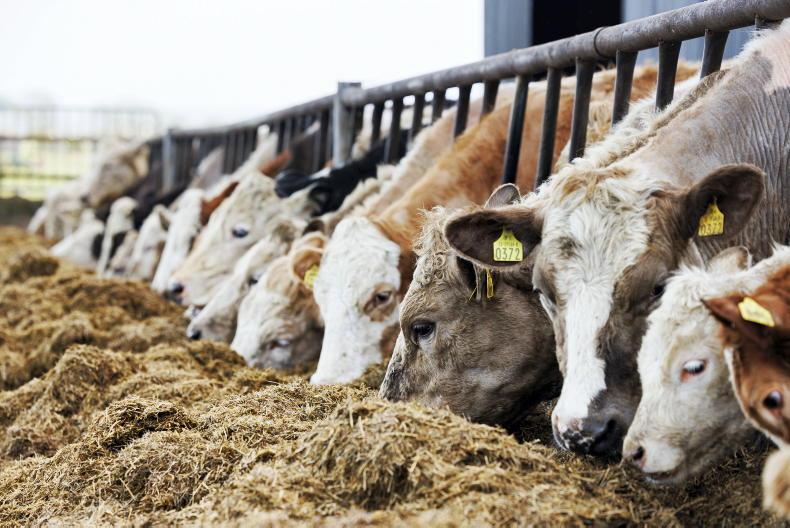
Autumn indoor breeding: breeding is well underway for many autumn calving herds. A cow/heifer that is impregnated today should calve in the first week of September based on a gestation length of 277-283 days.
For SCEP farmers, it’s important to remember that 85% of calves born (based off your yearly reference number) must be sired by an eligible four or five-star bull, be it AI or a stock bull. AI is more commonly used in autumn calving herds than in spring, and some farmers may opt to synchronise cows to reduce heat detection requirements and/or pull later calving cows back in their calving dates.
Cows should be a minimum of 30 days calved, and ideally over 42 days, before synchronisation is attempted. Diet of cows and BCS at breeding time is critical for high conception rates. Unless silage is of exceptional quality, these autumn calving cows should be supplemented with concentrates until breeding is finished.
Floor type is also important, as where slats have a smooth surface with little grip, cows will be less likely to express heats through mounting, while using a stock bull on this type of floor also risks injury of the bull. Cows should be housed on a textured slatted floor, one fitted with rubber matting or a bedded lie back area should be available to cows.
TAMS: the deadline for the current tranche is fast approaching, with tranche 10 closing on Friday 5 December. Farmers should be aware that the scheme closes at 5pm and not midnight.
As Darren Carty outlines on p47, mobile items such as calf feeders and heat detection collars are classed as mobile (other items include mobile handline equipment), and as such can be purchased once a TAMS application has been submitted and still be eligible.
However, caution is urged regarding this, because while the item is still eligible, there is no guarantee from the Department that the farmer will be approved for grant aid and the risk is carried by the farmer. Ranking and selection has also come in to place, and where a farmer is unsuccessful in the first tranche to which they apply, their application moves to the next tranche. Should they be unsuccessful there, their application is automatically rejected.
For this reason, farmers should either wait for full approval before purchasing these mobile items, or purchase them after submitting an application in the knowledge that they may not receive grant aid for it.
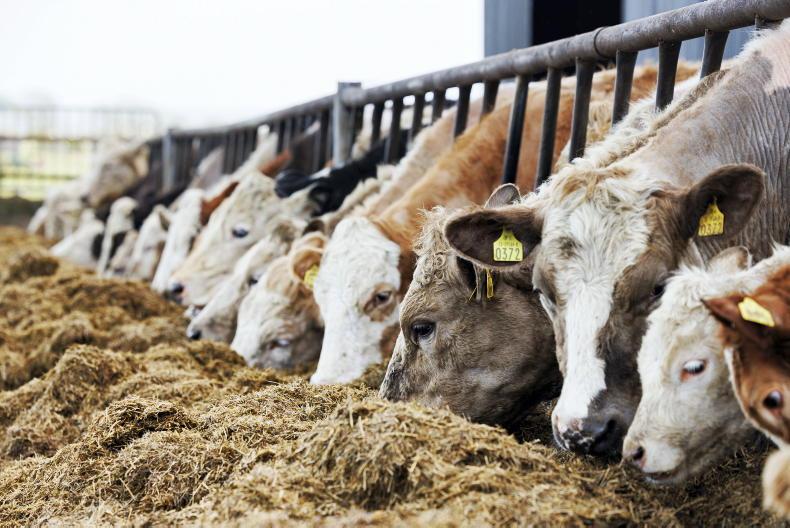
Drafting cattle: many spring 2024-born cattle are now indoors on finishing diets for those looking to slaughter cattle below 24 months. It’s important that regular drafting occurs to ensure cattle do not become over fit and face penalties, with another issue being the additional cost in keeping these cattle an extra one to two weeks.
Cattle should be handled to assess fat cover along the shoulder, loin, tail head and rib. This is particularly important for traditional breeds which can lay on fat cover quickly, with weekly drafting the best way to avoid this.


SHARING OPTIONS