Some farmers have been enquiring of late regarding solar panels being fitted to farm
buildings.
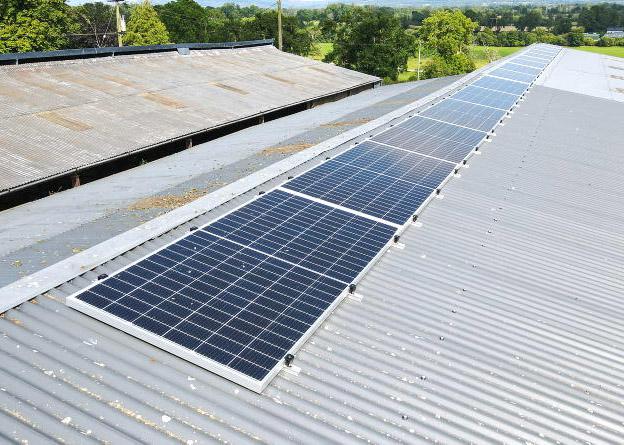
Under the Solar Capital Investment Scheme (SCIS) under TAMS III, farmers can install a maximum of 300m² of solar panels on existing shed roofs, with the maximum amount of panels fitted via a ground mounted system is limited to 75m² where no planning permission is being sought
for.
With a 60% grant rate, a separate pool of money specifically for solar – the scheme is ring-fenced with its own investment ceiling of €90,000 – and the inclusion of farmhouse/dwelling house, it’s a tempting offer
for many.
The specification notes that the installer must use due care and attention to design a suitable and optimum solar PV system (and storage battery system, if included), with some of the following points to be considered before installing panels relevant to farm buildings.
The age, condition, and construction of the roof (for roof-mounted systems), considering the current age, the design life of the roof. The orientation of the building, pitch of the roof, any shading effects from trees, vegetation, adjacent structures. The solar PV module array shall be installed where minimal shading may be encountered for the building/site. Where shading is likely to be encountered, consideration should be given to micro-inverters or optimisers to minimise the energy performance effect from shading. Local conditions including wind, pollution, potential for corrosion from proximity to sea, wildlife (nesting birds and mammals).Roof mounting systems
The roof structure should be checked to ensure it can withstand the imposed loads including that from the solar PV system.
This includes the consideration of wind loads and snow loads as well as the solar PV system.
This should include a site inspection by a competent person. What constitutes a competent person is not included in the specifications.
Where there is any doubt regarding the suitability of the roof structure to withstand the imposed loads, a qualified structural engineer should be consulted.
The installer shall retain documentary evidence of the calculations and assessment undertaken in the design of the mounting system showing that site-specific structural and wind risks have been considered appropriately in the design.
The ventilation requirements of the farm building containing animals shall not be compromised.
Where a solar panel array is mounted on a roof with spaced sheeting, the array shall be mounted such that the outlet ventilation of the building is not undermined in any way: a minimum unobstructed gap of 100mm is required between the lowest part of the underside of the array, including mounting frame, and the top of the ridges of the roof sheeting.
The arrangement of solar panels relative to one another in a panel array requires a minimum unobstructed gap of 50mm between the edges of adjacent solar panels in a (horizontal) row alignment.
A gap is not required between adjacent panels in the vertical alignment (ie where panels relative to another panel are located either above it or below it.
A solar panel array shall not be mounted on or over rooflights (translucent roof sheets).
Roofs where solar panels are being mounted shall have safety cages fitted under roof lights.
This requirement extends to the entire roof, including the slope of the roof with no panel array.
Safety grid installations shall be in accordance with specifications S.101 / S.101C / S.101D where relevant.
Removal of clear lights/translucent sheets from the roof of animal (bovine, sheep, goat and equine) housing is not permitted in the context of installing a solar PV panel array for any reason, including for the purposes of avoiding the requirement to install safety grids; neither is the relocation or re-positioning of rooflights.
However, TAMS aid – under the Farm Safety Capital Investment Scheme (FSCIS) – is available for this work, which carries a grant rate of 60%. It is also something farmers should be mindful of regarding the building non-TAMS-spec sheds currently with the possibility of using these down the line for solar PV panels.
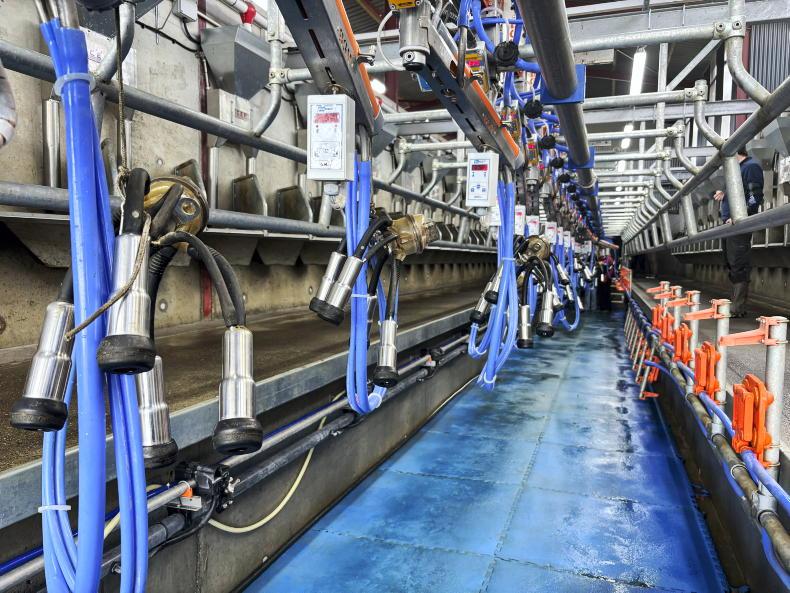
The removal from the roof of, or the relocation on the roof of clear lights/translucent sheets is permitted on non-animal housing farm buildings eg milking parlour, grain store, machinery shed.
Where the roof on which the panels are to be installed is part of a roof complex ie where multiple roofs are joined together, the requirement for installation of safety cages does not apply to the associated roofs.
As is the case with any investment regarding TAMS, no grant aid will be given for works taking place on a farm building with an internal agitation point or sharing an airspace with such a shed.
All internal agitation points and extraction points must be removed from a building where solar panels are being mounted on its roof, or where inverters or batteries or any part of the solar PV installation is to be installed.
This requirement extends to buildings wherein agitation points and/or extraction points are located, which share a common airspace with the building accommodating the solar panels, inverters or batteries, or any part of the solar PV installation.
Some farmers have been enquiring of late regarding solar panels being fitted to farm
buildings.
Under the Solar Capital Investment Scheme (SCIS) under TAMS III, farmers can install a maximum of 300m² of solar panels on existing shed roofs, with the maximum amount of panels fitted via a ground mounted system is limited to 75m² where no planning permission is being sought
for.
With a 60% grant rate, a separate pool of money specifically for solar – the scheme is ring-fenced with its own investment ceiling of €90,000 – and the inclusion of farmhouse/dwelling house, it’s a tempting offer
for many.
The specification notes that the installer must use due care and attention to design a suitable and optimum solar PV system (and storage battery system, if included), with some of the following points to be considered before installing panels relevant to farm buildings.
The age, condition, and construction of the roof (for roof-mounted systems), considering the current age, the design life of the roof. The orientation of the building, pitch of the roof, any shading effects from trees, vegetation, adjacent structures. The solar PV module array shall be installed where minimal shading may be encountered for the building/site. Where shading is likely to be encountered, consideration should be given to micro-inverters or optimisers to minimise the energy performance effect from shading. Local conditions including wind, pollution, potential for corrosion from proximity to sea, wildlife (nesting birds and mammals).Roof mounting systems
The roof structure should be checked to ensure it can withstand the imposed loads including that from the solar PV system.
This includes the consideration of wind loads and snow loads as well as the solar PV system.
This should include a site inspection by a competent person. What constitutes a competent person is not included in the specifications.
Where there is any doubt regarding the suitability of the roof structure to withstand the imposed loads, a qualified structural engineer should be consulted.
The installer shall retain documentary evidence of the calculations and assessment undertaken in the design of the mounting system showing that site-specific structural and wind risks have been considered appropriately in the design.
The ventilation requirements of the farm building containing animals shall not be compromised.
Where a solar panel array is mounted on a roof with spaced sheeting, the array shall be mounted such that the outlet ventilation of the building is not undermined in any way: a minimum unobstructed gap of 100mm is required between the lowest part of the underside of the array, including mounting frame, and the top of the ridges of the roof sheeting.
The arrangement of solar panels relative to one another in a panel array requires a minimum unobstructed gap of 50mm between the edges of adjacent solar panels in a (horizontal) row alignment.
A gap is not required between adjacent panels in the vertical alignment (ie where panels relative to another panel are located either above it or below it.
A solar panel array shall not be mounted on or over rooflights (translucent roof sheets).
Roofs where solar panels are being mounted shall have safety cages fitted under roof lights.
This requirement extends to the entire roof, including the slope of the roof with no panel array.
Safety grid installations shall be in accordance with specifications S.101 / S.101C / S.101D where relevant.
Removal of clear lights/translucent sheets from the roof of animal (bovine, sheep, goat and equine) housing is not permitted in the context of installing a solar PV panel array for any reason, including for the purposes of avoiding the requirement to install safety grids; neither is the relocation or re-positioning of rooflights.
However, TAMS aid – under the Farm Safety Capital Investment Scheme (FSCIS) – is available for this work, which carries a grant rate of 60%. It is also something farmers should be mindful of regarding the building non-TAMS-spec sheds currently with the possibility of using these down the line for solar PV panels.
The removal from the roof of, or the relocation on the roof of clear lights/translucent sheets is permitted on non-animal housing farm buildings eg milking parlour, grain store, machinery shed.
Where the roof on which the panels are to be installed is part of a roof complex ie where multiple roofs are joined together, the requirement for installation of safety cages does not apply to the associated roofs.
As is the case with any investment regarding TAMS, no grant aid will be given for works taking place on a farm building with an internal agitation point or sharing an airspace with such a shed.
All internal agitation points and extraction points must be removed from a building where solar panels are being mounted on its roof, or where inverters or batteries or any part of the solar PV installation is to be installed.
This requirement extends to buildings wherein agitation points and/or extraction points are located, which share a common airspace with the building accommodating the solar panels, inverters or batteries, or any part of the solar PV installation.







SHARING OPTIONS