


Fodder supplies: ground conditions are less than ideal. Many farmers who would normally have cattle out this time of the year are unable to travel ground with slurry using umbilical systems, never mind get cattle out.
A quick fodder assessment should be completed to see how the farm is looking for the remainder of the spring and decisions made based on this. Where there is ample fodder, then slurry will become the big headache, but that to can be managed.
While there are only a few short weeks left in spring, any deficit in fodder still needs to be addressed sooner rather than later to limit the impact. Fodder can be purchased in, but doing so leaves you exposed to bringing in sub-standard feed into the yard, and at a price that is not very cost-effective.
A better option would be to increase concentrate feed levels in finishing stock, which will lead to a reduction in their fodder intake in the immediate future as well as hopefully getting these cattle away quicker.
Forward store cattle can also be sold in the live ring.
On-off grazing is a bit of a headache with beef stock, but where there are ample grass supplies and limited silage reserves, then it might be one worth exploring.
Calf health: the week ahead is promised to remain wet, but warmer than average for the time of year. With very few cows with their calves turned out, it could spell a pinch point for disease pressure on housing.
Calves should be housed on a deep, clean straw bed, be it in a loose pen with their dams or in a creep area. Slats or rubber matting on pens is not sufficient for young calves to keep themselves warm. Pens should be topped up with bedding regularly and cleaned out when required, disinfecting pens thoroughly afterwards.
Pneumonia in young calves is obviously a big risk in warmer, wet weather. Calves can be vaccinated at a young age with most of the vaccines on offer, so if there is poor ventilation in the shed then this option should be explored, with a rectifying of the ventilation being corrected during the summer months. As always, your vet is in the best position to advise on this.
Scour is also the big worry, with hygiene and ample straw two of the soundest forms of prevention. The above diseases can often be caused by a lack of colostrum, or poor-quality colostrum fed at birth, so while the calving season continues, ensure that standards are not let slip.
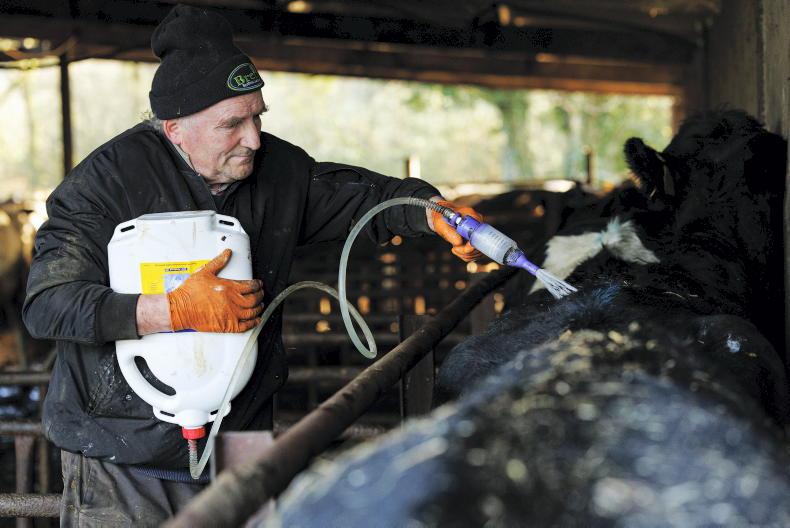
Lice: lice seem to be an increasing problem in the last couple of weeks, even in cattle that were treated at housing time. Use of lime is not recommended in treating lice, and can actually have a harmful effect on animals if it enters the eyes.
Use of a pour-on product, and perhaps a re-clipping along the back, will sort out any lice that have hatched since the last application. Be cautious regarding withdrawal periods and cattle that will be sold/ slaughtered in the coming weeks.



SHARING OPTIONS