


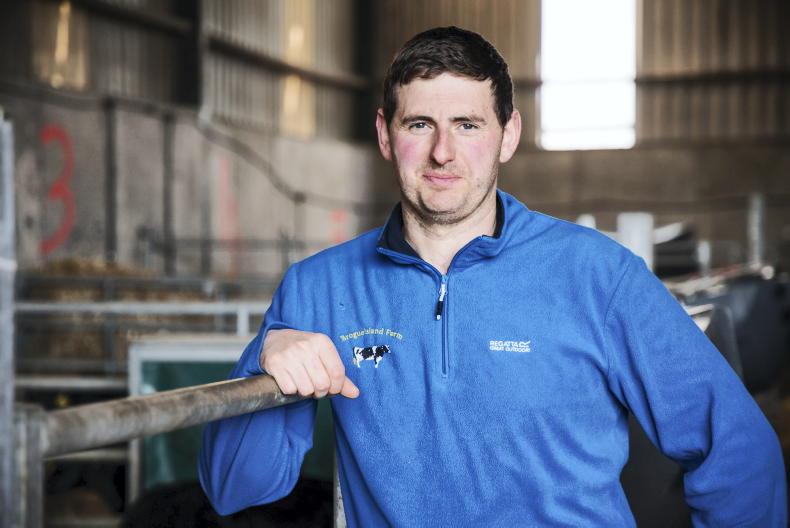
Calving is nearly behind us here in Abbeyleix, with just two cows left to go, and if all goes to plan we should be wrapped up by the end of next week. All things considered, it’s been one of the smoothest calving seasons we’ve had.
It’s the first year we’ve had to keep every calf, and thankfully they thrived. We’ve had no real setbacks, which is something I don’t take lightly. A lot of that comes down to getting the basics right – good transition milk management, plenty of clean straw, precision microbes and sticking closely to our routine with calf health. The attention to detail has paid off, and it’s showing in the strength and consistency of the calves on the ground.
At the minute, we have around 60 calves out grazing, and they’re due to be weaned by the end of the month. If we could get a settled spell of weather, I’d be hoping to get another 20 out to grass over the next week. That would leave just three pens indoors, which would be a big relief, particularly from a bedding and labour point of view. Every pen less inside at this time of year makes a difference.
On the herd health side, we vaccinated for BVD and lepto last week, with the second dose of the bluetongue vaccine due next week. It’s all part of trying to stay ahead of problems rather than reacting to them. Breeding is fast approaching as well, kicking off on 27 April.
To be honest, it feels like it’s come around very quickly this year. I’m later than I’d like to be in terms of selecting bulls, which isn’t ideal, but between everything else going on it’s been hard to get the time to sit down and focus on it properly.
The workload hasn’t been helped by the fact that our full-time worker moved on about four weeks ago. Since then, it’s been a constant juggling act between the farm, the tractor work, tractor sales, paperwork and family life. There’s very little slack in the system at the minute, and jobs that would normally be straightforward are taking that bit more planning.
Grass has been performing reasonably well up to now. We started the second rotation last Friday, grazing covers of 1,400-1,600kg DM/ha. Average farm cover was sitting at 777kg DM/ha last week, with growth rates around 50kg DM/ha in the first part of April. That said, the drop in temperature lately is noticeable, and I’d say growth has tailed off since. If we don’t get a lift in conditions soon, I could see us back feeding silage to keep things balanced.
I noticed the fuel gauge sitting lower than it should have been. It quickly became clear that the diesel tank had been drained
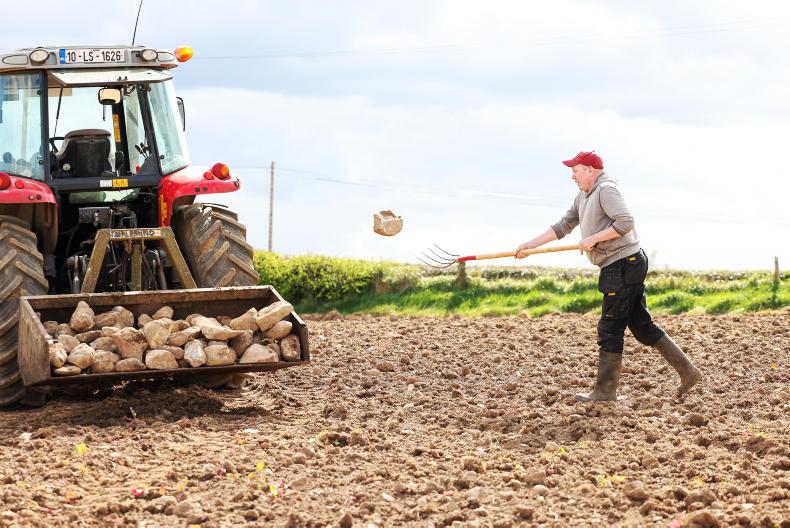
On the tillage side, it’s been a testing spell trying to get spring barley sown for Dad. He managed to get two fields done last week in what could only be described as borderline conditions, bringing him to about halfway. The plan had been to push on quickly with the rest, but the weather hasn’t played ball since, and it doesn’t look like it will improve anytime soon.
To make matters worse, we had a very frustrating incident earlier this week. Dad had left a few tractors down at the land, expecting to be back within a couple of days. When we returned to bring them home, one wouldn’t start.
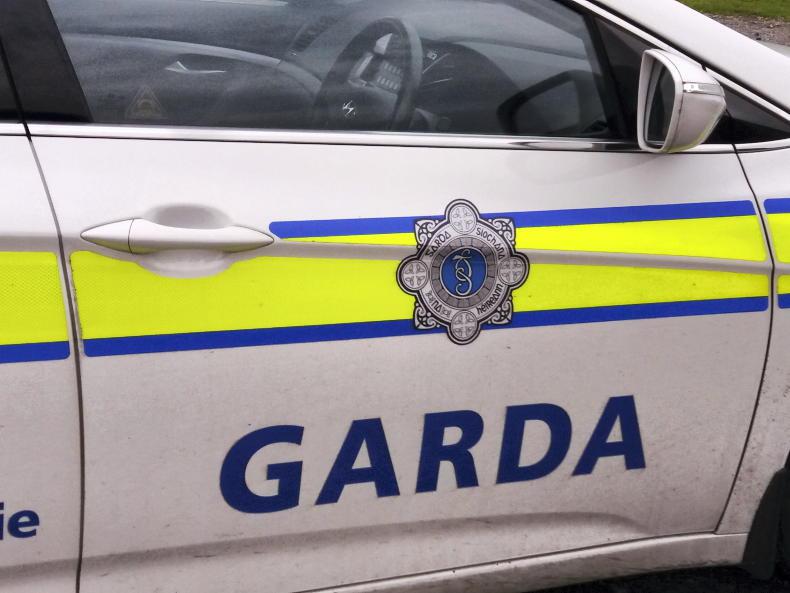
At first, I assumed something had been left switched on and the battery had drained. We went back for jump leads, but when we got power into it again, I noticed the fuel gauge sitting lower than it should have been. It quickly became clear that the diesel tank had been drained.
It’s hard to understand that kind of behaviour. Everyone knows costs are tight and pressures are there, but stealing fuel from machinery is inexcusable. In many ways, it was the time lost that stung the most. What should have been a quick 15-minute job turned into a drawn-out ordeal of running back and forth for leads and diesel, losing valuable time in an already busy period.



SHARING OPTIONS