On reading Matt Dempsey’s column (TB control – more of the same) in the Irish Farmers Journal of 6 December, one has to ask the question, why more of the same? The eradication scheme has been mired in a culture of recrimination and blame, so in order to make progress, I believe that all groups involved ie, farmers, vets, the TB Eradication division, farming press and Government need to take stock and work together on the known facts.
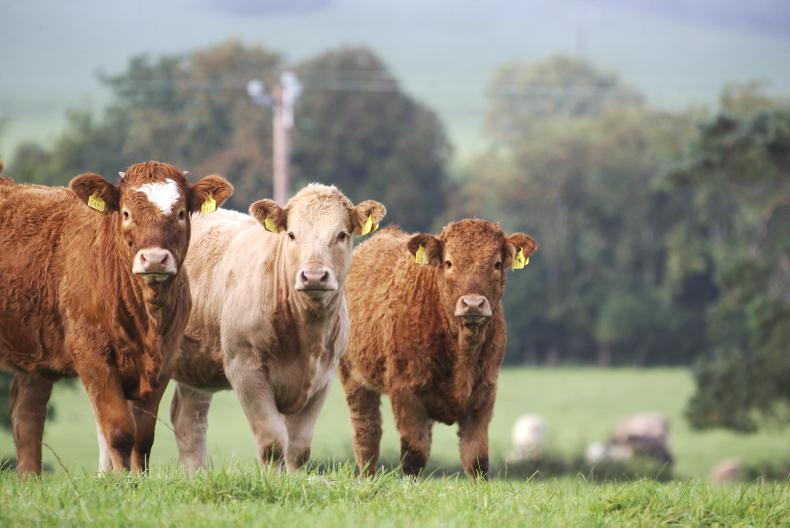
The TB bug has been around for a very long time and is unlikely to change, however farming practice has radically changed since the abolition of milk quotas. In the new environment, there is massive capacity for the bug to do more harm. It is no secret that dairy expansion has led to a huge amount of fragmentation of farms, with farmers buying or leasing parcels of land often miles away from the home holding. Animals are on these land parcels mainly during the grazing season and brought to the home farm for winter housing.
Investigation
On a recent BVD investigation by this practice, such a farmer had so many parcels of land that in total he had ninety-eight neighbouring farms. Let one or two of these be infected with TB, look at what an effect it can have when the animals are housed in a few big sheds for winter.
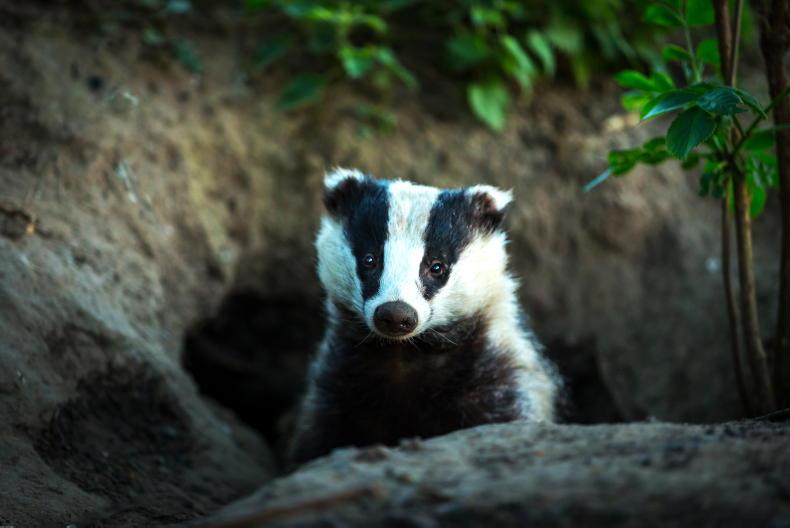
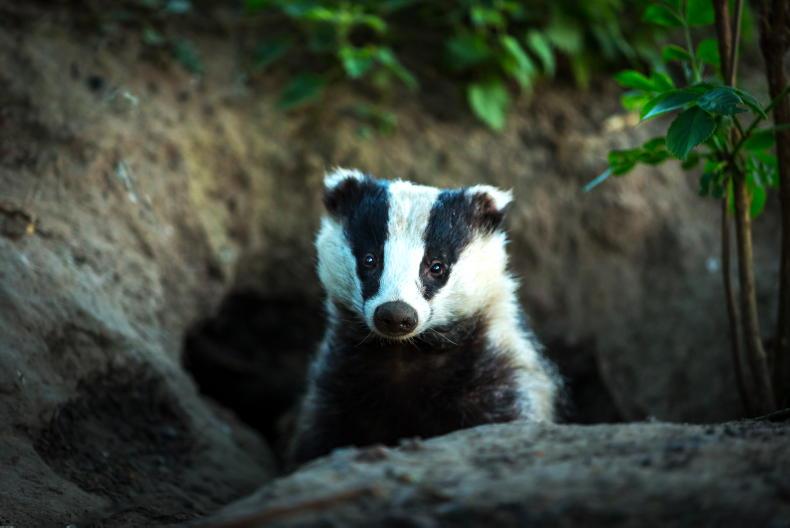
The main method of TB spread is bovine to bovine in the air. Yes, badgers have a role and also deer. This was brought home to us in this area in a big way when the M7-8 motorway was being constructed some years ago. The badger setts were disturbed and very many farms along the route were infected with TB. Zero grazing machines also present a huge risk insofar as if they pass close to a badger sett and pick up the waste from the badger latrines, it can and has led to very large TB breakdowns.
The retention of older cows on farms that have had a TB breakdown is also a huge risk. Older cows do not have as robust immune systems as younger animals and are less likely to react positively to the test, thus can be the Trojan horse.
We are all in this together and in order to make progress, we must stick with the facts. There are people out there who deny that TB exists, simply because a reactor they had did not kill out with lesions. That does not mean that the animal was not infected.
Infection
Lesions take months to develop after infection.
Another huge problem faced by vets is pressure being applied by herdowners to pass problem animals. This has led in many cases to young vets leaving rural practice altogether, having given 24/7 service to their clients, to pursue careers with small animals or industry. This pressure is often put on practice owners threatened with the loss of a big client.
The owner of a herd that had major breakdown I dealt with left this practice as he had threatened but that was not the end of their TB problem.
What we really need is a change of mindset in all involved. It is of utmost importance that each farmer looks after their enterprise from a TB point of view, just as he uses vaccines and anthelmintics for other diseases.
This can be done by keeping a closed herd if possible, or if he must purchase replacement stock, then buy from herds that have a good TB history.
If he is notified of TB in a neighbouring herd, then avoid putting animals alongside that herd, or if that is impossible then run an electric fence ten yards from the boundary. Nowadays it is always possible to use the intervening grass by wrapping it.
Every farmer should go around their farm to check for badger setts and if found, fence off with an electric fence.
Computerisation of the whole system has greatly enhanced traceability and has made tag switching impossible (Tag switching was a huge problem in the days when headage payments were in vogue and contributed significantly to TB spread.).
Brucellosis was successfully eradicated from this country by a combination of vaccination originally and blood testing. However there are two main differences:
1. Farmers knew when they had the disease as there were abortions and 2. the brucellosis germ was not harboured by wildlife.In the case of TB, there is no licensed vaccine and the germ is in badgers and deer.
However not all badgers or deer are infected therefore other than a total cull which would be impossible anyway, local culling is of limited value. However I do believe that in severely infected areas, there has to be a more effective way of culling than just snaring them.
That has to be a matter for Government. It is very difficult for farmers with high levels of TB breakdowns due to high badger populations, to accept the status quo.
The farming press has also a major part to play, while pointing out deficiencies as they might see it, they should lead in knowledge transfer of the facts involved (as they do so well in many areas) and not be tempted to engage in populous rhetoric which only leads to cynicism.
Hazard
In short, TB is a major hazard to livestock farmers, they should take all precautions necessary to try to prevent it getting into their herds and if they do have reactors, then try to have them removed as quickly as possible. The TB eradication division administers the scheme and the main shortcoming I see therein is sometimes the length of time it takes, for logistical reasons, to remove reactors. Vets have a duty to do the testing to as high a standard as possible and should not make exceptions on any account. Problem animals left on a farm are only spreading infection and I would beg farmers not to pressurise the vet into compromise.
On reading Matt Dempsey’s column (TB control – more of the same) in the Irish Farmers Journal of 6 December, one has to ask the question, why more of the same? The eradication scheme has been mired in a culture of recrimination and blame, so in order to make progress, I believe that all groups involved ie, farmers, vets, the TB Eradication division, farming press and Government need to take stock and work together on the known facts.
The TB bug has been around for a very long time and is unlikely to change, however farming practice has radically changed since the abolition of milk quotas. In the new environment, there is massive capacity for the bug to do more harm. It is no secret that dairy expansion has led to a huge amount of fragmentation of farms, with farmers buying or leasing parcels of land often miles away from the home holding. Animals are on these land parcels mainly during the grazing season and brought to the home farm for winter housing.
Investigation
On a recent BVD investigation by this practice, such a farmer had so many parcels of land that in total he had ninety-eight neighbouring farms. Let one or two of these be infected with TB, look at what an effect it can have when the animals are housed in a few big sheds for winter.
The main method of TB spread is bovine to bovine in the air. Yes, badgers have a role and also deer. This was brought home to us in this area in a big way when the M7-8 motorway was being constructed some years ago. The badger setts were disturbed and very many farms along the route were infected with TB. Zero grazing machines also present a huge risk insofar as if they pass close to a badger sett and pick up the waste from the badger latrines, it can and has led to very large TB breakdowns.
The retention of older cows on farms that have had a TB breakdown is also a huge risk. Older cows do not have as robust immune systems as younger animals and are less likely to react positively to the test, thus can be the Trojan horse.
We are all in this together and in order to make progress, we must stick with the facts. There are people out there who deny that TB exists, simply because a reactor they had did not kill out with lesions. That does not mean that the animal was not infected.
Infection
Lesions take months to develop after infection.
Another huge problem faced by vets is pressure being applied by herdowners to pass problem animals. This has led in many cases to young vets leaving rural practice altogether, having given 24/7 service to their clients, to pursue careers with small animals or industry. This pressure is often put on practice owners threatened with the loss of a big client.
The owner of a herd that had major breakdown I dealt with left this practice as he had threatened but that was not the end of their TB problem.
What we really need is a change of mindset in all involved. It is of utmost importance that each farmer looks after their enterprise from a TB point of view, just as he uses vaccines and anthelmintics for other diseases.
This can be done by keeping a closed herd if possible, or if he must purchase replacement stock, then buy from herds that have a good TB history.
If he is notified of TB in a neighbouring herd, then avoid putting animals alongside that herd, or if that is impossible then run an electric fence ten yards from the boundary. Nowadays it is always possible to use the intervening grass by wrapping it.
Every farmer should go around their farm to check for badger setts and if found, fence off with an electric fence.
Computerisation of the whole system has greatly enhanced traceability and has made tag switching impossible (Tag switching was a huge problem in the days when headage payments were in vogue and contributed significantly to TB spread.).
Brucellosis was successfully eradicated from this country by a combination of vaccination originally and blood testing. However there are two main differences:
1. Farmers knew when they had the disease as there were abortions and 2. the brucellosis germ was not harboured by wildlife.In the case of TB, there is no licensed vaccine and the germ is in badgers and deer.
However not all badgers or deer are infected therefore other than a total cull which would be impossible anyway, local culling is of limited value. However I do believe that in severely infected areas, there has to be a more effective way of culling than just snaring them.
That has to be a matter for Government. It is very difficult for farmers with high levels of TB breakdowns due to high badger populations, to accept the status quo.
The farming press has also a major part to play, while pointing out deficiencies as they might see it, they should lead in knowledge transfer of the facts involved (as they do so well in many areas) and not be tempted to engage in populous rhetoric which only leads to cynicism.
Hazard
In short, TB is a major hazard to livestock farmers, they should take all precautions necessary to try to prevent it getting into their herds and if they do have reactors, then try to have them removed as quickly as possible. The TB eradication division administers the scheme and the main shortcoming I see therein is sometimes the length of time it takes, for logistical reasons, to remove reactors. Vets have a duty to do the testing to as high a standard as possible and should not make exceptions on any account. Problem animals left on a farm are only spreading infection and I would beg farmers not to pressurise the vet into compromise.






SHARING OPTIONS