It’s been a difficult start to 2026 in terms of weather, with very high levels of rainfall right across the country. Taking a look at rainfall figures for the first two months of the year shows much higher rainfall in some areas when compared to the national average.
Ballyhaise in Co Cavan recorded 228.6mm of rain for January and February 2026 compared to the long-term average rainfall figure of 178.4mm. In the southeast it’s a similar story with 326mm of rain recorded for the first two months of 2026 in Johnstown Castle in Co Wexford, compared to the long-term average of 179mm.
Grange in Co Meath recorded 246mm of rain for January and February 2026 compared to the long-term average of 140.7mm.
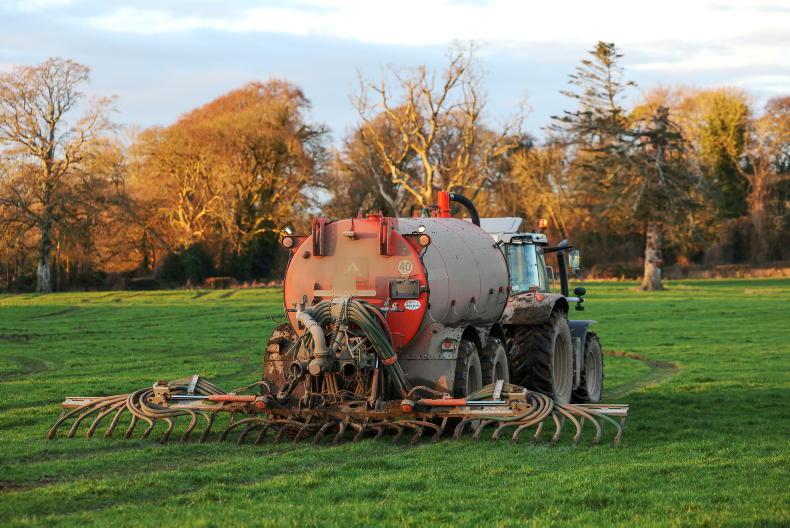
The wet ground conditions mean farmers have been unable to get out with slurry on many farms which has added to the pressure of an already busy spring-calving and lambing period.
Many farmers in the north and west are well prepared for long winters and delayed turnout, whereas farmers in the south and east are normally able to turn out cattle quite early.
February-calving farms are coming under pressure where housing facilities are tight and where cows and calves are usually turned out to grass at calving.
Numbers building inside
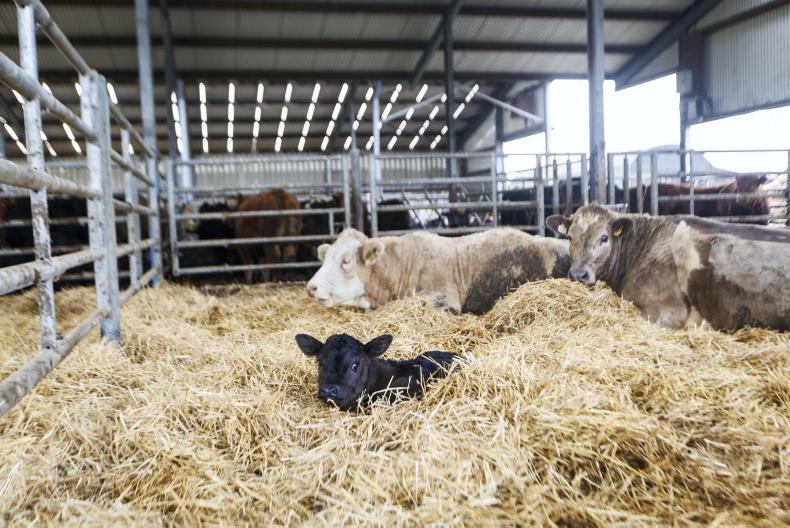
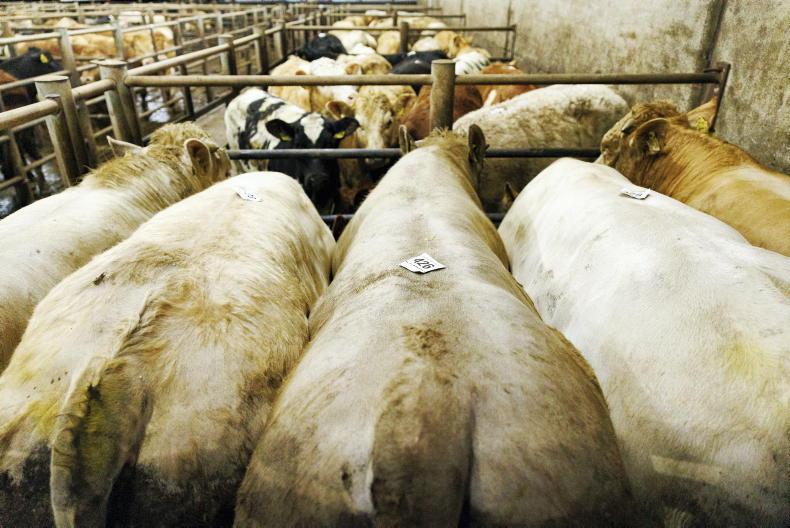
With cows calving and having to be held indoors as opposed to turning outdoors, this has led to a lot of extra pressure on bedded pens around yards, with calving sheds becoming particularly backed up.
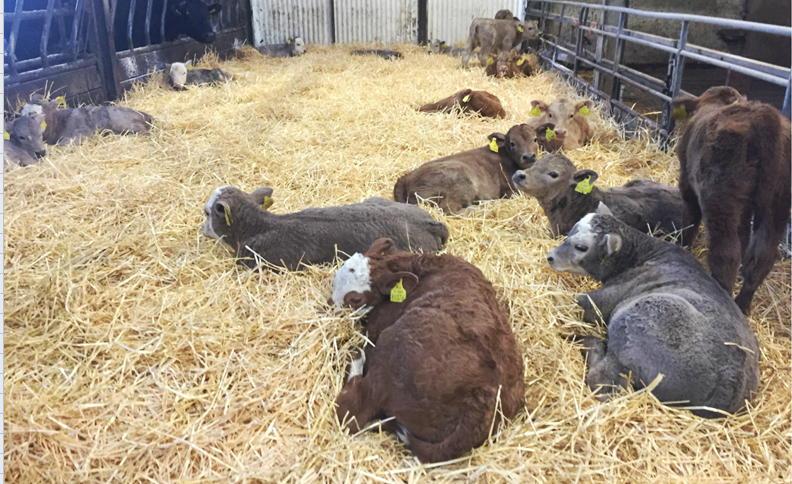
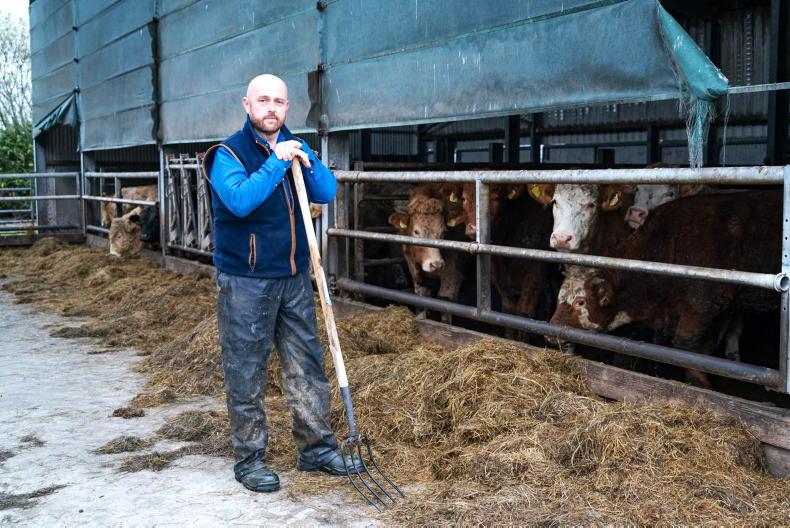
With newborn calves it is especially important that they have a clean, dry bed and adequate straw is a must in calving pens and loose pens that are housing cows and calves. On some farms where turnout has been delayed, slatted pens have been bedded to make temporary creep areas for young calves.
It is important that calving pens and loose sheds are cleaned out on a regular basis and disinfected where possible to avoid the build-up of bacteria, which could result in a scour outbreak.
\ Donal O' Leary
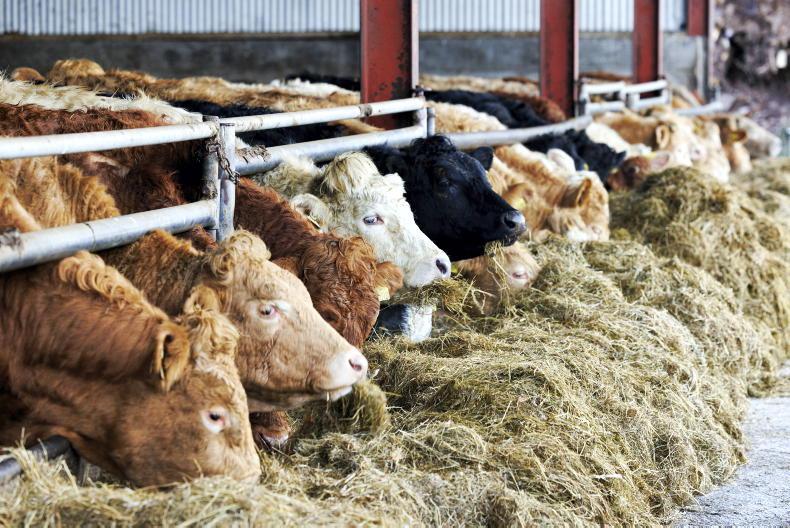
When sheds get crowded, stocking rates increase and so too does disease pressure. Make sure all sheds are well ventilated and try to eliminate any low-level draughts that could increase pneumonia levels.
Make sure to herd calves on a regular basis and make sure all calves are sucking and keep a close eye for navel infections
In terms of coping with tanks filling up, some farmers have exported slurry to neighbours’ tanks who have reduced stock levels.
Try and hold slurry until conditions allow for spreading and you maximise the fertiliser value of your slurry.
On-off grazing
While dairy farms around the country can operate an on-off grazing system quite successfully, this can be quite tricky to operate on beef farms spring-calving with young calves.
On some autumn-calving farms, this can be easier to operate where calves have access to one paddock close to the shed and cows are walked to another paddock for grazing during the day.
Cows should be fed at night and let out to graze hungry the following morning to avoid excessive walking and damage to paddocks.
\ Odhran Ducie
Cows should be given access to small areas of grass and a back fence used where possible to avoid damage to paddocks. The secret with spring grazing is hitting targets like having 40% of paddocks grazed by 17 March, but this may need to be tailored to your own farm situation. This means that grass that has been grazed has been kick started to grow again.
Sacrifice paddock
Where cows and calves have had to be turned out, there is sometimes an option to feed silage via a silage feeding trailer or round feeder and curtail the cows to one dry field or paddock on the farm. It’s important that this paddock has good shelter and that calves have a dry area to lie.
It is extremely important that cows are not left hungry during the weeks immediately after calving. This can have a detrimental effect on milk yield and if too much condition is lost during this time, it can have a negative effect on the subsequent breeding performance of the herd.
Where silage quality is very poor, concentrates may also need to be fed along with 80g of cal-mag/day to maintain body condition and avoid cows getting grass tetany.
Concentrate amounts will depend on silage quality but will vary between 2kg and 4kg per head per day.
Nitrogen
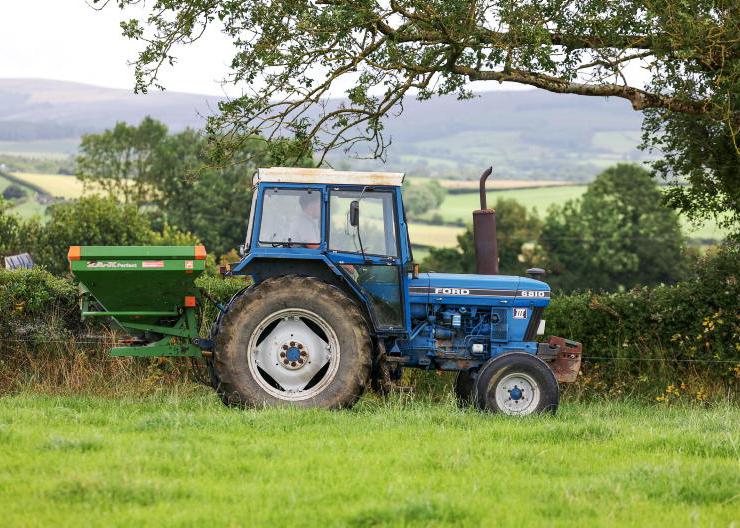
Once ground conditions allow, spreading fertiliser should be one of the first jobs on the list regardless.
Grass won’t grow to its full potential unless nitrogen is spread and ground has already been lost due to difficult ground conditions.
Fertiliser should be ordered and in the yard, ready to spread, the minute ground conditions allow. Typical application rates should be 23 units/acre protected urea or 1 bag of CAN/acre.
Where there are issues with low phosphorus and potassium levels, compound fertiliser like 18:6:12 is a better option.
Make sure you check your phosphorus allowance before you spread any fertiliser with phosphorus in it.
\ Claire Nash
It’s been a difficult start to 2026 in terms of weather, with very high levels of rainfall right across the country. Taking a look at rainfall figures for the first two months of the year shows much higher rainfall in some areas when compared to the national average.
Ballyhaise in Co Cavan recorded 228.6mm of rain for January and February 2026 compared to the long-term average rainfall figure of 178.4mm. In the southeast it’s a similar story with 326mm of rain recorded for the first two months of 2026 in Johnstown Castle in Co Wexford, compared to the long-term average of 179mm.
Grange in Co Meath recorded 246mm of rain for January and February 2026 compared to the long-term average of 140.7mm.
The wet ground conditions mean farmers have been unable to get out with slurry on many farms which has added to the pressure of an already busy spring-calving and lambing period.
Many farmers in the north and west are well prepared for long winters and delayed turnout, whereas farmers in the south and east are normally able to turn out cattle quite early.
February-calving farms are coming under pressure where housing facilities are tight and where cows and calves are usually turned out to grass at calving.
Numbers building inside
With cows calving and having to be held indoors as opposed to turning outdoors, this has led to a lot of extra pressure on bedded pens around yards, with calving sheds becoming particularly backed up.
With newborn calves it is especially important that they have a clean, dry bed and adequate straw is a must in calving pens and loose pens that are housing cows and calves. On some farms where turnout has been delayed, slatted pens have been bedded to make temporary creep areas for young calves.
It is important that calving pens and loose sheds are cleaned out on a regular basis and disinfected where possible to avoid the build-up of bacteria, which could result in a scour outbreak.
\ Donal O' Leary
When sheds get crowded, stocking rates increase and so too does disease pressure. Make sure all sheds are well ventilated and try to eliminate any low-level draughts that could increase pneumonia levels.
Make sure to herd calves on a regular basis and make sure all calves are sucking and keep a close eye for navel infections
In terms of coping with tanks filling up, some farmers have exported slurry to neighbours’ tanks who have reduced stock levels.
Try and hold slurry until conditions allow for spreading and you maximise the fertiliser value of your slurry.
On-off grazing
While dairy farms around the country can operate an on-off grazing system quite successfully, this can be quite tricky to operate on beef farms spring-calving with young calves.
On some autumn-calving farms, this can be easier to operate where calves have access to one paddock close to the shed and cows are walked to another paddock for grazing during the day.
Cows should be fed at night and let out to graze hungry the following morning to avoid excessive walking and damage to paddocks.
\ Odhran Ducie
Cows should be given access to small areas of grass and a back fence used where possible to avoid damage to paddocks. The secret with spring grazing is hitting targets like having 40% of paddocks grazed by 17 March, but this may need to be tailored to your own farm situation. This means that grass that has been grazed has been kick started to grow again.
Sacrifice paddock
Where cows and calves have had to be turned out, there is sometimes an option to feed silage via a silage feeding trailer or round feeder and curtail the cows to one dry field or paddock on the farm. It’s important that this paddock has good shelter and that calves have a dry area to lie.
It is extremely important that cows are not left hungry during the weeks immediately after calving. This can have a detrimental effect on milk yield and if too much condition is lost during this time, it can have a negative effect on the subsequent breeding performance of the herd.
Where silage quality is very poor, concentrates may also need to be fed along with 80g of cal-mag/day to maintain body condition and avoid cows getting grass tetany.
Concentrate amounts will depend on silage quality but will vary between 2kg and 4kg per head per day.
Nitrogen
Once ground conditions allow, spreading fertiliser should be one of the first jobs on the list regardless.
Grass won’t grow to its full potential unless nitrogen is spread and ground has already been lost due to difficult ground conditions.
Fertiliser should be ordered and in the yard, ready to spread, the minute ground conditions allow. Typical application rates should be 23 units/acre protected urea or 1 bag of CAN/acre.
Where there are issues with low phosphorus and potassium levels, compound fertiliser like 18:6:12 is a better option.
Make sure you check your phosphorus allowance before you spread any fertiliser with phosphorus in it.
\ Claire Nash






SHARING OPTIONS