


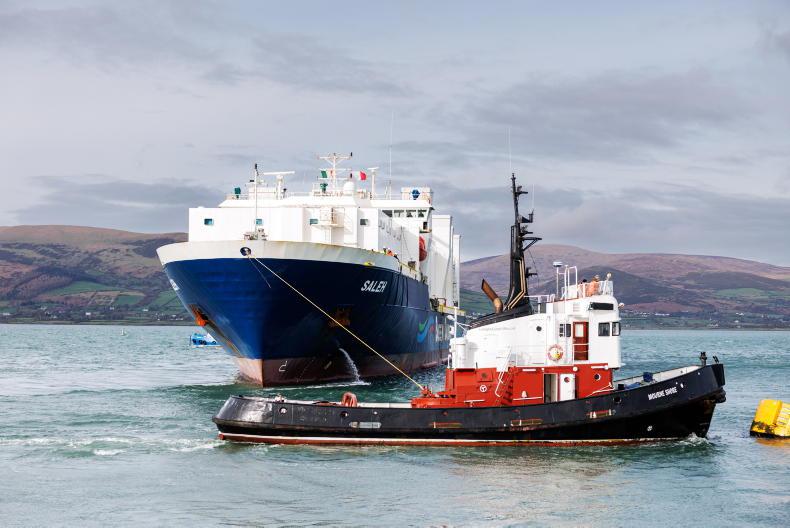
Overall cattle exports are 43% below the same time period in 2025. Challenging weather conditions early on, along with the impact of bluetongue, impacted all classes of stock.
Bluetongue’s impact saw sales to two of the main outlets for Irish cattle, Poland and Northern Ireland, closed off and while the market across the border has reopened, trade is back 55% compared to the same time last year.
Following the first full week’s trading in March, 6,201 head of cattle were purchased by Northern buyers. This is significantly below the 13,883 head for the corresponding time last year.
Improvements
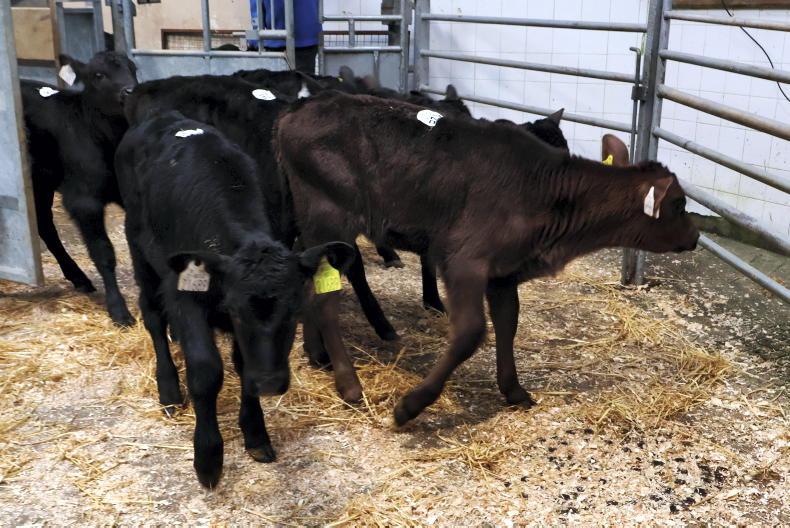
Calf exports have improved substantially through February and early March.
The number of calves that have been moved from the country is 36% lower than the same period in 2025.
According to figures from Bord Bia, 34,537 head have been sold to markets outside the State in the first 11 weeks trading of the year compared to 53,904 head for the corresponding period last spring.
After a sluggish start, largely down to bad weather, shippers ramped up their activity in recent weeks with 33,925 head exported in the four weeks running up to 10 March.
Compared to calves, all other classes of stock are back significantly.
Stores are back 67% and adult cattle 47%.
Weanling numbers were standing at 6,370 compared to 13,683 for the same time in 2025, a reduction of 53%.
Ferry delays, more than anything else, have been the main issue this year according to Bord Bia’s sheepmeat and livestock sector manager, Seamus McMenamin.
“Weather impacted sailings and we have seen some recovery in calf numbers on the continent following bluetongue too,” McMenamin said.
“A weakening of the beef market in Spain in particular at the moment means producers there are opting to hold onto cattle rather than kill them and this is creating a backlog down the system so some of them are slower to restock now.”



SHARING OPTIONS