


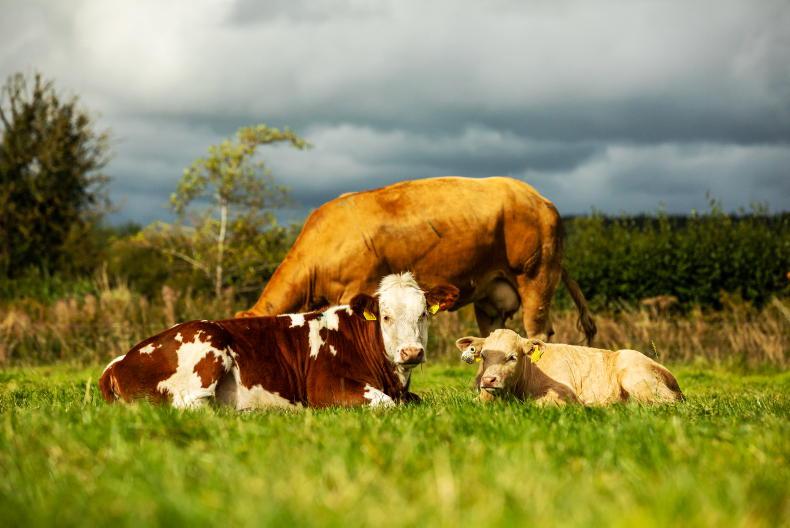
The European Commission’s 2035 agricultural outlook report expects that EU countries will be producing 9.2% or 615,000t less beef in a decade’s time, when there will be almost 3m fewer cows across the EU.
The outlook report forecasts a decline of 860,000 suckler cows across the EU and the loss of 2m dairy cows, stating that coupled beef income supports and favourable market prices could only “slow down this declining trend”.
This is a starker 2035 forecast for the EU’s weakening beef sector than had been painted in the Commission’s outlook report just one year ago.
Then, it had been anticipated that EU suckler numbers would still stand 9.5m cows strong in 2035 and that beef output would not fall below 6.3m tonnes of beef. The recently updated figures are a respective 9.2m cows and just 6.1m tonnes of beef.
The updated report expects beef prices to settle around the €7/kg mark over the next decade, attracting a 1% increase in beef imports into the EU.
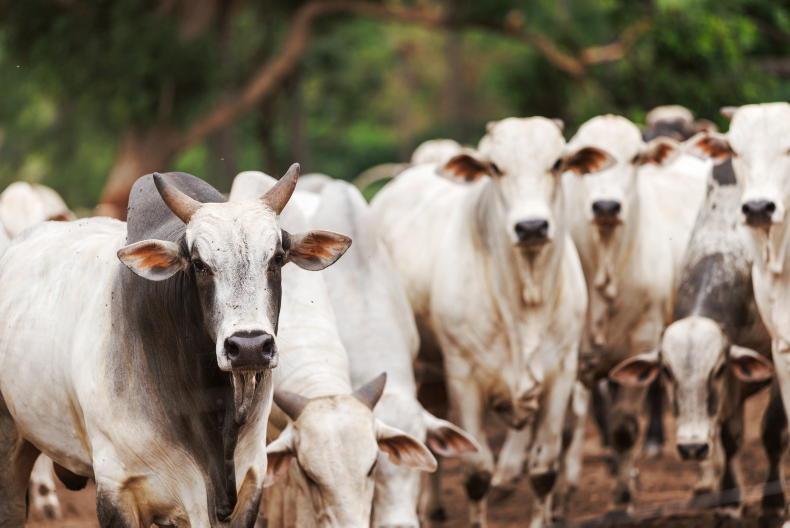
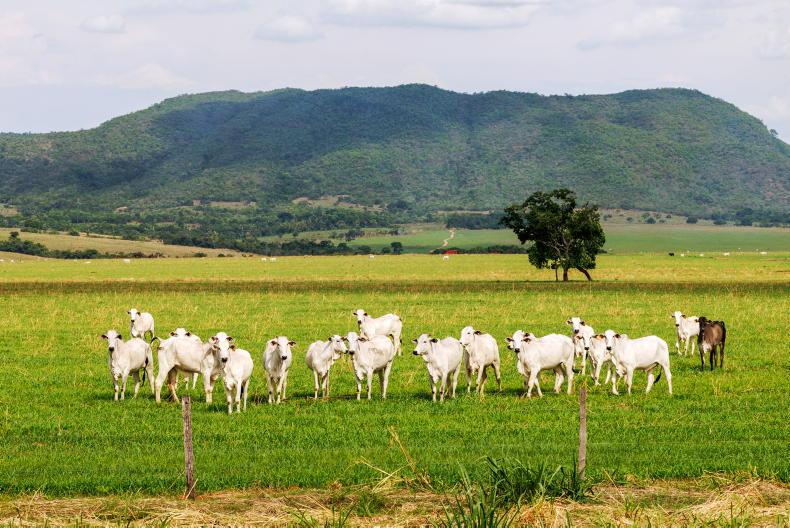
It notes that the EU’s currently high beef prices have already seen an uptick in imports from South American countries, aided by tight cattle supplies across EU member states. None of the Commission’s sums account for the impact of any trade deals not currently in place, meaning that the impact of the proposed EU-Mercosur free trade agreement that would cut tariffs on 99,000t of South American beef is not evident in the figures above.
EU beef exports are anticipated to fall by 0.1% over the coming decade and this figure would be greater were it not for an expected decline in live exports seeing a greater proportion of the EU’s finished cattle being slaughtered in the EU before export than are currently.
Consumption
The report foresees a reduction in the amount of beef purchased by EU consumers over the coming years.
It predicts that the average EU consumer will eat 6.1kg retail weight of beef by 2035, a 0.57kg drop on current levels, due to the “lower availability of beef and its relatively higher price compared with other meats”.
The predicted decline in livestock numbers was flagged in the report as having the potential to leave more grasslands vulnerable to land abandonment, particularly in mountain areas.



SHARING OPTIONS