China imported 2.802m tonnes (t) of beef in 2025, 72,000t less than the previous year. In the context of such a large volume, this drop is negligible.
However, what makes it noteworthy is that it is the first time in the decade and a half since China’s beef imports surged that there has been an actual decline.
In recent years, the upward trend has levelled off, with just marginal increases year on year after the period of rapid growth between 2017 and 2022 when the volume increased from 716,000t in 2017 to 2.690m tonnes in 2022.
Suppliers
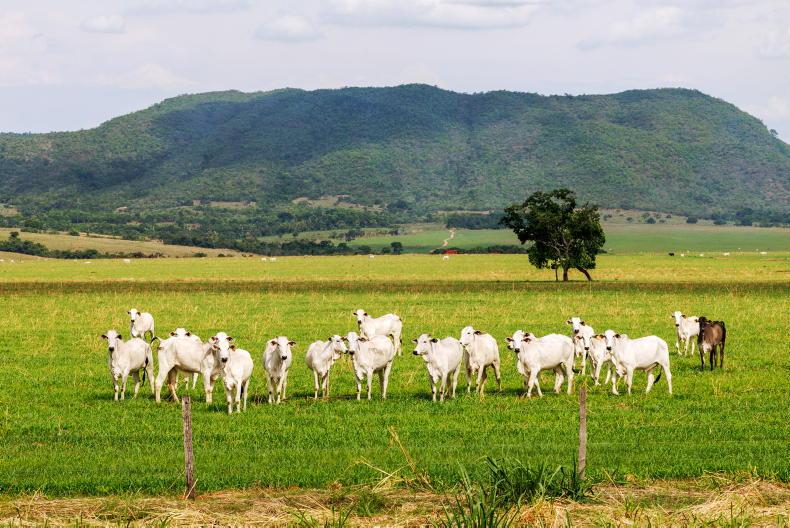
Brazil continued as China’s main source of beef imports last year, accounting for over half the total volume with 1.459m tonnes.
Argentina remained as the second-largest supplier with almost 472,000t, though this was significantly less than the 595,000t it supplied the previous year.
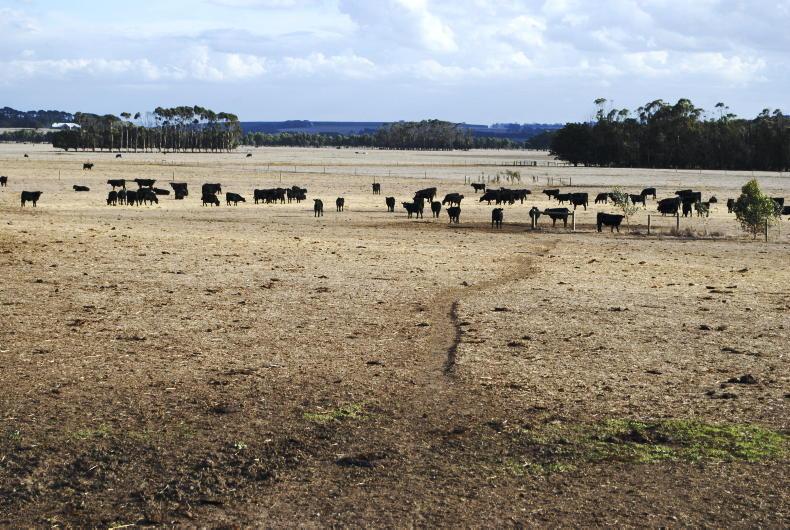
Australia replaced Uruguay as the third-largest supplier with 306,000t, up from 216,000t in 2024. Uruguay accounted for 204,000t last year, which was down from 244,000t in 2024.
China also imported less beef from New Zealand in 2025 compared with the previous year, down from 150,000t to 115,000t, while Bolivia supplied 98,000t last year compared with 114,000t the year before.
The most newsworthy beef trade story in relation to China last year was the fraught relationship with the United States. It had been building market share, but a combination of trade tariffs and failure by US beef processors to get licenses for China renewed meant that it supplied just under 56,000 last year, compared with 138,000t the year before.
This is expected to reduce further in 2026, as most of 2025 imports were in the first quarter prior to the trade disputes and licenses expiring in March. Ireland didn’t feature as a supplier of China’s beef imports in 2025 due to the BSE suspension.
Sheepmeat imports
China’s sheepmeat imports also fell last year, down from 366,480t in 2024 to 338,973t last year. This is almost 100,000t less than it imported in 2023.
Australia and New Zealand dominate China’s sheepmeat imports, with 172,543t coming from Australia and 162,572t coming from New Zealand last year.
A long way back on the sheepmeat supplier list is Uruguay with 2,323t and Chile on 1,183t.
Pigmeat
China’s pigmeat imports have fluctuated over the past decade.
At the time of African swine fever, which devastated China’s pigmeat production, imports of pigmeat soared to more than 4m tonnes in 2020.
Since then, China has rebuilt and modernised its pig herd and consequently its demand for pigmeat has declined dramatically, falling to under 964,588t last year.
Europe is a major provider of China’s pigmeat imports, with Spain leading the way on 283,630t last year.
Brazil is the second-largest supplier with 153,564t, followed by the UK on 71,921t, Netherlands on 71,875t and Denmark on 64,302t.
Ireland is the 17th-largest supplier on 32,147t last year.
Comment – quotas will have an impact this year
China has been and will continue to be a significant export market for Irish dairy and pigmeat exports. We never got started with sheepmeat exports, while beef export ambitions have been frustrated by BSE and more recently bluetongue.
However, despite not being part of the market, it is the beef sector that could be most affected by China’s import policy in 2026.
For the first time, China has introduced a quota for beef imports, set at 2.688m tonnes, which is less than the 2.8m tonnes imported last year.
The major beef-supplying countries have been given individual quotas and for Brazil this means that its 2026 quota is over 350,000t below what it supplied in 2025.
Similarly with Australia, its quota for 2026 is 100,000t less than what it supplied last year.
Anything that China’s beef importers source in countries that have reached their quota will attract an additional 55% tariff. This will mean that it is likely in the latter part of this year, both Brazil and China will be looking for other markets when their quota for China is filled. The EU and UK markets could be an attractive alternative for them at this point.
China imported 2.802m tonnes (t) of beef in 2025, 72,000t less than the previous year. In the context of such a large volume, this drop is negligible.
However, what makes it noteworthy is that it is the first time in the decade and a half since China’s beef imports surged that there has been an actual decline.
In recent years, the upward trend has levelled off, with just marginal increases year on year after the period of rapid growth between 2017 and 2022 when the volume increased from 716,000t in 2017 to 2.690m tonnes in 2022.
Suppliers
Brazil continued as China’s main source of beef imports last year, accounting for over half the total volume with 1.459m tonnes.
Argentina remained as the second-largest supplier with almost 472,000t, though this was significantly less than the 595,000t it supplied the previous year.
Australia replaced Uruguay as the third-largest supplier with 306,000t, up from 216,000t in 2024. Uruguay accounted for 204,000t last year, which was down from 244,000t in 2024.
China also imported less beef from New Zealand in 2025 compared with the previous year, down from 150,000t to 115,000t, while Bolivia supplied 98,000t last year compared with 114,000t the year before.
The most newsworthy beef trade story in relation to China last year was the fraught relationship with the United States. It had been building market share, but a combination of trade tariffs and failure by US beef processors to get licenses for China renewed meant that it supplied just under 56,000 last year, compared with 138,000t the year before.
This is expected to reduce further in 2026, as most of 2025 imports were in the first quarter prior to the trade disputes and licenses expiring in March. Ireland didn’t feature as a supplier of China’s beef imports in 2025 due to the BSE suspension.
Sheepmeat imports
China’s sheepmeat imports also fell last year, down from 366,480t in 2024 to 338,973t last year. This is almost 100,000t less than it imported in 2023.
Australia and New Zealand dominate China’s sheepmeat imports, with 172,543t coming from Australia and 162,572t coming from New Zealand last year.
A long way back on the sheepmeat supplier list is Uruguay with 2,323t and Chile on 1,183t.
Pigmeat
China’s pigmeat imports have fluctuated over the past decade.
At the time of African swine fever, which devastated China’s pigmeat production, imports of pigmeat soared to more than 4m tonnes in 2020.
Since then, China has rebuilt and modernised its pig herd and consequently its demand for pigmeat has declined dramatically, falling to under 964,588t last year.
Europe is a major provider of China’s pigmeat imports, with Spain leading the way on 283,630t last year.
Brazil is the second-largest supplier with 153,564t, followed by the UK on 71,921t, Netherlands on 71,875t and Denmark on 64,302t.
Ireland is the 17th-largest supplier on 32,147t last year.
Comment – quotas will have an impact this year
China has been and will continue to be a significant export market for Irish dairy and pigmeat exports. We never got started with sheepmeat exports, while beef export ambitions have been frustrated by BSE and more recently bluetongue.
However, despite not being part of the market, it is the beef sector that could be most affected by China’s import policy in 2026.
For the first time, China has introduced a quota for beef imports, set at 2.688m tonnes, which is less than the 2.8m tonnes imported last year.
The major beef-supplying countries have been given individual quotas and for Brazil this means that its 2026 quota is over 350,000t below what it supplied in 2025.
Similarly with Australia, its quota for 2026 is 100,000t less than what it supplied last year.
Anything that China’s beef importers source in countries that have reached their quota will attract an additional 55% tariff. This will mean that it is likely in the latter part of this year, both Brazil and China will be looking for other markets when their quota for China is filled. The EU and UK markets could be an attractive alternative for them at this point.








SHARING OPTIONS