


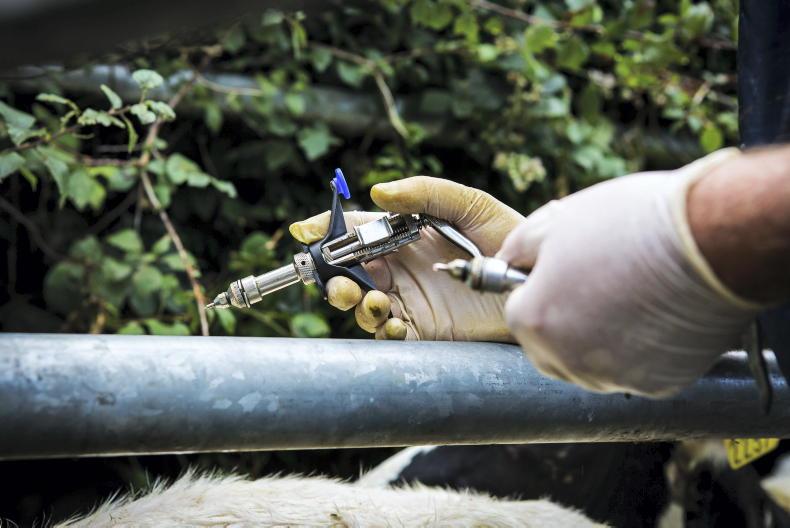
Herds that have been free of bovine TB for a decade or more have a “significantly lesser risk” of going down with the disease than herds who have had more recent breakdowns, a study published in the Irish Veterinary Journal assessing risks in Irish cattle herds has confirmed.
The study’s authors looked in depth at the risk status of the herds that went down with TB in Ireland January 2023 to June 2024, finding that 17.1% of herds free of TB for less than a year saw a breakdown, while the equivalent was 4.6% for herds that had been TB-free for 10 years or more. They said that the data assessed in the paper “indicates that policy proposals around integrating risk with trading between herds to lower buyer exposure is supported by evidence”.
Their study found that, while the longer duration a herd remains TB-free, the lower risk it faces on experiencing a breakdown, this risk is not entirely eliminated.
The paper states that this is especially the case for herds that have been free of the disease for some years, but which are engaged in higher-risk activities, such as the introduction of a significant number of cattle into the herd from outside herds.
This particular risk “may intensify” from the levels seen previously as sourcing “wholly unexposed stock may become more difficult” going ahead compared to previous years, when there had been less levels of TB in the national herd.
Dairy
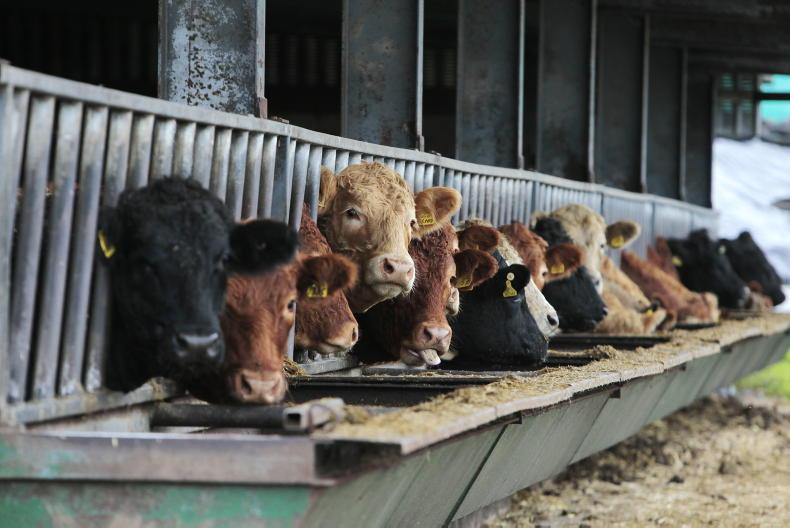
The researchers noted that while “dairy herds had higher overall risk” of experiencing a TB breakdown, “non-dairy breeding herds with large numbers of inward movements” were typically higher risk than dairy.
They suggested that this may be due to contract rearing representing a lower risk type of inward movement in a herd than buying cattle from many different sources.
Badgers and biosecurity
The researchers also said that there is evidence to suggest that farmers whose herds have not experienced a recent breakdown may be less likely to implement biosecurity measures safeguarding their clear test results, like the fencing off of badger setts. “It is essential that all farmers, irrespective of their risk categories are aware of, and implement, relevant risk mitigation measures,” they said. The analysis found “no evidence” that herds located inside badger vaccination areas were at either an increased or decreased risk of a TB breakdown relative to herds in badger removal zones, if all other factors were equal.


SHARING OPTIONS