




Enthusiasm is flowing out of our pores these days. It is helped by the good, dry weather. The calving season is almost upon us and we are absolutely focused! The men have finalised the budgets for the year ahead. We’ve discussed the on-the-ground plans for the calving season, exploring what we did last year, what we learned and what we will do differently this year.
I like to be up early and these mornings I’m joined by Colm who is forming the habit to be on duty early for milking. Tim and Colm are the chief milkers while Philip and I are the main calf rearers. Tim does the morning milking and Colm does the evening one. The plan is to stay once-a-day for the month of February.
Diarmuid thinks it’s a great plan as he generally only milks with whomever in the evening. The once-a-day milking worked a treat last year, allowing both cow and operators to find their rhythm.
An early start is imperative for Philip and me as we are both committed to heading out to work. The evenings are easier as we won’t be working under time constraints.
CALF REARING PLANS
At this point, we’re only days from the first calf on the ground. The heifers that are bagging down nicely will come home this week from the kale field.
I’m at the kitchen with my computer and a cup of tea. Colm’s in the office off from the kitchen. It’s a little room but a power house at the moment. He emerges and places a single sheet of paper in front of me on the table. It’s headed Calf Rearing Budget: outcome of meeting 17/01/2017. It outlines everything that will be purchased for the calf rearing season. Expansion is expensive and we will calve 30 more heifers this year so that means more work and more equipment necessary for the season.
I envy farmers who have grand purpose-built calf houses because I’m never going to have one of those. Our expenditure priorities are firmly on grass and cows. An expensive calf house that is only used for a few months of the year does not rate highly with my men. I reluctantly understand the position! Still, it would be nice.
So, we are making some minor alterations and repairs to the existing shed to reduce draughts. It will give us three extra pens. We will also take a group of heifer calves over to the outside farm that Colm has leased.
It has a good enough shed and will take the pressure off at home. It’s envisaged that we will move them when they are three weeks old. The bull calves and surplus replacement heifers will be sold. The decision has been made to rear 45 heifers.
The neatly typed sheet in front of me details the actions that are being addressed and lists everything that is required, from new teats for the feeders through to vaccines, bedding, equipment and feed stuffs. Everything has been costed. The person responsible for the action is also noted.
Because our shed is in constant use for other things, it will be power washed and disinfected this week. The disinfectant that will be used is the one that was recommended at the calf rearing session at the Teagasc Dairy Conference.
I admit I’m paranoid about our strategies for calf rearing this year. We got a roasting from a rotavirus outbreak last year. Stomach tubing calves in the dead of night, suffering lack of sleep and when we turned around the next day, there were more calves sick! I haven’t forgotten. It left me doubting all my learning and experience over many years and hundreds of calves.
So we’ve been very serious about our meetings and plans. If I get too zealous, I’m threatened with the calves being sold out from under me and in-calf heifers bought in each year. I don’t want to hear that the costs are similar.
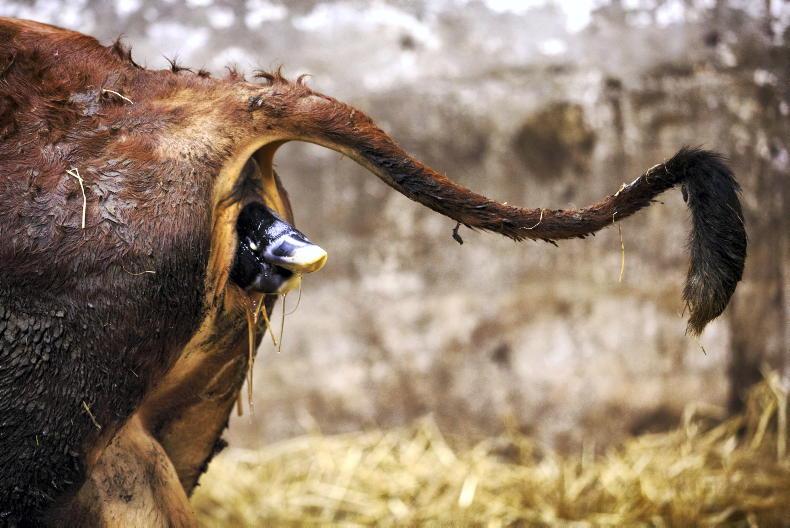
All the cows and heifers have been vaccinated for rotavirus this year. It will be up to us to get the colostrum into the calves to make sure they are protected. I can’t wait to see the first heifer, her coat glistening and curling as her mother licks her. I’m excited just thinking about it.
DISCUSSION
Tim will do the first grass walk this week. The grass is certainly growing here in Cork and we look forward in anticipation to having plenty of grass in front of the cows. An abundance of early grass will require careful management to keep the quality up and to avoid waste. Spring is a wonderful time of the year on dairy farms and the birth of baby calves gives me real pleasure in what we do.
There’s a huge bonus in being able to discuss the issues openly and constructively. I’m convinced that things could get unmanageable very quickly without this transparency. Tim has a wealth of experience, Colm has huge technical knowledge, and Philip and I bring other strengths to the table. We will be busy so we need to be clear in our minds as to what we are doing.
We need to work out a roster so that everyone gets adequate sleep. We check the cows last thing at night, which is probably around midnight, and one of us is usually in the yard at 6am. We feed the cows in the evening so as to avoid night calving and it does work. There’s a huge plan of work ahead for this week and we are healthy and ready to be really busy in the weeks ahead. Sustaining ourselves physically and mentally until the beginning of April must be a priority.




SHARING OPTIONS