From an international point of view, Ireland has a very light touch regulatory system when it comes to land ownership. The same can be said of the United Kingdom and the USA. If farmland comes up for sale, anyone can buy it regardless of their background, nationality or who they are.
This has resulted in some individuals buying a lot of land. In the US, Microsoft founder Bill Gates is reported to own some 275,000 acres of some of the country’s best farmland.
In the UK, the inventor of the Dyson vacuum cleaner James Dyson claims he owns 36,000 acres in England. Interestingly, Dyson also owns the 850ac Ballynatray estate on the Cork/Waterford border.
The scale of these landholdings puts the estimated 11,000 acres owned by Coolmore Stud and the Magnier family in Ireland in context.
These statistics clearly demonstrate that if someone has the money and the desire, they can buy whatever amount of land that they want. However, that’s not the case in every country.
France
Purchasing or leasing land in France is controlled by a local board or authority called Sociétés d’Aménagement Foncier et d’Etablissement Rural (SAFER). In many parts of France, if a farm comes up for sale or for lease, the farmer cannot freely decide for themselves who gets to buy or lease their land. Instead, the SAFER committee makes that decision for them and effectively controls the price that they get.
The thinking behind this board is to avoid speculation on land, help young farmers to get established and to protect the fabric of rural life in France. In many ways, it demonstrates the almost total opposite policy in place in Ireland, the UK and the US.
There is no way that Magnier, Dyson or Gates would get to accumulate so much land in France given the strict criteria enforced by the local boards. Some of the criteria used by the SAFER boards include the following:
Keep land in agricultural use. This is to avoid the likes of hoarding land near towns or cities in the hope that some day it may be zoned for housing or industrial use. This policy ensures that only active farmers get to buy land. The board will prioritise granting land purchase to young farmers who otherwise wouldn’t be in a position to purchase or lease a farm. It also prioritises land for smaller farmers who they believe have a necessity to get bigger in order to become more viable. The local boards try to avoid excessively high prices for land and instead set prices at a fair level that is reflective of the returns from the land. This final point is arguably the most significant, given that much of the demand for land in Ireland is driven by people with non-farming income. Effectively, they wouldn’t even get the opportunity to bid on land in France given the priority assigned to young farmers and farmers that need to expand.
The net result is that farmland in France is selling for between €5,000/ha and €8,000/ha (€2,000/ac to €3,300/ac), which is five to ten times less than the price of land in Ireland.
Foreigners are not excluded from buying land in France and there are plenty of examples of Irish and other international farmers moving there to farm. The relatively low price of high-quality land in the heart of Europe is certainly a draw, as is the good weather and great wine.
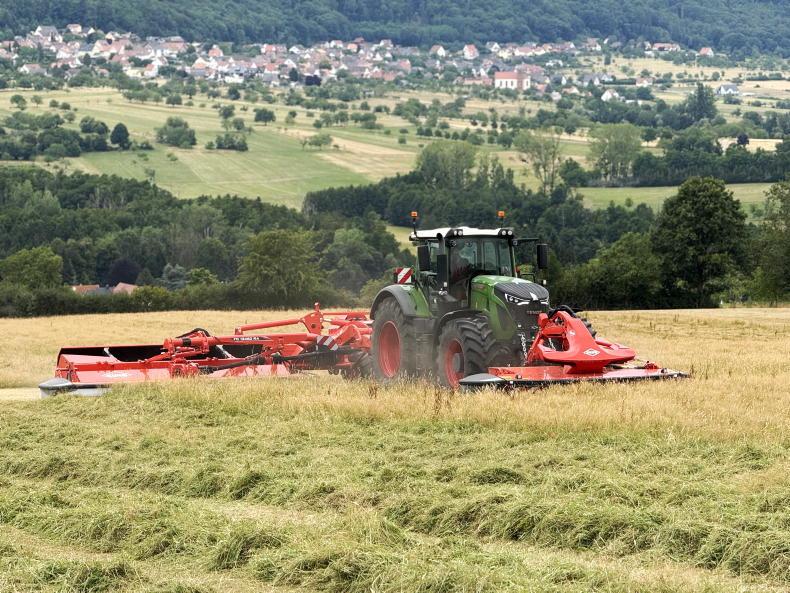
Sales of farmland in France are closely regulated, with local boards deciding on who gets to purchase and lease farms.
New Zealand
Heading to the other side of the world, in 1984, the then Labour government in New Zealand made the difficult decision to phase out all agricultural subsidies. For a country heavily reliant on agricultural exports for its Gross Domestic Product (GDP), the move was bold and controversial.
The result proved extremely difficult for many farmers, particularly those with steep debt levels who were already grappling with the high interest rates of that era. Today, New Zealand agriculture prides itself on the efficiency of its farming. With a swagger like the All Blacks, New Zealand farmers are proud of the fact that they don’t receive government handouts.
However, while there are no subsidies for New Zealand farmers, there is no Capital Gains Tax either. The majority of farmers in New Zealand purchase their farms, either from their parents or on the open market.
The traditional approach to farm ownership in New Zealand was for young prospective farm owners to work on a farm, step up to farm manager, take on cow ownership and then buy a farm. On retirement, they could either recruit a sharemilker or sell their farm.
When they sell, all of the capital gain in land values between the purchase date and the sale date is effectively tax free. This has created huge wealth for many farmers over the last 30 years as land prices have increased enormously over this period, despite being relatively flat over the last 10 years.
So, while Kiwi farmers can claim to be subsidy free, the zero tax on capital gains on land can be argued to be a subsidy in another guise.
This has made New Zealand farmland an attractive place for investment. Not only is the system of farming profitable, but when land prices go up, the value of the investment goes up with it and when it’s disposed of, the investors keep all of the proceeds.
Concerned with foreign corporations and individuals buying up farmland, the New Zealand government introduced the Overseas Investment Act in 2005 to control non-nationals from buying up residential property and farmland.
The Act states that if a foreign person or organisation wants to buy farmland in New Zealand, it first needs to get consent from the government. Many viewed the Act as a way of curtailing Chinese investment and there have been numerous times when the government prevented the sale of land to Chinese investors.
Foreigners can still buy land, but they have to prove that by doing so they are creating a net benefit to the New Zealand economy through job creation, exports and so on. As the system is based on consent, each application is treated on a case-by-case basis which means that the New Zealand government can allow foreign buyers when it suits them.
An example of this was when Chinese dairy giant Bright purchased a controlling share of the struggling Synlait dairy company and its farms in 2024.
According to international property agents Colliers, the average price of dairy farm land in intensive Canterbury region was between €25,000/ha and €30,000/ha (€10,000/ac and €12,140/ac) in the last season.
Comment
For farmers, the relatively relaxed regulatory approach to land ownership in Ireland is a bit of a double-edged sword. On the one hand, Irish land prices are high as demand for land is high. Non-farmers are key drivers of that demand.
Some of this increased demand is due to the cultural desire to own property and in other cases, it’s to do with the tax benefits of transferring wealth through land to the next generation.
Either way, commercial farmers face stiff competition for land which is pushing up the prices. On the other hand, high land prices create a significant source of wealth for existing farmers and landowners.
In last year’s budget, the Government proposed changes to the tax reliefs on land transfer to make it less attractive for investors to buy land for the purpose of transferring wealth. However, these proposals were never enacted but it highlights that it is something that the Government is looking at.
From an international point of view, Ireland has a very light touch regulatory system when it comes to land ownership. The same can be said of the United Kingdom and the USA. If farmland comes up for sale, anyone can buy it regardless of their background, nationality or who they are.
This has resulted in some individuals buying a lot of land. In the US, Microsoft founder Bill Gates is reported to own some 275,000 acres of some of the country’s best farmland.
In the UK, the inventor of the Dyson vacuum cleaner James Dyson claims he owns 36,000 acres in England. Interestingly, Dyson also owns the 850ac Ballynatray estate on the Cork/Waterford border.
The scale of these landholdings puts the estimated 11,000 acres owned by Coolmore Stud and the Magnier family in Ireland in context.
These statistics clearly demonstrate that if someone has the money and the desire, they can buy whatever amount of land that they want. However, that’s not the case in every country.
France
Purchasing or leasing land in France is controlled by a local board or authority called Sociétés d’Aménagement Foncier et d’Etablissement Rural (SAFER). In many parts of France, if a farm comes up for sale or for lease, the farmer cannot freely decide for themselves who gets to buy or lease their land. Instead, the SAFER committee makes that decision for them and effectively controls the price that they get.
The thinking behind this board is to avoid speculation on land, help young farmers to get established and to protect the fabric of rural life in France. In many ways, it demonstrates the almost total opposite policy in place in Ireland, the UK and the US.
There is no way that Magnier, Dyson or Gates would get to accumulate so much land in France given the strict criteria enforced by the local boards. Some of the criteria used by the SAFER boards include the following:
Keep land in agricultural use. This is to avoid the likes of hoarding land near towns or cities in the hope that some day it may be zoned for housing or industrial use. This policy ensures that only active farmers get to buy land. The board will prioritise granting land purchase to young farmers who otherwise wouldn’t be in a position to purchase or lease a farm. It also prioritises land for smaller farmers who they believe have a necessity to get bigger in order to become more viable. The local boards try to avoid excessively high prices for land and instead set prices at a fair level that is reflective of the returns from the land. This final point is arguably the most significant, given that much of the demand for land in Ireland is driven by people with non-farming income. Effectively, they wouldn’t even get the opportunity to bid on land in France given the priority assigned to young farmers and farmers that need to expand.
The net result is that farmland in France is selling for between €5,000/ha and €8,000/ha (€2,000/ac to €3,300/ac), which is five to ten times less than the price of land in Ireland.
Foreigners are not excluded from buying land in France and there are plenty of examples of Irish and other international farmers moving there to farm. The relatively low price of high-quality land in the heart of Europe is certainly a draw, as is the good weather and great wine.
Sales of farmland in France are closely regulated, with local boards deciding on who gets to purchase and lease farms.
New Zealand
Heading to the other side of the world, in 1984, the then Labour government in New Zealand made the difficult decision to phase out all agricultural subsidies. For a country heavily reliant on agricultural exports for its Gross Domestic Product (GDP), the move was bold and controversial.
The result proved extremely difficult for many farmers, particularly those with steep debt levels who were already grappling with the high interest rates of that era. Today, New Zealand agriculture prides itself on the efficiency of its farming. With a swagger like the All Blacks, New Zealand farmers are proud of the fact that they don’t receive government handouts.
However, while there are no subsidies for New Zealand farmers, there is no Capital Gains Tax either. The majority of farmers in New Zealand purchase their farms, either from their parents or on the open market.
The traditional approach to farm ownership in New Zealand was for young prospective farm owners to work on a farm, step up to farm manager, take on cow ownership and then buy a farm. On retirement, they could either recruit a sharemilker or sell their farm.
When they sell, all of the capital gain in land values between the purchase date and the sale date is effectively tax free. This has created huge wealth for many farmers over the last 30 years as land prices have increased enormously over this period, despite being relatively flat over the last 10 years.
So, while Kiwi farmers can claim to be subsidy free, the zero tax on capital gains on land can be argued to be a subsidy in another guise.
This has made New Zealand farmland an attractive place for investment. Not only is the system of farming profitable, but when land prices go up, the value of the investment goes up with it and when it’s disposed of, the investors keep all of the proceeds.
Concerned with foreign corporations and individuals buying up farmland, the New Zealand government introduced the Overseas Investment Act in 2005 to control non-nationals from buying up residential property and farmland.
The Act states that if a foreign person or organisation wants to buy farmland in New Zealand, it first needs to get consent from the government. Many viewed the Act as a way of curtailing Chinese investment and there have been numerous times when the government prevented the sale of land to Chinese investors.
Foreigners can still buy land, but they have to prove that by doing so they are creating a net benefit to the New Zealand economy through job creation, exports and so on. As the system is based on consent, each application is treated on a case-by-case basis which means that the New Zealand government can allow foreign buyers when it suits them.
An example of this was when Chinese dairy giant Bright purchased a controlling share of the struggling Synlait dairy company and its farms in 2024.
According to international property agents Colliers, the average price of dairy farm land in intensive Canterbury region was between €25,000/ha and €30,000/ha (€10,000/ac and €12,140/ac) in the last season.
Comment
For farmers, the relatively relaxed regulatory approach to land ownership in Ireland is a bit of a double-edged sword. On the one hand, Irish land prices are high as demand for land is high. Non-farmers are key drivers of that demand.
Some of this increased demand is due to the cultural desire to own property and in other cases, it’s to do with the tax benefits of transferring wealth through land to the next generation.
Either way, commercial farmers face stiff competition for land which is pushing up the prices. On the other hand, high land prices create a significant source of wealth for existing farmers and landowners.
In last year’s budget, the Government proposed changes to the tax reliefs on land transfer to make it less attractive for investors to buy land for the purpose of transferring wealth. However, these proposals were never enacted but it highlights that it is something that the Government is looking at.





SHARING OPTIONS