


Sixty years ago when I travelled on the school bus 15 miles to Swindon, every blade of grass I passed on both sides of the road fed cows, which produced milk.
There was a total of 30 herds ranging from seven cows to 70 cows. Today, there are no dairy cows between here and Swindon.
The land has been covered by urban sprawl, hotels, garages, car sales and farm diversifications, with a few farmers raising beef.
Today, any dairy herds left around here would range from 70 to 700 cows. It is a given that the number of dairy herds halves every 10 years. Today, there are 7,500.
Herds are getting less in number but bigger.
Herd dispersal seems to be no longer the auction ring but total herds being purchased and going straight from farm to farm.
The trend at the moment seems to be to Wales, perhaps because dairy farmers there are financially better since Brexit than those of us in England, but it is moving milk production far away from the chimney pots.
Cows loaded for Wales
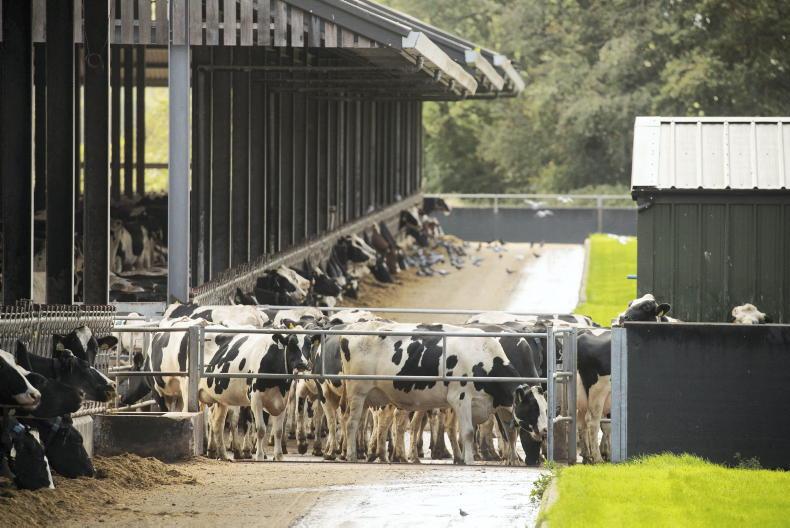
This week, I received a tearful phone call from a neighbouring farmer's widow. She had just seen her dairy herd loaded on to lorries bound for south Wales.
A week ago her son, who was responsible for milking the cows, had received news that he had been diagnosed with a terminal disease which killed his father and his grandfather.
I phoned the son later in the day imagining I would need to console him. Surprisingly, he was in a brilliant mood.
He had just received news from the hospital that his condition was not terminal, so he was overjoyed.
He didn’t seem too concerned that the high-index pedigree he had inherited from his father was gone.
After talking to him I realised, as with the rest of his generation, they do not want the 24-seven tie of the family dairy farm.



SHARING OPTIONS