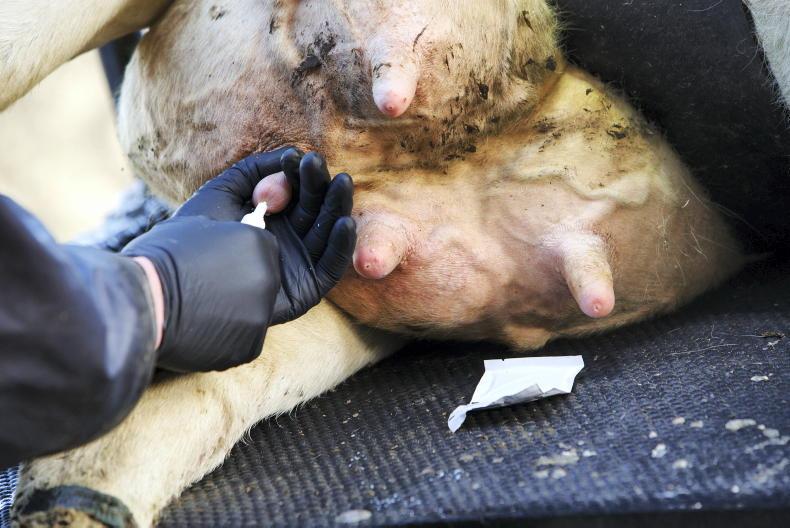
If you vaccinate pregnant cows against rotavirus scour in their calves, now is the time to give the jab to cows calving in February and March.
It’s only effective against rotavirus scour and is expensive at around €10/dose.
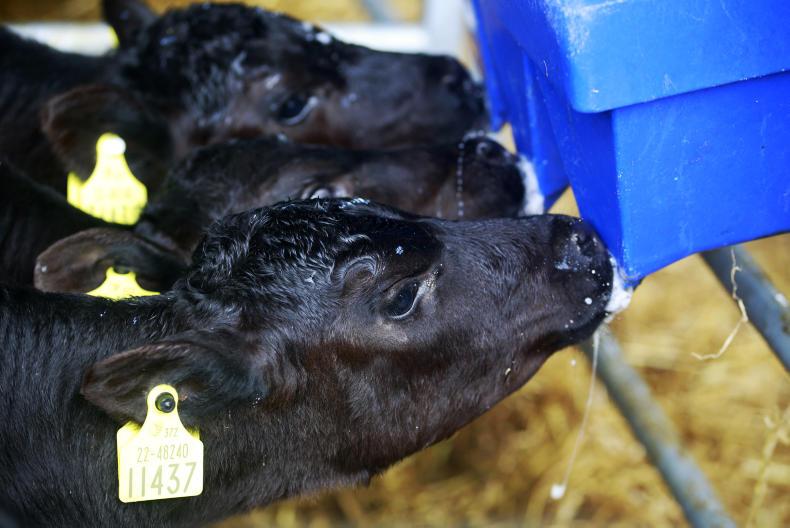
The vaccine protects calves born between three and 12 weeks after their dam is vaccinated. It relies on antibodies being passed to the calf in colostrum, so the calf needs to be getting sufficient biestings for the vaccine to work.
ADVERTISEMENT
It’s only effective against rotavirus scour and is expensive at around €10/dose so only vaccinate if you need to.
Some farmers who pool colostrum take a chance and vaccinate every second cow on due calving date. Their view is that where the colostrum is pooled the calves will be getting enough antibodies from cows that were vaccinated.
But there are risks associated with pooling colostrum (Johne’s disease) and there is also a risk that not enough antibodies will be passed through.
This content is available to digital subscribers and loyalty code users only. Sign in to your account, use the code or subscribe to get unlimited access.
The reader loyalty code gives you full access to the site from when you enter it until the following Wednesday at 9pm. Find your unique code on the back page of Irish Country Living every week.
CODE ACCEPTED
You have full access to the site until next Wednesday at 9pm.
CODE NOT VALID
Please try again or contact support.
If you vaccinate pregnant cows against rotavirus scour in their calves, now is the time to give the jab to cows calving in February and March.
It’s only effective against rotavirus scour and is expensive at around €10/dose.
The vaccine protects calves born between three and 12 weeks after their dam is vaccinated. It relies on antibodies being passed to the calf in colostrum, so the calf needs to be getting sufficient biestings for the vaccine to work.
It’s only effective against rotavirus scour and is expensive at around €10/dose so only vaccinate if you need to.
Some farmers who pool colostrum take a chance and vaccinate every second cow on due calving date. Their view is that where the colostrum is pooled the calves will be getting enough antibodies from cows that were vaccinated.
But there are risks associated with pooling colostrum (Johne’s disease) and there is also a risk that not enough antibodies will be passed through.
If you would like to speak to a member of our team, please call us on 01-4199525.
Link sent to your email address
We have sent an email to your address. Please click on the link in this email to reset your password. If you can't find it in your inbox, please check your spam folder. If you can't find the email, please call us on 01-4199525.
ENTER YOUR LOYALTY CODE:
The reader loyalty code gives you full access to the site from when you enter it until the following Wednesday at 9pm. Find your unique code on the back page of Irish Country Living every week.







SHARING OPTIONS