


With being two-thirds of the way through March, winter and all its rain can kindly wait away for a while.
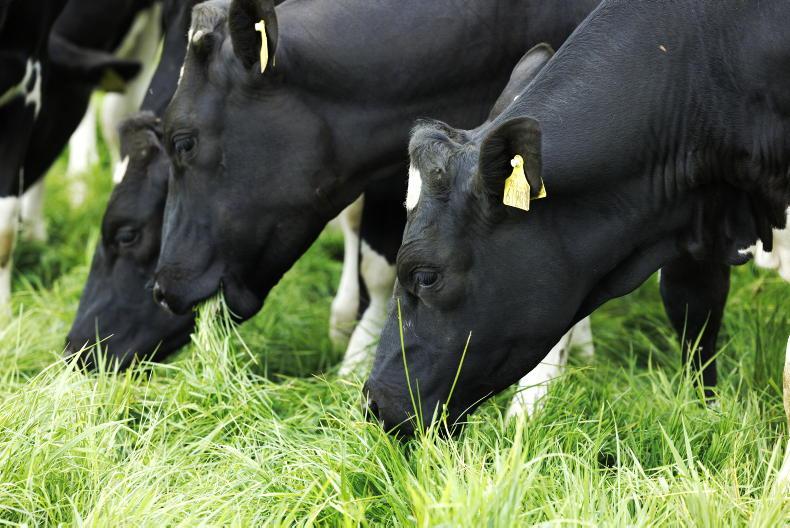
Some much-needed dry days were greatly appreciated this week and saw some farmers finally be able to turn stock out.
Ground conditions are still only just ok in many places, but have greatly improved on what they were last week.
Anyone following a spring rotation planner would see their efforts better rewarded in trying to reverse a 2ft-wide sow through an 18in gap; it was an impossibility.
Right now, it’s about adjusting the spring planner as best you can. Ideally, we would be looking at roughly 70% of ground to be grazed by now, but from talking to farmers, half this is more common.
The one chink of light that is there is that both beef and dairy farmers should have a good deal of cows now calved, with some of them calved well over a month, so intakes will be high.
When cattle now go into a paddock, they should move through it fairly rapidly.
Tight for second round
The issue with this can be that while we are flying through paddocks at no man’s rate, we could catch up quickly on those first-grazed paddocks.
In a normal year, we would have these grazed off in early February and back on them for early April, giving them 60 days of growth.
Now, we could be facing them back in 40 to 45 days instead and while growth is going to be higher now than it is in February, the second round could still be lacking cover by the time we get to it.
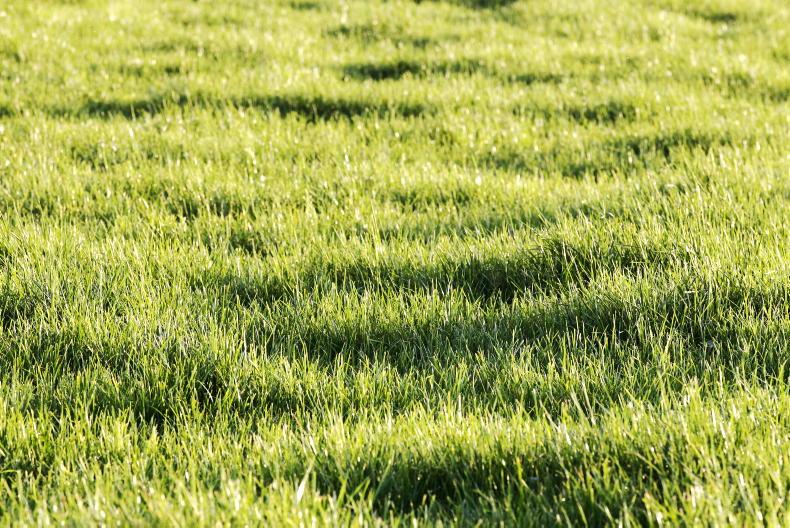
To try to counteract this, we need to push on growth in grazed paddocks to maintain average farm cover.
Hopefully 30 units of nitrogen per acre have been spread by now and, if not, then these paddocks should be brought up to speed. Once fertiliser is spread more than a week, it will be of no harm to spread some watery slurry on this ground as well.
Coming to the end of the first round, it may be necessary to chop and change, grazing the second round by day and first round by night, etc, but we will deal with that closer to the time.




SHARING OPTIONS