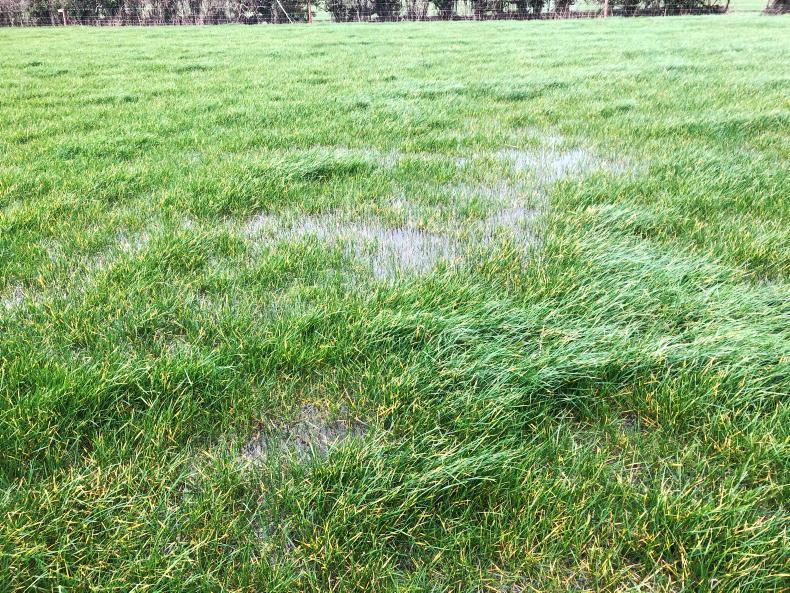
For the majority of the country, grazing conditions have remained very challenging over the last week. Rain has continued to fall with very little let up except for brief cold snaps.
Growth is still low as soil temperatures have remained low but on the bright side daylight hours are starting to increase, which will inevitably help to kick the grass plant into gear.
Getting some area of the farm grazed has to be the priority now. If no area is grazed by the start of March, the beginning of the second rotation will have to be delayed and this will have a negative impact on the annual grass growth and grass quality.
On most farms there will be some area of ground that is considered the driest. Unless the cover is very high on those paddocks, getting a grazing on them will only be of benefit.
In early spring grass, a grazing helps to start the plant’s growing process again after it’s been lying dormant over the winter months.
Any higher covers will be difficult to graze down well and utilisation will be poor.
Not every farm will get 30% grazed and most won’t even get 15% grazed at this stage, but it’s about putting the wheels in motion so that there are some paddocks with a cover back in early April.
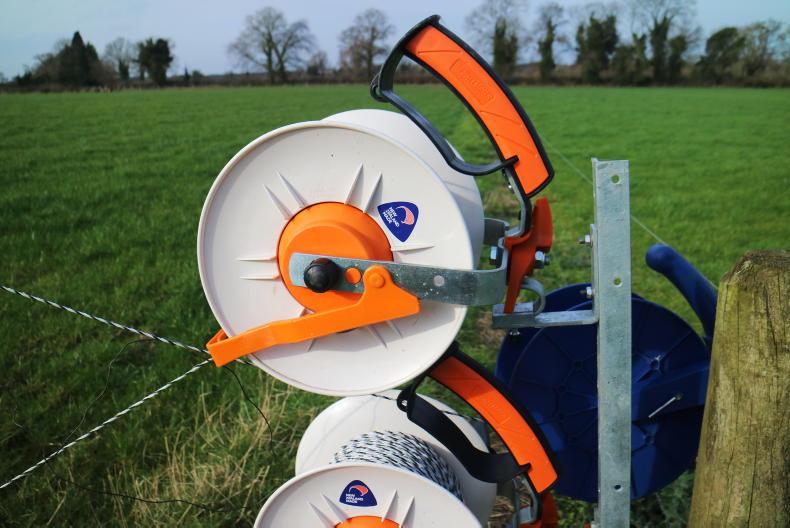
On/off grazing is the key to achieving grazings now. Get cows out for a maximum of three hours. Use strip wires, back fences and spur roadways to get into paddocks with the least possible damage.
Nitrogen
Despite the challenging conditions, some farmers are getting out with slurry. A lot of this has been done out of necessity more than desire, as tanks are filling up fast.
Where possible, getting some nutrients out would be of huge benefit to the farm. Either 2,500 gallons/acre of slurry on lighter covers or at least 20 units of a nitrogen-based fertiliser on everything else to get swards growing.
As soil temperatures are now above five degrees across the country, there will be an uptake from nitrogen spread.
Growth set to be low for the week ahead as heavy rain and cold weather limit potential.Getting some area of the farm grazed is a priority. Choose dry ground and make use of on/off grazing to limit damage.Plan to get some form of nutrient out in the form of either fertiliser or slurry over the coming weeks if conditions allow.Bronwyn Fitzpatrick – Ballyhaise, Co Cavan
We’ve 15 cows calved so far. Calving start date was 18 February, so we’re slightly ahead of plan. Ground conditions are extremely wet here. A big proportion of this farm, close to 50%, is prone to flooding, so we still have a lot of ground underwater.
This throws off our average farm cover slightly, so 795kg DM/ha is probably not a fair reflection. We’ve no cows out grazing yet but we’d be planning to start as soon as a couple of dry days come together.
We’re not under pressure for slurry storage, but we’ll be getting out with 2,500 gallons/acre on paddocks with covers less than 700kg DM/ha and 23 units of nitrogen on the rest, as soon as conditions allow.
Stocking Rate (cows/ha) -
Growth Rate (kg/day) -
Average Farm Cover (kg/cow) 795
Yield (l/cow) -
Fat % -
Protein% -
Milk Solids (kg/cow) -
Supplement fed (kg/cow/day) 3
Sean Collery – Ballinacarrow, Co Sligo
Out of the 77 cows to calve down this spring we have 25 calved with calving starting on 3 February.
We were preparing to go out to grass on/off grazing late last week when a heavy couple of days rain came together.
This put a stop to our plan, so we just have to wait for a few clear days now and we’ll get going again.
The cows are getting 72 DMD silage and 6kg of meal in the parlour.
In terms of fertiliser and slurry we have nothing done yet, as ground conditions were poor and soil temperatures too low.
However, the plan is to get out with 20 units of nitrogen in the next week or two.
Stocking Rate (cow/ha) -
Growth Rate (kg/day) -
Average Farm Cover (kg/ha) 903
Yield (l/cow) -
Fat% -
Protein% -
Milk Solids (kg/cow) -
Concentrates 6
Jack Kearney – Rathcormac, Co Cork
We’ve just over half the herd calved at this stage. There’s a bit of a slow down now as the calves to beef bulls start.
We’re on/off grazing since last week but we’ve just 3% of the platform grazed to date. Conditions are very challenging but we’re keen to keep getting grass into cows. Silage is fed at night when they come in from the evening grazing. The diet at the moment is 7kg grass allocated, 3kg meal and 3/4kg of silage.
One-third of the platform has gotten 23 units of nitrogen; the rest has been too wet to travel on. Slurry has gone out on about 20% of the silage ground, and we’ll start getting some out on the grazed paddocks when conditions improve.
Stocking Rate (cow/ha) -
Growth Rate (kg/day) 6
Average Farm Cover (kg/ha) 1,190
Yield (l/cow) -
Fat% 5.01
Protein% 3.82
Milk Solids (kg/cow) -
For the majority of the country, grazing conditions have remained very challenging over the last week. Rain has continued to fall with very little let up except for brief cold snaps.
Growth is still low as soil temperatures have remained low but on the bright side daylight hours are starting to increase, which will inevitably help to kick the grass plant into gear.
Getting some area of the farm grazed has to be the priority now. If no area is grazed by the start of March, the beginning of the second rotation will have to be delayed and this will have a negative impact on the annual grass growth and grass quality.
On most farms there will be some area of ground that is considered the driest. Unless the cover is very high on those paddocks, getting a grazing on them will only be of benefit.
In early spring grass, a grazing helps to start the plant’s growing process again after it’s been lying dormant over the winter months.
Any higher covers will be difficult to graze down well and utilisation will be poor.
Not every farm will get 30% grazed and most won’t even get 15% grazed at this stage, but it’s about putting the wheels in motion so that there are some paddocks with a cover back in early April.
On/off grazing is the key to achieving grazings now. Get cows out for a maximum of three hours. Use strip wires, back fences and spur roadways to get into paddocks with the least possible damage.
Nitrogen
Despite the challenging conditions, some farmers are getting out with slurry. A lot of this has been done out of necessity more than desire, as tanks are filling up fast.
Where possible, getting some nutrients out would be of huge benefit to the farm. Either 2,500 gallons/acre of slurry on lighter covers or at least 20 units of a nitrogen-based fertiliser on everything else to get swards growing.
As soil temperatures are now above five degrees across the country, there will be an uptake from nitrogen spread.
Growth set to be low for the week ahead as heavy rain and cold weather limit potential.Getting some area of the farm grazed is a priority. Choose dry ground and make use of on/off grazing to limit damage.Plan to get some form of nutrient out in the form of either fertiliser or slurry over the coming weeks if conditions allow.Bronwyn Fitzpatrick – Ballyhaise, Co Cavan
We’ve 15 cows calved so far. Calving start date was 18 February, so we’re slightly ahead of plan. Ground conditions are extremely wet here. A big proportion of this farm, close to 50%, is prone to flooding, so we still have a lot of ground underwater.
This throws off our average farm cover slightly, so 795kg DM/ha is probably not a fair reflection. We’ve no cows out grazing yet but we’d be planning to start as soon as a couple of dry days come together.
We’re not under pressure for slurry storage, but we’ll be getting out with 2,500 gallons/acre on paddocks with covers less than 700kg DM/ha and 23 units of nitrogen on the rest, as soon as conditions allow.
Stocking Rate (cows/ha) -
Growth Rate (kg/day) -
Average Farm Cover (kg/cow) 795
Yield (l/cow) -
Fat % -
Protein% -
Milk Solids (kg/cow) -
Supplement fed (kg/cow/day) 3
Sean Collery – Ballinacarrow, Co Sligo
Out of the 77 cows to calve down this spring we have 25 calved with calving starting on 3 February.
We were preparing to go out to grass on/off grazing late last week when a heavy couple of days rain came together.
This put a stop to our plan, so we just have to wait for a few clear days now and we’ll get going again.
The cows are getting 72 DMD silage and 6kg of meal in the parlour.
In terms of fertiliser and slurry we have nothing done yet, as ground conditions were poor and soil temperatures too low.
However, the plan is to get out with 20 units of nitrogen in the next week or two.
Stocking Rate (cow/ha) -
Growth Rate (kg/day) -
Average Farm Cover (kg/ha) 903
Yield (l/cow) -
Fat% -
Protein% -
Milk Solids (kg/cow) -
Concentrates 6
Jack Kearney – Rathcormac, Co Cork
We’ve just over half the herd calved at this stage. There’s a bit of a slow down now as the calves to beef bulls start.
We’re on/off grazing since last week but we’ve just 3% of the platform grazed to date. Conditions are very challenging but we’re keen to keep getting grass into cows. Silage is fed at night when they come in from the evening grazing. The diet at the moment is 7kg grass allocated, 3kg meal and 3/4kg of silage.
One-third of the platform has gotten 23 units of nitrogen; the rest has been too wet to travel on. Slurry has gone out on about 20% of the silage ground, and we’ll start getting some out on the grazed paddocks when conditions improve.
Stocking Rate (cow/ha) -
Growth Rate (kg/day) 6
Average Farm Cover (kg/ha) 1,190
Yield (l/cow) -
Fat% 5.01
Protein% 3.82
Milk Solids (kg/cow) -









SHARING OPTIONS