Grazing is all but finished on farms across the country now. The vast majority of cows are housed with drying-off underway. At this time of year, it’s easy to let the focus on grass slip to the back of one’s mind but before doing so there are a few key considerations to be made.
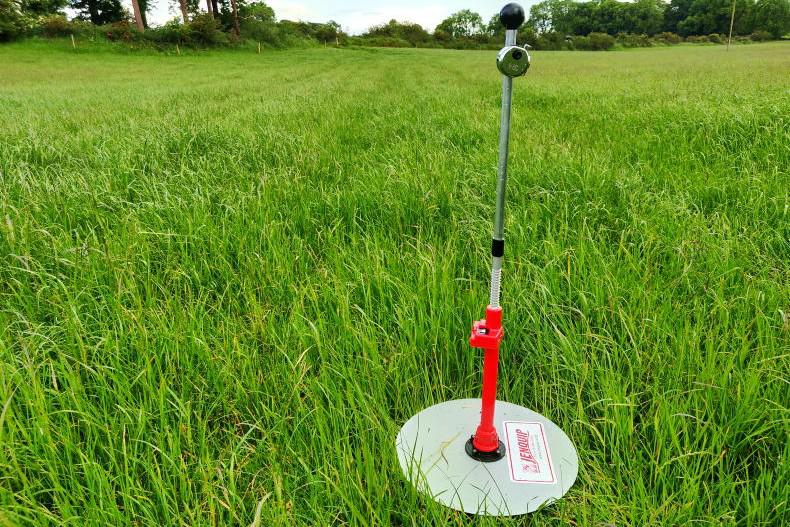
As attention turns towards 2026, it’s important to complete a closing farm walk over the next week. A closing cover will identify how the farm is placed going into the spring and will help with planning.
Targets
The target for a closing cover on the 1 December is 700kg DM/ha for farms stocked at greater than 2.5 cows/ha.
If the over-winter growth is 5kg DM/ha/day, the opening farm cover on 1 February will be 1,000kg DM/ha. This should be enough to get the farm through the first rotation with the minimum amount of supplement required.
If the farm is behind this target, extra supplement in the form of silage and meal will be required during the first rotation.
Where a lot of silage is going into the diet at that stage, it is better to feed this before the middle of March.
The reasoning for this, is that from the middle of March on cows are starting to build towards peak lactation. A lot of silage in the diet at that point will impact peak production and thus limit the annual milk solids production.
The best quality silage is still not the same quality feed as spring grass. It’s higher in fibre, meaning cows cannot achieve the same intakes and the energy and protein content of what they do consume will be lower.
To wrap up the message, if the farm is behind target now, supplement will be required next spring. If this supplement is being fed in the form of silage, plan to feed it in February or early March. That way the impact won’t be as severe on peak milk production.
Clover
Majority of farms with good clover contents will have been managing the ‘clover paddocks’ slightly differently to the standard grass paddock over the last number of weeks.
Ideally the good clover paddocks on the farm will be carrying lower covers into the winter. This allows light to penetrate down into the clover plant and encourages tillering.
If this was not the case, it’s not the end of the world but these paddocks will need to be targeted early next spring.
Teagasc research is showing that strong clover paddocks, carrying higher over winter covers, need to be grazed early in the first rotation to prevent clover stolon death.
If these heavier covers are left on the paddocks into late March, the rate of clover survivability is much lower.
As cows are dried off and things begin to quieten down, take the time to rest and plan for the spring.
Having a good plan and feed budget done early will help to identify what’s needed and when, steering the business away from costly mistakes next February.
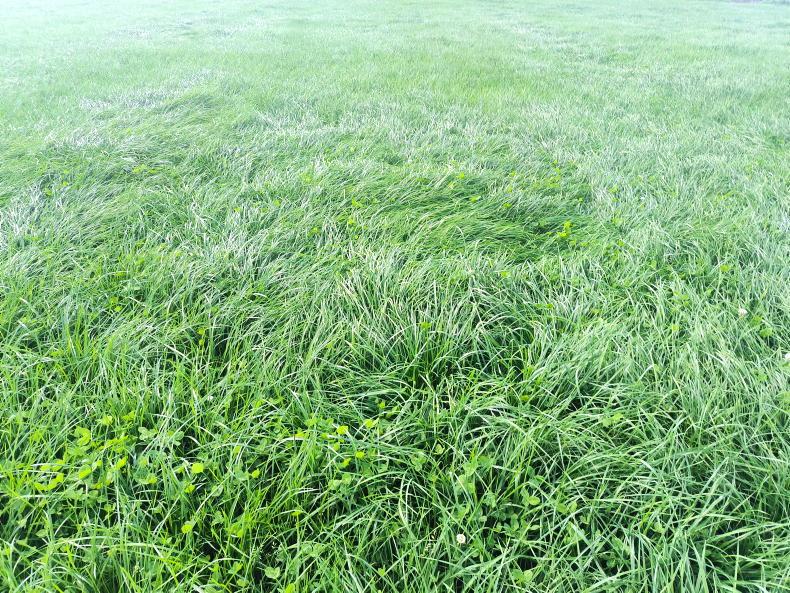
Clover paddocks carrying heavier covers over the winter will need to be targeted early next spring to prevent clover death.
Grazing is all but finished on farms across the country now. The vast majority of cows are housed with drying-off underway. At this time of year, it’s easy to let the focus on grass slip to the back of one’s mind but before doing so there are a few key considerations to be made.
As attention turns towards 2026, it’s important to complete a closing farm walk over the next week. A closing cover will identify how the farm is placed going into the spring and will help with planning.
Targets
The target for a closing cover on the 1 December is 700kg DM/ha for farms stocked at greater than 2.5 cows/ha.
If the over-winter growth is 5kg DM/ha/day, the opening farm cover on 1 February will be 1,000kg DM/ha. This should be enough to get the farm through the first rotation with the minimum amount of supplement required.
If the farm is behind this target, extra supplement in the form of silage and meal will be required during the first rotation.
Where a lot of silage is going into the diet at that stage, it is better to feed this before the middle of March.
The reasoning for this, is that from the middle of March on cows are starting to build towards peak lactation. A lot of silage in the diet at that point will impact peak production and thus limit the annual milk solids production.
The best quality silage is still not the same quality feed as spring grass. It’s higher in fibre, meaning cows cannot achieve the same intakes and the energy and protein content of what they do consume will be lower.
To wrap up the message, if the farm is behind target now, supplement will be required next spring. If this supplement is being fed in the form of silage, plan to feed it in February or early March. That way the impact won’t be as severe on peak milk production.
Clover
Majority of farms with good clover contents will have been managing the ‘clover paddocks’ slightly differently to the standard grass paddock over the last number of weeks.
Ideally the good clover paddocks on the farm will be carrying lower covers into the winter. This allows light to penetrate down into the clover plant and encourages tillering.
If this was not the case, it’s not the end of the world but these paddocks will need to be targeted early next spring.
Teagasc research is showing that strong clover paddocks, carrying higher over winter covers, need to be grazed early in the first rotation to prevent clover stolon death.
If these heavier covers are left on the paddocks into late March, the rate of clover survivability is much lower.
As cows are dried off and things begin to quieten down, take the time to rest and plan for the spring.
Having a good plan and feed budget done early will help to identify what’s needed and when, steering the business away from costly mistakes next February.
Clover paddocks carrying heavier covers over the winter will need to be targeted early next spring to prevent clover death.






SHARING OPTIONS