Calving: with the main calving season about to commence, now is a good time to take stock of the things to do to be as prepared as possible.
Cows appear to be in good body condition score on most farms, which is a positive as we head into spring, but it also increases the risk of milk fever. This is something that definitely needs to be avoided.
The cost of milk fever is enormous, with lost cows, injuries, higher vet bills, more mastitis and infertility, and it swallows up time and effort, all the while eating away at morale. The good news is that it can be avoided, without costing the earth. Post-calving bottles, boluses and drinks are available.
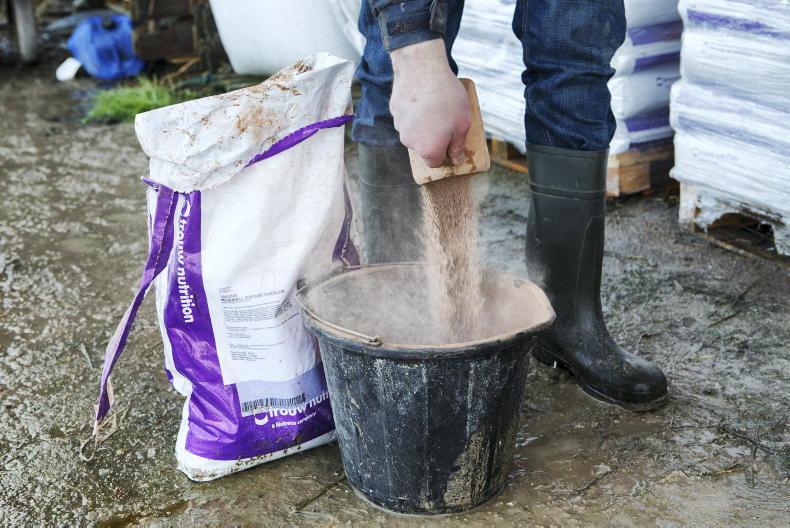
These are generally high in calcium and sometimes include other minerals. They are effective but can be expensive, with a bottle of liquid calcium costing over €12/cow. A cheaper alternative is to include magnesium flakes in the diet pre-calving.
Higher magnesium pre-calving has been shown to counteract some of the increased risks of milk fever, such as high potash in silage. It enables cows to mobilise more calcium after calving from their diet and from their bodily reserves. Lack of calcium after calving causes milk fever.
Calves: the first of the special Focus series on calves is published this week, with another instalment to be published next week. On pages 38 and 39 there is a breakdown of milk replacer costs for some of the popular brands. Based on the reported prices, it looks like the average cost of milk replacer has actually gone up slightly compared to last year.
This is surprising, given the fact that raw ingredients in milk replacer (dairy powders) have gone down in price. There is little difference now between the cost of reconstituted milk replacer and the base price for whole milk on a per litre basis. It remains to be seen what milk prices will be in February, March and April. The other consideration is the impact of higher or lower solids on milk price received.
Last March, the average protein content in milk delivered to the co-ops was around 3.38%. As that is the average, it indicates that a high proportion of the milk delivered was less than 3.3% protein and so didn’t get the base price.
In such cases, farmers would be better off feeding whole milk to calves, as milk replacer will be more expensive. There are other things to consider also, such as feeding equipment, facilities and labour.
Fertiliser: while the earliest date for spreading nitrogen fertiliser for most farmers is not until the end of the month, now is the time to get prepared for early spring applications.
Have the fertiliser ordered and in the yard and be ready to spread when permitted and when conditions allow. The mistake many farmers have made over the last few years is to delay the first round of nitrogen until later in the spring when the response is higher.
While the response is higher later in the season, the lost grass growth as a result of not having spread early nitrogen is costly. Of course farmers need to be sensible about where they spread nutrients and when they spread nutrients. There is a strong economic return from spreading early nitrogen.
Calving: with the main calving season about to commence, now is a good time to take stock of the things to do to be as prepared as possible.
Cows appear to be in good body condition score on most farms, which is a positive as we head into spring, but it also increases the risk of milk fever. This is something that definitely needs to be avoided.
The cost of milk fever is enormous, with lost cows, injuries, higher vet bills, more mastitis and infertility, and it swallows up time and effort, all the while eating away at morale. The good news is that it can be avoided, without costing the earth. Post-calving bottles, boluses and drinks are available.
These are generally high in calcium and sometimes include other minerals. They are effective but can be expensive, with a bottle of liquid calcium costing over €12/cow. A cheaper alternative is to include magnesium flakes in the diet pre-calving.
Higher magnesium pre-calving has been shown to counteract some of the increased risks of milk fever, such as high potash in silage. It enables cows to mobilise more calcium after calving from their diet and from their bodily reserves. Lack of calcium after calving causes milk fever.
Calves: the first of the special Focus series on calves is published this week, with another instalment to be published next week. On pages 38 and 39 there is a breakdown of milk replacer costs for some of the popular brands. Based on the reported prices, it looks like the average cost of milk replacer has actually gone up slightly compared to last year.
This is surprising, given the fact that raw ingredients in milk replacer (dairy powders) have gone down in price. There is little difference now between the cost of reconstituted milk replacer and the base price for whole milk on a per litre basis. It remains to be seen what milk prices will be in February, March and April. The other consideration is the impact of higher or lower solids on milk price received.
Last March, the average protein content in milk delivered to the co-ops was around 3.38%. As that is the average, it indicates that a high proportion of the milk delivered was less than 3.3% protein and so didn’t get the base price.
In such cases, farmers would be better off feeding whole milk to calves, as milk replacer will be more expensive. There are other things to consider also, such as feeding equipment, facilities and labour.
Fertiliser: while the earliest date for spreading nitrogen fertiliser for most farmers is not until the end of the month, now is the time to get prepared for early spring applications.
Have the fertiliser ordered and in the yard and be ready to spread when permitted and when conditions allow. The mistake many farmers have made over the last few years is to delay the first round of nitrogen until later in the spring when the response is higher.
While the response is higher later in the season, the lost grass growth as a result of not having spread early nitrogen is costly. Of course farmers need to be sensible about where they spread nutrients and when they spread nutrients. There is a strong economic return from spreading early nitrogen.









SHARING OPTIONS