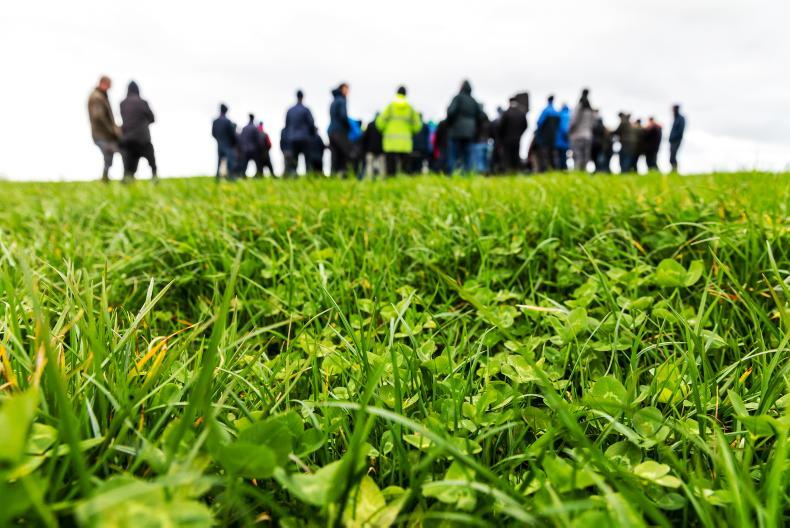
Grazing: more heavy rain on Wednesday has put a dampener on grazing once again.
Many farmers on drier soils are managing to get their cows out for a few hours a day, but it’s very difficult. Those on heavier soils have little hope. There are a couple of reasons to be positive though. Firstly, it’s still relatively early, and it’s better to have a wet February than a wet March.
Secondly, each day that passes is a day closer to better weather. Even if the weather remains unsettled for another while, drying conditions are improving with longer daylight hours. So, the key message is to not get disillusioned. We’ve had wet Februarys in the past that have turned into relatively good springs.
Keep doing the basics, monitor the driest parts of the farm and if you can stick your heel into the ground without breaking the sod, then there’s a good chance that cows can go out for a few hours. If they are to go out grazing, make sure they have an appetite for grass, and this means taking the cows away from silage for two hours or so before going to the paddock.
Feed: a number of farmers have been asking about how much meal to feed now, particularly where there is no grazing going on. For me, there are two answers to this. The first is the theoretical answer which looks at silage quality, milk yield, energy balance and protein intake.
If you’re to follow this path and get a nutritionist to do up a plan, they’ll probably come up with a diet containing 8kg or 9kg of meal, plus other feeds such as beet or maize and then soyabean meal to balance for protein. In theory, you’ll be fully feeding the cow and meeting her nutritional needs and minimising negative energy balance.
Plenty of people make their living selling this message and the inputs that go with it. On the other hand there is reality, which looks at the cost of all this feed, the milk price and the margin from dairy farming. In this scenario it is accepted that cows lose body condition score in spring, that bad weather doesn’t last forever and that as soon as conditions improve, cows will be out grazing, and grass is the best feed cows can eat.
In this situation farmers accept a lower milk yield now but with a lower cost diet. They feed the best quality silage in the yard and perhaps up to 4kg of meal where there is no grazing happening and perhaps 2kg of meal per cow per day where cows are getting grass. Cows are resilient and will bounce back from this period quickly.
Inside Dairy: on the Inside Dairy podcast this week we talk about milk fever prevention. The best option is to give extra magnesium before calving, and this is by far the cheapest and more effective method.
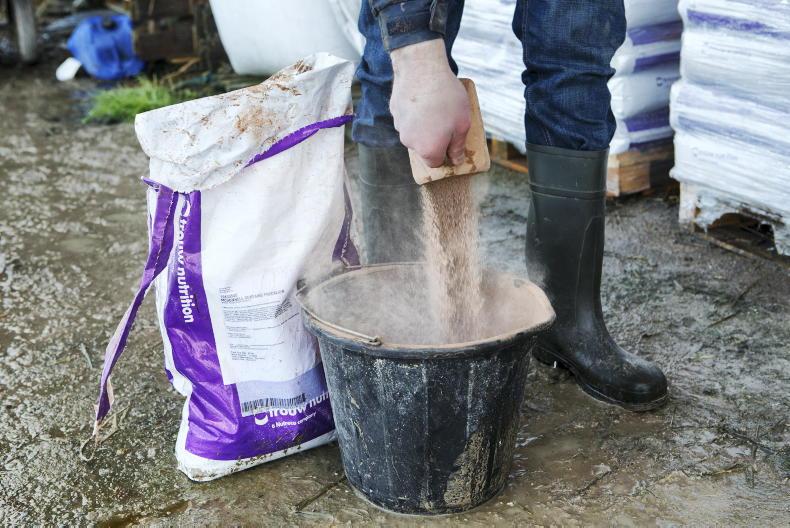
An additional 20g of magnesium should be fed per cow per day, in addition to the magnesium that is in the dry cow mineral. Magnesium chloride flakes can be added to the water trough, and they contain 12% magnesium and cost around 10c/cow/day while sweetened cal mag contains 33% magnesium and costs around 5c/cow/day and can be fed on top of the silage or ad lib from a container.
Grazing: more heavy rain on Wednesday has put a dampener on grazing once again.
Many farmers on drier soils are managing to get their cows out for a few hours a day, but it’s very difficult. Those on heavier soils have little hope. There are a couple of reasons to be positive though. Firstly, it’s still relatively early, and it’s better to have a wet February than a wet March.
Secondly, each day that passes is a day closer to better weather. Even if the weather remains unsettled for another while, drying conditions are improving with longer daylight hours. So, the key message is to not get disillusioned. We’ve had wet Februarys in the past that have turned into relatively good springs.
Keep doing the basics, monitor the driest parts of the farm and if you can stick your heel into the ground without breaking the sod, then there’s a good chance that cows can go out for a few hours. If they are to go out grazing, make sure they have an appetite for grass, and this means taking the cows away from silage for two hours or so before going to the paddock.
Feed: a number of farmers have been asking about how much meal to feed now, particularly where there is no grazing going on. For me, there are two answers to this. The first is the theoretical answer which looks at silage quality, milk yield, energy balance and protein intake.
If you’re to follow this path and get a nutritionist to do up a plan, they’ll probably come up with a diet containing 8kg or 9kg of meal, plus other feeds such as beet or maize and then soyabean meal to balance for protein. In theory, you’ll be fully feeding the cow and meeting her nutritional needs and minimising negative energy balance.
Plenty of people make their living selling this message and the inputs that go with it. On the other hand there is reality, which looks at the cost of all this feed, the milk price and the margin from dairy farming. In this scenario it is accepted that cows lose body condition score in spring, that bad weather doesn’t last forever and that as soon as conditions improve, cows will be out grazing, and grass is the best feed cows can eat.
In this situation farmers accept a lower milk yield now but with a lower cost diet. They feed the best quality silage in the yard and perhaps up to 4kg of meal where there is no grazing happening and perhaps 2kg of meal per cow per day where cows are getting grass. Cows are resilient and will bounce back from this period quickly.
Inside Dairy: on the Inside Dairy podcast this week we talk about milk fever prevention. The best option is to give extra magnesium before calving, and this is by far the cheapest and more effective method.
An additional 20g of magnesium should be fed per cow per day, in addition to the magnesium that is in the dry cow mineral. Magnesium chloride flakes can be added to the water trough, and they contain 12% magnesium and cost around 10c/cow/day while sweetened cal mag contains 33% magnesium and costs around 5c/cow/day and can be fed on top of the silage or ad lib from a container.







SHARING OPTIONS