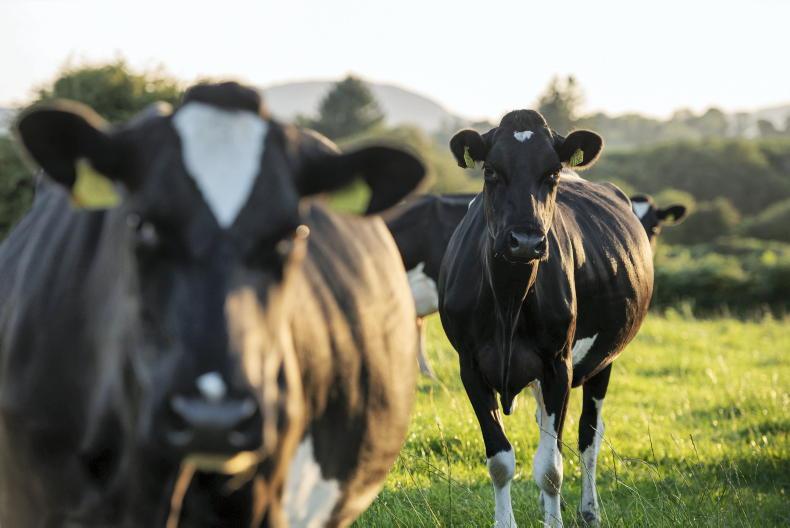
Grazing: November grazing is real bonus territory for most farmers, and grass growth this autumn has been really good. Growth rates in the low 30s is exceptional for early November. This is great, as it means farmers can continue grazing for longer than planned and still hit closing cover targets.
The challenge however, is ground conditions. Over the last week rainfall levels of between and and a half and two times the normal amount of rain has fallen over most of the country.
Low lying and marginal land is now saturated, while drier land is sticky at best. Many farmers have housed cows by night and plan to extend grazing by day for the next few weeks.
This approach makes sense, as grass in the diet will improve milk yield and constituents and reduce the workload in sheds. Damage must be avoided, and oftentimes it’s harder to avoid damage when cows are getting a lot of silage.
Cows that go to grass with full bellies tend to do a lot more walking than cows that go out with an appetite and are focused on grazing. To overcome this, some farmers let cows stand in the yard for an hour or more after milking and before turnout. Proper grass allocations are key – giving too big an area will lead to more damage. Use on/off grazing where necessary.
Drying off: at this stage cows in their first lactation will need to be dried off, particularly those calving in late January or early February. While mature cows can get 8-10 weeks dry, younger cows will need longer because they’re still growing and need longer to recover after their first lactation. Many find that the cows most at risk of not going in-calf in a herd are second calvers.
This is likely because they calved down in too low a body condition score because they didn’t get a long enough dry period. OK, the temptation is to milk cows on for as long as possible, but farmers should be thinking about the bigger picture.
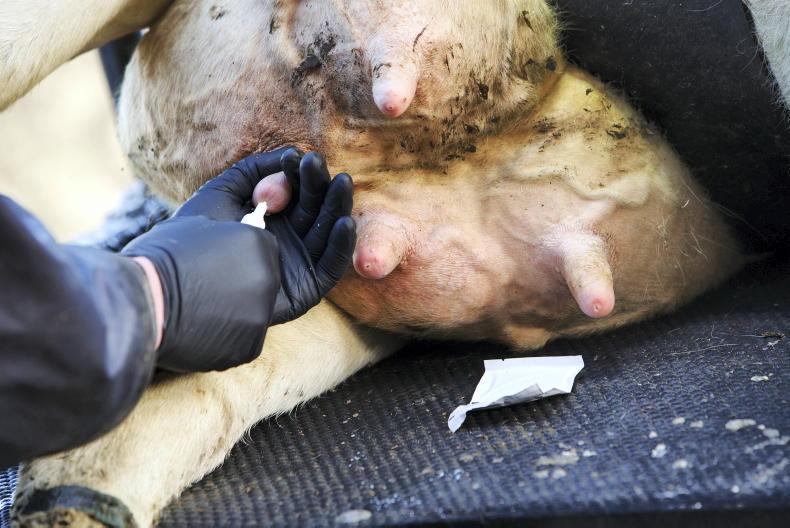
Other animals that benefit from a longer dry period are lame cows, thin cows and high SCC cows. The only way to lengthen the dry period is to start it earlier, and putting these cows on a long holiday will help them to build body condition score and allow udder infections to cure.
Dairy Day: the full line-up of speakers and sessions is published on page three of the free Dairy Day supplement. Dairy Day is taking place on Saturday 15 November at UL Sports Arena (Eircode V94XT66) with the doors opening at 9am and the first talks kicking off at 10.30am.
It’s an event not to be missed, with one of the key sessions on managing grazing during dry spells in summer. This session will hear from New Zealand farmer Simon Lynskey, Teagasc researcher Brendan Horan and reigning Grassland Farmer of the Year Mike Ahern about best practice for managing summer dry spells.
Tickets cost €20, with subscribers and regular readers getting a 50% discount by using the promo code DAIRY10. Tickets can be booked online at www.ifj.ie/dairyday. The event is supported by Bord Bia, Ornua and the National Dairy Council.
Grazing: November grazing is real bonus territory for most farmers, and grass growth this autumn has been really good. Growth rates in the low 30s is exceptional for early November. This is great, as it means farmers can continue grazing for longer than planned and still hit closing cover targets.
The challenge however, is ground conditions. Over the last week rainfall levels of between and and a half and two times the normal amount of rain has fallen over most of the country.
Low lying and marginal land is now saturated, while drier land is sticky at best. Many farmers have housed cows by night and plan to extend grazing by day for the next few weeks.
This approach makes sense, as grass in the diet will improve milk yield and constituents and reduce the workload in sheds. Damage must be avoided, and oftentimes it’s harder to avoid damage when cows are getting a lot of silage.
Cows that go to grass with full bellies tend to do a lot more walking than cows that go out with an appetite and are focused on grazing. To overcome this, some farmers let cows stand in the yard for an hour or more after milking and before turnout. Proper grass allocations are key – giving too big an area will lead to more damage. Use on/off grazing where necessary.
Drying off: at this stage cows in their first lactation will need to be dried off, particularly those calving in late January or early February. While mature cows can get 8-10 weeks dry, younger cows will need longer because they’re still growing and need longer to recover after their first lactation. Many find that the cows most at risk of not going in-calf in a herd are second calvers.
This is likely because they calved down in too low a body condition score because they didn’t get a long enough dry period. OK, the temptation is to milk cows on for as long as possible, but farmers should be thinking about the bigger picture.
Other animals that benefit from a longer dry period are lame cows, thin cows and high SCC cows. The only way to lengthen the dry period is to start it earlier, and putting these cows on a long holiday will help them to build body condition score and allow udder infections to cure.
Dairy Day: the full line-up of speakers and sessions is published on page three of the free Dairy Day supplement. Dairy Day is taking place on Saturday 15 November at UL Sports Arena (Eircode V94XT66) with the doors opening at 9am and the first talks kicking off at 10.30am.
It’s an event not to be missed, with one of the key sessions on managing grazing during dry spells in summer. This session will hear from New Zealand farmer Simon Lynskey, Teagasc researcher Brendan Horan and reigning Grassland Farmer of the Year Mike Ahern about best practice for managing summer dry spells.
Tickets cost €20, with subscribers and regular readers getting a 50% discount by using the promo code DAIRY10. Tickets can be booked online at www.ifj.ie/dairyday. The event is supported by Bord Bia, Ornua and the National Dairy Council.








SHARING OPTIONS