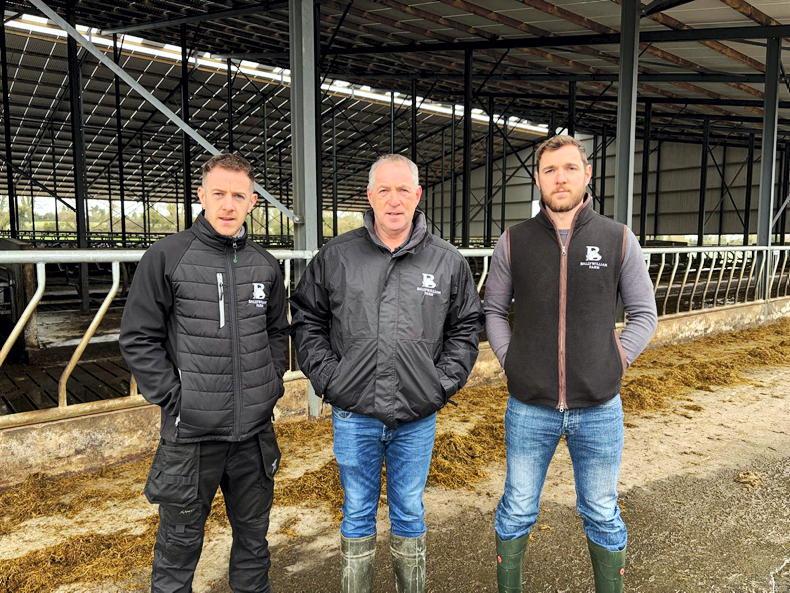
Stephen and Kevin Connolly are milking 400 cows in partnership with their parents Joe and Maria on their 230ha farm near Coolderry, Co Offaly.
Originally beef farmers, the Connolly family previously ran over 100 suckler cows on a mix of owned and rented land. Joe, who is a keen machinery enthusiast, was also running a contracting business on the side.
From early on, it was clear to Joe and Maria that both sons were interested in farming and they knew a farm with significant scale could provide opportunities for all involved.
In 2008 when an opportunity came up to purchase a 103ha farm in the local area, the Connollys jumped at the chance.
This meant selling the home farm to purchase the new block but since that day they haven’t looked back.
It was decided early on that dairy farming was going to be the best option to generate enough money to pay for the farm and so in 2011, starting with just 60 cows and a basic milking parlour, the Connolly’s began their dairying venture.
Things were far from glamorous at the start, cows were outwintered initially and the only infrastructure on the farm was the 15-unit milking parlour.
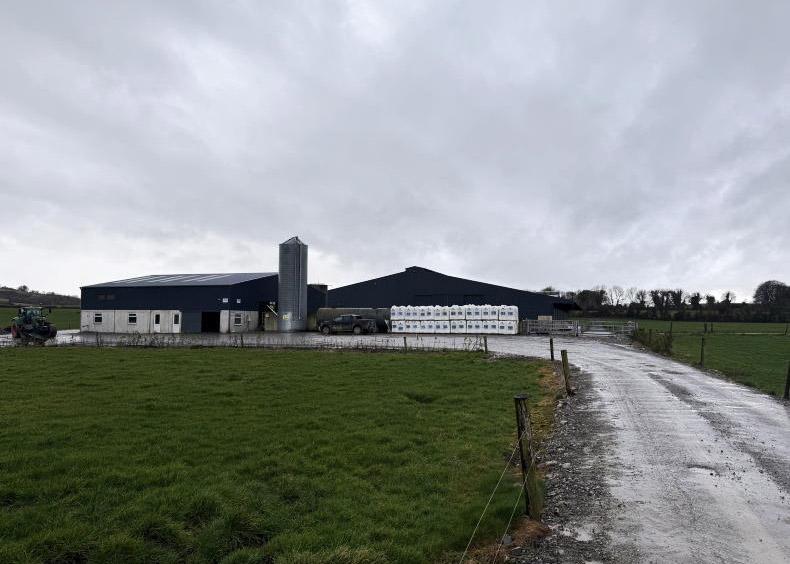
Today the picture is very different. The yard boasts 484 cubicles, a top-class calf shed with excellent calving facilities and a 44-unit rotary milking parlour.
As it was a greenfield site, the Connolly’s were able to put their own stamp on the place and this is something they have enjoyed doing.
“We were lucky in a way that we came on to a greenfield site. It allowed us to develop the yard in our own way. We had several discussion groups out to give us advice on different planning ideas and we listened to everything.
“In the beginning it was tough going but we’ve been improving facilities as we went along. Up until 2023, most of the cubicles were topless and we hadn’t great calving or calf-rearing facilities. Now we’re in a much better place.” Stephen said.
This spring they will calve down 410 cows, with the plan being to milk exactly 400.
The current milking platform is 150ha, of which 50ha is leased giving a platform stocking rate of 2.67 cows/ha. There’s a further 80ha of outblocks that are used for making silage and rearing heifers.
At the time of writing 275 cows had calved – calving started on 20 January.
The actual due date was 28 January but a large proportion of the synchronised heifers came earlier than expected.
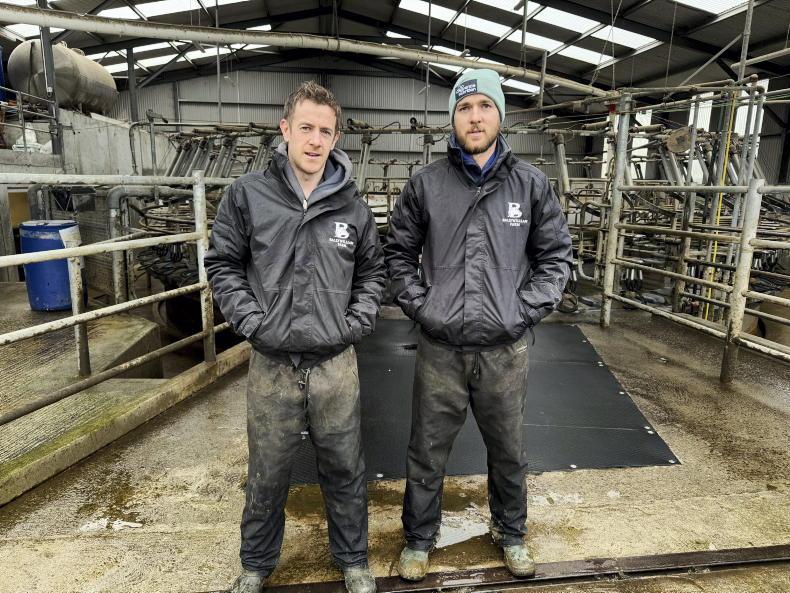
Kevin and Stephen Connolly
The herd started out in 2011 with British Friesian cows and after experimenting with Jersey breeding for a number of years in between, the focus is now on using high EBI Holstein Friesian genetics.
The Jersey genetics used for a number of years are still evident in the herd today and cow size is still small relative to a typical Holstein Friesian cow.
Sexed semen is used on the highest EBI cows in the herd, provided they are from first to third lactation.
This year just over approximately 80 cows will calve to sexed semen, with the rest of the herd in-calf to beef bulls.
The beef bulls used are a mix of easy-calving Belgian Blues, Charollais and some Hereford bulls. The Connollys have regular customers for their beef calves with calves often sold before they hit the ground.
The majority of the cows calve with no intervention needed, but on the occasion that they do, the Charolais are without doubt the most difficult calvings, according to Stephen.
Since 1 February, cows have been on/off grazing at least once a day, every day.
The farm is a mix of heavy peaty soils on one half with some lighter and drier clay loam soils on the other and therefore selecting the right paddocks to graze in early spring can be a challenge.
The Connollys follow the typical spring rotation planner with a target of 30% of total platform area grazed by the end of February.

A spur roadway used last week on the farm for on/off grazing
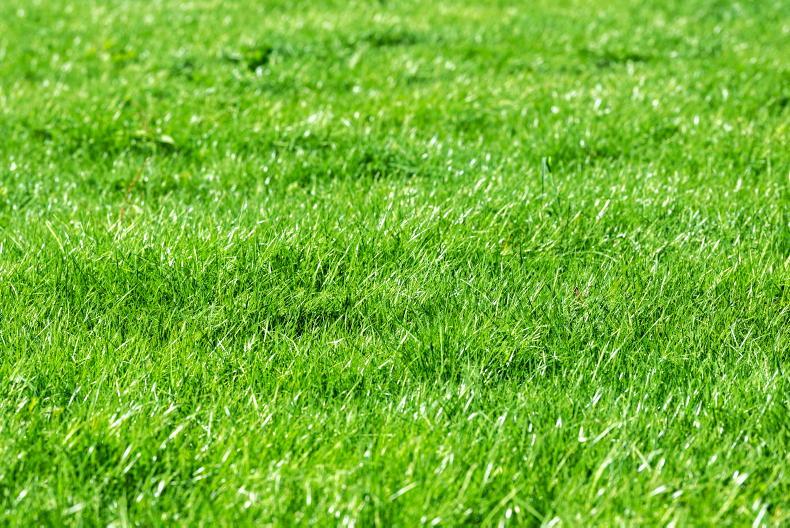
The farm opened with an average farm cover of 1,000kg DM/ha and to date just over 14% of the platform has been grazed with minimal poaching done and reasonably good clean outs for the time of year.
The cows are held in the yard for an hour after everything has been milked, before being turned out. They get no silage in that time to ensure they have an appetite when they get to the paddock.
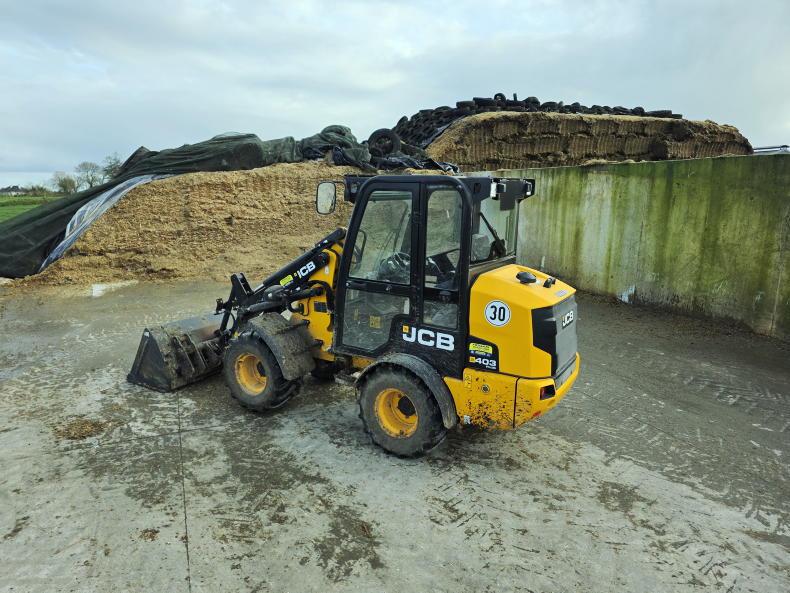
After the evening grazing, cows are given the option of a few kilos of silage at housing.
“Getting grass into the cows is so important to us. It’s the best feed they can get in terms of energy content and it’s coming at a time when they need as much energy as they can get.
“We still like to offer some silage at night to make sure animals are hitting their intakes, particularly the heifers and those cows fresh after calving as they are just adjusting back to the routine of grazing and usually need some extra dry matter,” explained Stephen.
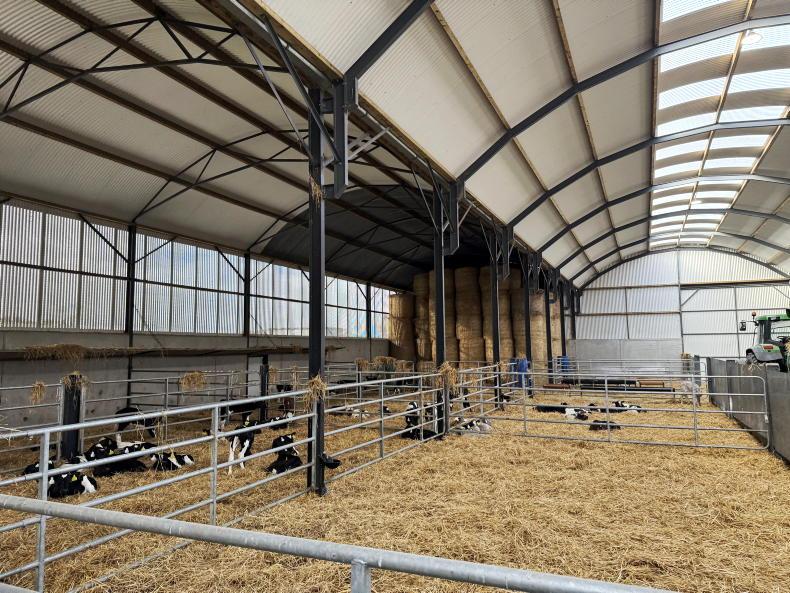
The new calf shed on the farm that was built in 2024. The shed can accommodate well over 200 calves.
In terms of nutrient management, 80% of the area grazed so far has gotten 2,500 gallons/acre of slurry. The plan is to continue covering grazed paddocks with slurry and anything that hasn’t been grazed by 20 February will get 23 units of urea.
As former contractors, the Connollys have continued to look after their own machinery work on the farm. This is helpful they say, as it allows them to get fertiliser and slurry out or silage cut, whenever they feel the timing and weather conditions are optimal.
The farm is very much still a family business. Stephen takes care of most of the work with stock and grass; Joe looks after most of the machinery work and Kevin splits his time between both.
While not on the farm full-time, Maria is also heavily involved and looks after all the calf registering and paperwork for the business.
Kieran Coonan and Diarmuid Delaney are the only non-family members of the team and work Monday to Friday, all year around.
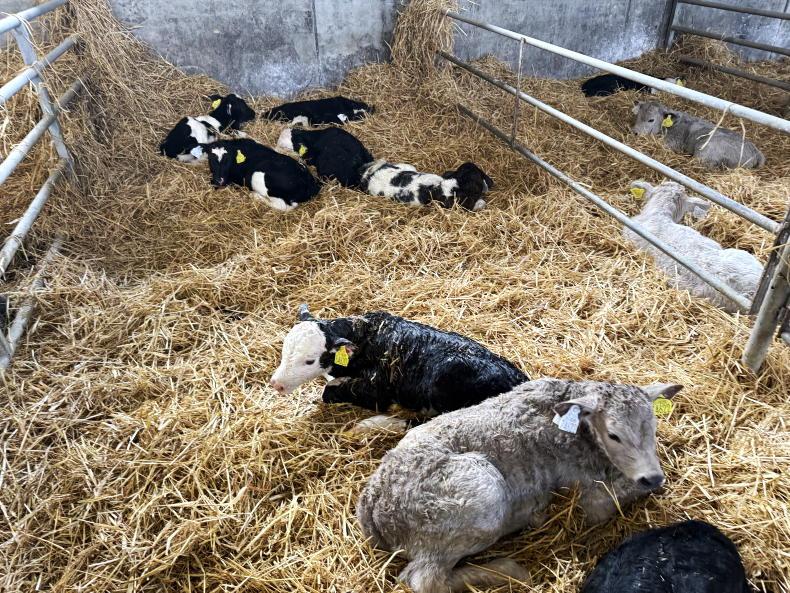
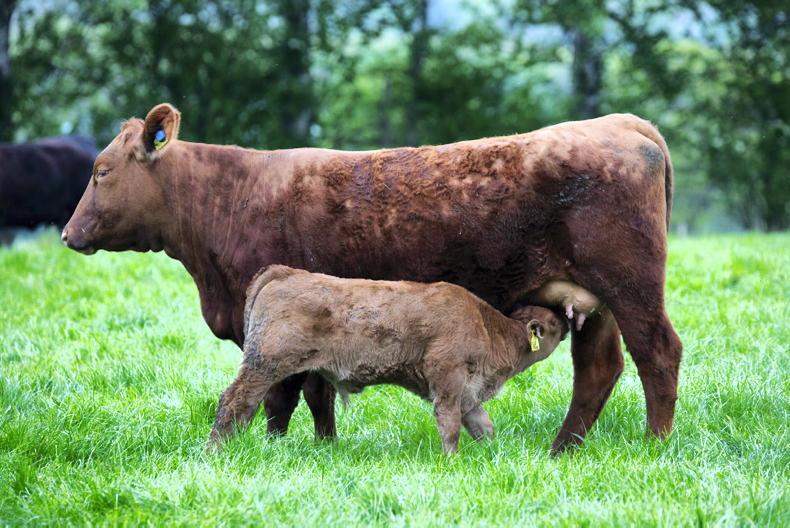
Newborn calves on the farm. The bulls used are a mix of sexed dairy bulls, and easy calving Belgian Blues, Charolais and Hereford beef bulls.
The hours are kept as strict as possible in order to keep everyone happy in their role and to remain competitive with employers from other industries. The day starts with morning milking at 7am and the evening milking at 3am.
All jobs on the farm are finished by 5pm, with Stephen and Kevin sharing the evening and night calving checks during the spring months.
Once calving is over Stephen and Kevin fall back into a rota of every second weekend off.
The exceptional facilities on the farm make for a very efficient working environment.
They have also been vital in the attraction and retention of staff, according to both Stephen and Kevin.
The farm was purchased in 2008 with the first cows milked in 2011. Today the Connollys are milking 400 cows on a 150ha milking platform.There are 275 cows calved. The cows have been out to grass on/off grazing since 1 February.The herd EBI is 174. In 2025 cows produced 520kg MS at 4.68% F and 3.82% P off 1t meal/cow.The farm opened with an average farm cover of 1,000kg DM/ha and 14% of the milking platform has been grazed to date.There are five people working on the farm full-time. Milking starts at 7am with all jobs finished by 5pm. This strict routine helps to retain staff and keep everyone motivated.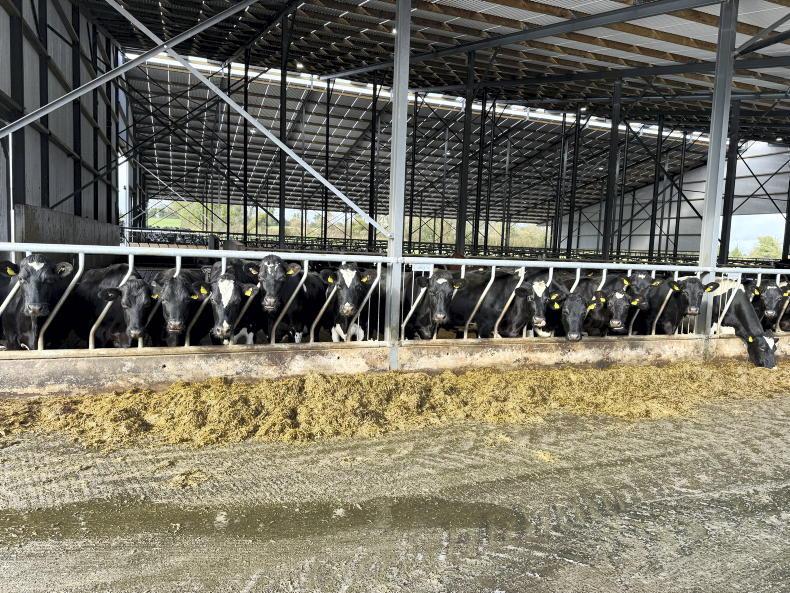
Dry cows feeding in the newly-roofed cubicle shed

Connollys
Connolly family
Stephen and Kevin Connolly are milking 400 cows in partnership with their parents Joe and Maria on their 230ha farm near Coolderry, Co Offaly.
Originally beef farmers, the Connolly family previously ran over 100 suckler cows on a mix of owned and rented land. Joe, who is a keen machinery enthusiast, was also running a contracting business on the side.
From early on, it was clear to Joe and Maria that both sons were interested in farming and they knew a farm with significant scale could provide opportunities for all involved.
In 2008 when an opportunity came up to purchase a 103ha farm in the local area, the Connollys jumped at the chance.
This meant selling the home farm to purchase the new block but since that day they haven’t looked back.
It was decided early on that dairy farming was going to be the best option to generate enough money to pay for the farm and so in 2011, starting with just 60 cows and a basic milking parlour, the Connolly’s began their dairying venture.
Things were far from glamorous at the start, cows were outwintered initially and the only infrastructure on the farm was the 15-unit milking parlour.
Today the picture is very different. The yard boasts 484 cubicles, a top-class calf shed with excellent calving facilities and a 44-unit rotary milking parlour.
As it was a greenfield site, the Connolly’s were able to put their own stamp on the place and this is something they have enjoyed doing.
“We were lucky in a way that we came on to a greenfield site. It allowed us to develop the yard in our own way. We had several discussion groups out to give us advice on different planning ideas and we listened to everything.
“In the beginning it was tough going but we’ve been improving facilities as we went along. Up until 2023, most of the cubicles were topless and we hadn’t great calving or calf-rearing facilities. Now we’re in a much better place.” Stephen said.
This spring they will calve down 410 cows, with the plan being to milk exactly 400.
The current milking platform is 150ha, of which 50ha is leased giving a platform stocking rate of 2.67 cows/ha. There’s a further 80ha of outblocks that are used for making silage and rearing heifers.
At the time of writing 275 cows had calved – calving started on 20 January.
The actual due date was 28 January but a large proportion of the synchronised heifers came earlier than expected.
Kevin and Stephen Connolly
The herd started out in 2011 with British Friesian cows and after experimenting with Jersey breeding for a number of years in between, the focus is now on using high EBI Holstein Friesian genetics.
The Jersey genetics used for a number of years are still evident in the herd today and cow size is still small relative to a typical Holstein Friesian cow.
Sexed semen is used on the highest EBI cows in the herd, provided they are from first to third lactation.
This year just over approximately 80 cows will calve to sexed semen, with the rest of the herd in-calf to beef bulls.
The beef bulls used are a mix of easy-calving Belgian Blues, Charollais and some Hereford bulls. The Connollys have regular customers for their beef calves with calves often sold before they hit the ground.
The majority of the cows calve with no intervention needed, but on the occasion that they do, the Charolais are without doubt the most difficult calvings, according to Stephen.
Since 1 February, cows have been on/off grazing at least once a day, every day.
The farm is a mix of heavy peaty soils on one half with some lighter and drier clay loam soils on the other and therefore selecting the right paddocks to graze in early spring can be a challenge.
The Connollys follow the typical spring rotation planner with a target of 30% of total platform area grazed by the end of February.
A spur roadway used last week on the farm for on/off grazing
The farm opened with an average farm cover of 1,000kg DM/ha and to date just over 14% of the platform has been grazed with minimal poaching done and reasonably good clean outs for the time of year.
The cows are held in the yard for an hour after everything has been milked, before being turned out. They get no silage in that time to ensure they have an appetite when they get to the paddock.
After the evening grazing, cows are given the option of a few kilos of silage at housing.
“Getting grass into the cows is so important to us. It’s the best feed they can get in terms of energy content and it’s coming at a time when they need as much energy as they can get.
“We still like to offer some silage at night to make sure animals are hitting their intakes, particularly the heifers and those cows fresh after calving as they are just adjusting back to the routine of grazing and usually need some extra dry matter,” explained Stephen.
The new calf shed on the farm that was built in 2024. The shed can accommodate well over 200 calves.
In terms of nutrient management, 80% of the area grazed so far has gotten 2,500 gallons/acre of slurry. The plan is to continue covering grazed paddocks with slurry and anything that hasn’t been grazed by 20 February will get 23 units of urea.
As former contractors, the Connollys have continued to look after their own machinery work on the farm. This is helpful they say, as it allows them to get fertiliser and slurry out or silage cut, whenever they feel the timing and weather conditions are optimal.
The farm is very much still a family business. Stephen takes care of most of the work with stock and grass; Joe looks after most of the machinery work and Kevin splits his time between both.
While not on the farm full-time, Maria is also heavily involved and looks after all the calf registering and paperwork for the business.
Kieran Coonan and Diarmuid Delaney are the only non-family members of the team and work Monday to Friday, all year around.
Newborn calves on the farm. The bulls used are a mix of sexed dairy bulls, and easy calving Belgian Blues, Charolais and Hereford beef bulls.
The hours are kept as strict as possible in order to keep everyone happy in their role and to remain competitive with employers from other industries. The day starts with morning milking at 7am and the evening milking at 3am.
All jobs on the farm are finished by 5pm, with Stephen and Kevin sharing the evening and night calving checks during the spring months.
Once calving is over Stephen and Kevin fall back into a rota of every second weekend off.
The exceptional facilities on the farm make for a very efficient working environment.
They have also been vital in the attraction and retention of staff, according to both Stephen and Kevin.
The farm was purchased in 2008 with the first cows milked in 2011. Today the Connollys are milking 400 cows on a 150ha milking platform.There are 275 cows calved. The cows have been out to grass on/off grazing since 1 February.The herd EBI is 174. In 2025 cows produced 520kg MS at 4.68% F and 3.82% P off 1t meal/cow.The farm opened with an average farm cover of 1,000kg DM/ha and 14% of the milking platform has been grazed to date.There are five people working on the farm full-time. Milking starts at 7am with all jobs finished by 5pm. This strict routine helps to retain staff and keep everyone motivated.
Dry cows feeding in the newly-roofed cubicle shed
Connollys
Connolly family







SHARING OPTIONS