As we cross the halfway mark in April, attention on farms is starting to turn towards breeding.
The typical spring-calving herd will be planning to start inseminating cows from the start of May on, with the target of starting calving at the beginning of February next year.
For many, the dates are a matter of routine and tradition but what’s the real reason for these particular dates?
Essentially, the 1 February calving date was chosen to coincide with the Irish grass curve.
Small numbers of cows would begin grazing after calving in early February, and this would build up gradually as the calving season wore on.
The targets of a third of the platform grazed by the end of February, a third by St. Patrick’s Day and a third by the first week of April, would be checked off as more cows calved. The second rotation would begin when growth starts to exceed demand – magic day.
This makes perfect sense and was designed to make the farm as profitable as it can be, by maximising grass intake and keeping supplement feeding levels low.
In principle this is still the right thing to do. However, as genetics have improved on farms, calving has gotten more compact and cow’s intakes have increased as their production has improved. On top of this stocking rates for the most part have seen an increase on farms.
With all of this considered, it’s easy to see that the demand for grass in early spring has gone up. Unfortunately, this increase in demand is not being matched by an increase in grass grown.
In fact, farms are probably growing less grass in early spring, as less nitrogen is being spread early in the year.
The end result is farmers feeding more silage and meal during the first rotation at significantly higher cost.
What’s the right start date?
Every farm is different so there’s no right start date that can be assigned across the board.
Individual farms need to look at the information and whatever data they have on their own farm and make a judgement call accordingly.
This decision should not be based on one year alone however. It must be based on the average over a number of years.
If the farm is consistently surpassing the first rotation targets and running out of grass before magic day, the likelihood is the calving date is too early.
If the farm is resorting to feeding high levels of meal and silage during the first rotation in order to make grass last until the magic day, again calving start date is probably too early.
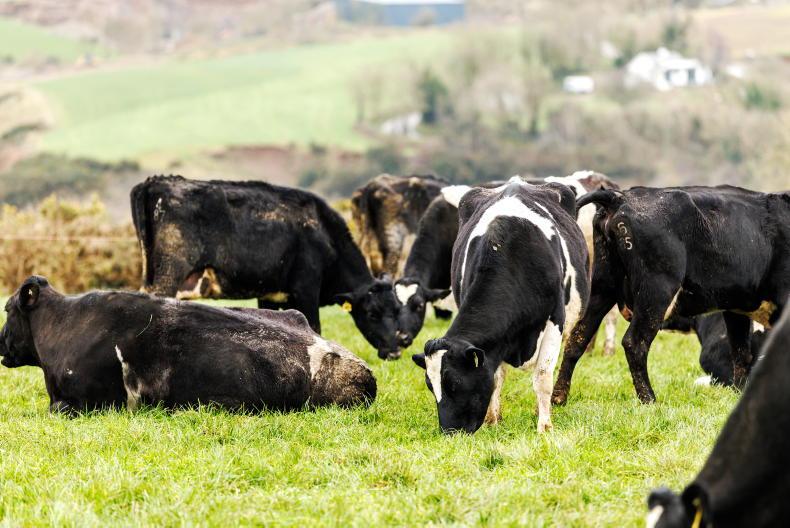
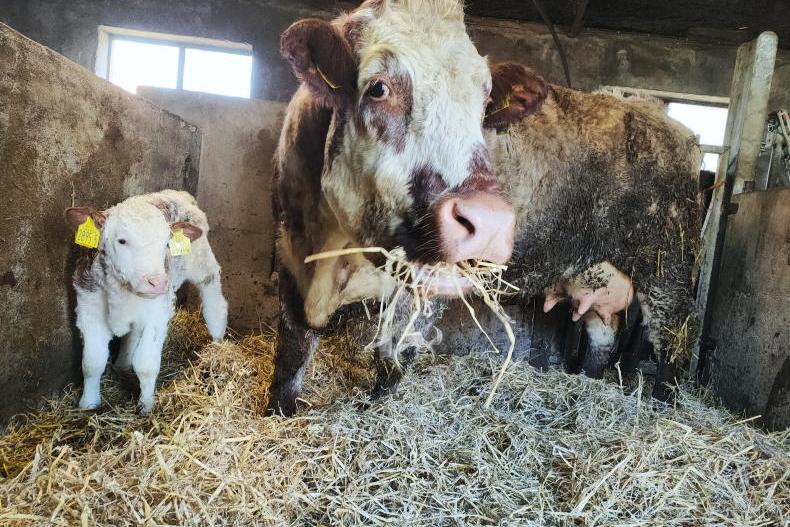
By delaying breeding and subsequently calving, more effort may be required in February to get through area grazed with less cows calved. \ Philip Doyle
Aside from the cost of supplementing cows, there is also the negative impact that feeding silage in the month of March and April, is having on peak milk production.
Pushing back breeding start date in this situation by just five or six days, can have a significant impact on a farm that wants to be more profitable and supply more milk from grass.
It’s all about shifting the average or mean calving date back a few days to coincide better with the grass growth curve.
Some farms on heavier land types have already started adapting to a calving start date as late as the 10 or 15 February, but this is different. This is to accommodate a later start date of the second round of grazing.
These farms are still aiming to start the second round just over two months on from the beginning of calving.
What’s been discussed above is to start calving slightly later, in order to push mean calving date back which in turn will shorten the time between calving start and the beginning of the second round of grazing. This shorter time frame will mean less pressure on extending grazing.
Research
Some early-stage research being carried out by Teagasc, is showing that by moving the mean calving date of the herd from say, 21 February to 1 March as an example, is reducing the level of supplement fed on the farm but even more importantly, the amount milk solids produced per cow remains the same.
The result of this is improved profitability for the business.
To achieve this, the farm will need to be clear on still achieving the first rotation targets with a later calving date. This will likely mean more effort to get area grazed in February but less supplement fed in the month of March.
It won’t be for everyone but it’s something worth considering and it can be phased in gradually over time to see if it’s beneficial.
Delaying breeding by just four or five days will have a significant effect so it must be considered carefully.
As we cross the halfway mark in April, attention on farms is starting to turn towards breeding.
The typical spring-calving herd will be planning to start inseminating cows from the start of May on, with the target of starting calving at the beginning of February next year.
For many, the dates are a matter of routine and tradition but what’s the real reason for these particular dates?
Essentially, the 1 February calving date was chosen to coincide with the Irish grass curve.
Small numbers of cows would begin grazing after calving in early February, and this would build up gradually as the calving season wore on.
The targets of a third of the platform grazed by the end of February, a third by St. Patrick’s Day and a third by the first week of April, would be checked off as more cows calved. The second rotation would begin when growth starts to exceed demand – magic day.
This makes perfect sense and was designed to make the farm as profitable as it can be, by maximising grass intake and keeping supplement feeding levels low.
In principle this is still the right thing to do. However, as genetics have improved on farms, calving has gotten more compact and cow’s intakes have increased as their production has improved. On top of this stocking rates for the most part have seen an increase on farms.
With all of this considered, it’s easy to see that the demand for grass in early spring has gone up. Unfortunately, this increase in demand is not being matched by an increase in grass grown.
In fact, farms are probably growing less grass in early spring, as less nitrogen is being spread early in the year.
The end result is farmers feeding more silage and meal during the first rotation at significantly higher cost.
What’s the right start date?
Every farm is different so there’s no right start date that can be assigned across the board.
Individual farms need to look at the information and whatever data they have on their own farm and make a judgement call accordingly.
This decision should not be based on one year alone however. It must be based on the average over a number of years.
If the farm is consistently surpassing the first rotation targets and running out of grass before magic day, the likelihood is the calving date is too early.
If the farm is resorting to feeding high levels of meal and silage during the first rotation in order to make grass last until the magic day, again calving start date is probably too early.
By delaying breeding and subsequently calving, more effort may be required in February to get through area grazed with less cows calved. \ Philip Doyle
Aside from the cost of supplementing cows, there is also the negative impact that feeding silage in the month of March and April, is having on peak milk production.
Pushing back breeding start date in this situation by just five or six days, can have a significant impact on a farm that wants to be more profitable and supply more milk from grass.
It’s all about shifting the average or mean calving date back a few days to coincide better with the grass growth curve.
Some farms on heavier land types have already started adapting to a calving start date as late as the 10 or 15 February, but this is different. This is to accommodate a later start date of the second round of grazing.
These farms are still aiming to start the second round just over two months on from the beginning of calving.
What’s been discussed above is to start calving slightly later, in order to push mean calving date back which in turn will shorten the time between calving start and the beginning of the second round of grazing. This shorter time frame will mean less pressure on extending grazing.
Research
Some early-stage research being carried out by Teagasc, is showing that by moving the mean calving date of the herd from say, 21 February to 1 March as an example, is reducing the level of supplement fed on the farm but even more importantly, the amount milk solids produced per cow remains the same.
The result of this is improved profitability for the business.
To achieve this, the farm will need to be clear on still achieving the first rotation targets with a later calving date. This will likely mean more effort to get area grazed in February but less supplement fed in the month of March.
It won’t be for everyone but it’s something worth considering and it can be phased in gradually over time to see if it’s beneficial.
Delaying breeding by just four or five days will have a significant effect so it must be considered carefully.






SHARING OPTIONS