


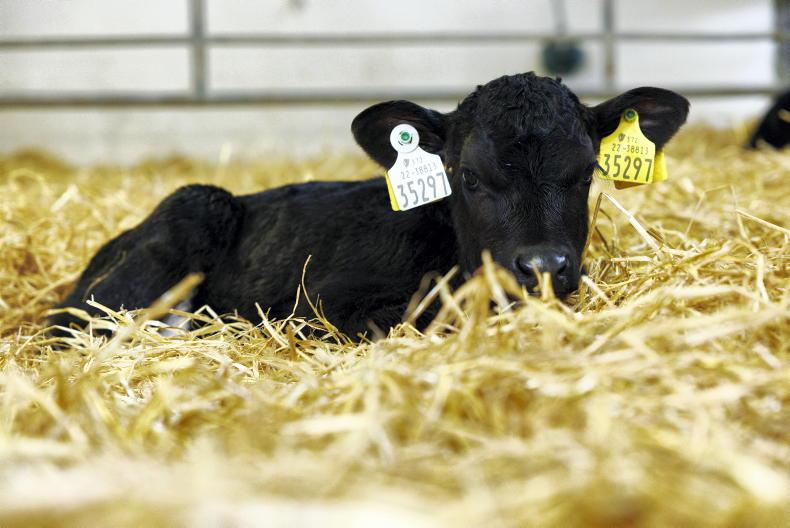
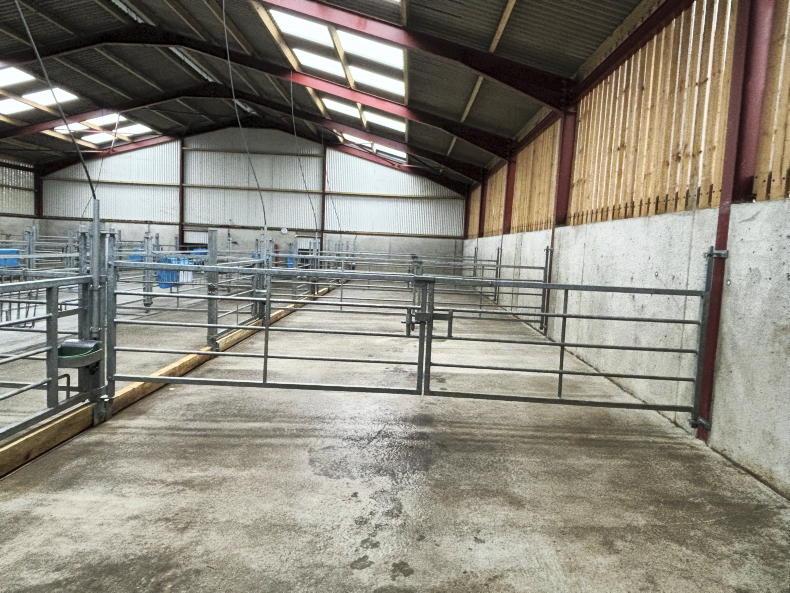
Calving is less than a month away for the majority of spring-calving herds across the country, so now is a good time to start getting the prep work done.
In this article, we’re looking at three key areas that should be looked at on every dairy farm over the coming weeks.
Now is the time to ensure the facilities are in proper order before the rush begins.
Cleanliness
The first and most important part of any good calf-rearing facility is in making sure it’s clean.
Freshly-born calves are a very delicate animal. Until that first feed of colostrum, the calf has practically no immunity of any sort built up and is highly vulnerable to disease.
If that calf’s first few days of life are spent in a shed full of bacteria, the likelihood of that calf picking up an infection is high.
For that reason, it’s vital to ensure that both the calving shed and the calf house are as close as possible to spotless. Once calves start to fill the shed, it will be very difficult to get another thorough clean done.
Best advice is to power-wash the shed from top to bottom first and then let it dry. Once the shed is dry, a strong disinfectant mixed at the correct rate should be applied using a knapsack.
Some farmers like to use lime to kill off bacteria and this can be beneficial, particularly during the calving period when the shed is full and there’s no chance to wash it again.
Once the shed is dry again after disinfection, the fresh bed of straw can be applied.
Feeders
If there’s an automatic calf feeder on the farm, having it serviced and ready to go will make life easier when the calves start dropping.
Depending on the type of milk replacer that’s used, the feeder may need to be calibrated differently. Therefore, if there’s any change to the product being used, make sure to read the recommended mixing rate on the label for that product.
With an automatic calf feeder, the recommendation is 25 to 30 calves per station, depending on the brand of feeder. Overstocking the shed and the feeder will result in calves not getting enough intake and the result will be stunted development.
For the traditional calf feeders that hang over the gate, there’s little preparation work needed except for a good cleaning and sterilisation process. Once there’s enough of these on the farm, it’s a fairly straightforward process.
Necessities
Last but not least is having milk replacer ordered for calves and the other necessities such as vaccinations, iodine and tags sourced in good time. It’s always good to be ahead of the game in this regard.
Once calving is in full flow, time seems to just speed up and rushing in and out to the local co-op store is something no-one needs.
Colostrum and how it’s handled is always a debate at calf events and open days during the spring. A handy method for proper storage is plastic kitchen bags. That way, the surface area is larger and they can be frozen and thawed quickly.
Once the bag is taken out of the freezer it can be placed in a Burco boiler to thaw. The temperature in the boiler should be set around 40C. That way the colostrum can be thawed without denaturing the proteins.
Getting these simple things in place early will make the calf-rearing process much less stressful for everyone.


SHARING OPTIONS