Bulls remain some of the most dangerous livestock that farmers deal with. Martin Merrick advises on best practice to reduce risk of injury or death when it comes to handling them.
Stock bulls can be become more aggressive with age. The quality of calves or the cost of a bull should not factor in to whether or not they should be culled with regards to safety.
ADVERTISEMENT
Attacks from bulls accounted for 24% of all fatalities involving livestock in Ireland between 2014 and 2023, according to the Health and Safety Authority (HSA) records. It’s by no means a new trend, with stock bulls (both dairy and beef) being some of the most dangerous stock types that farmers have to deal with. Working with livestock will always pose a safety risk, as they have a mind of their own, but risks can be reduced through certain steps.
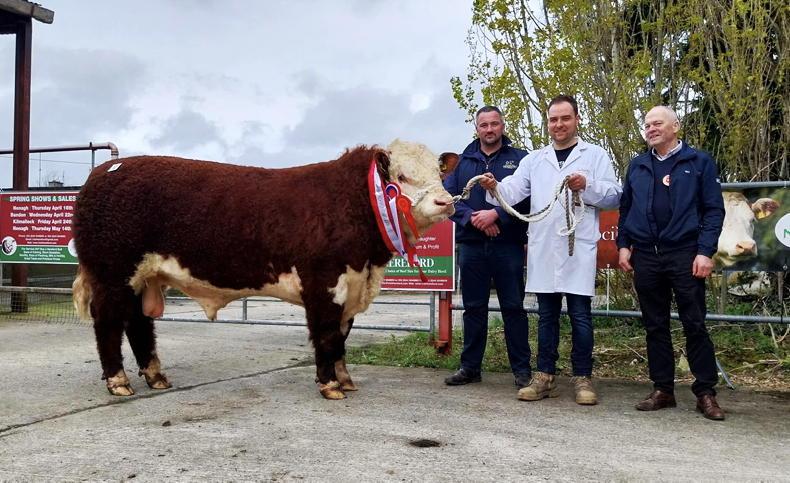
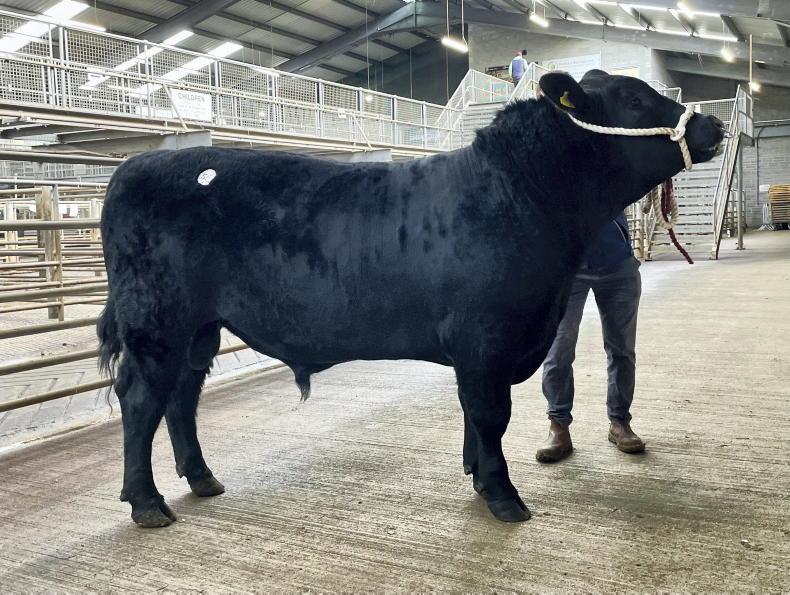
Positive relationship: from an early age the bull should learn to associate the presence of people with pleasant things, such as feeding, grooming and exercise. Overuse of force when loading and handling bulls should be avoided. Coaxing bulls to crushes/hoof crates with meal is advisable.
Keep a ring on it: all bulls should be ringed when 10 months old, and the ring should be examined regularly. It is advised to have a strong chain attached to the ring, reaching down to ground level
Culling aggressive bulls: know when it is time to cull a bull. As bulls get older, they can sometimes become more aggressive. Do not take in to account the cost of replacing the bull or the quality of calves that the current bull is leaving in your herd. If they are aggressive, then they should not remain on-farm.
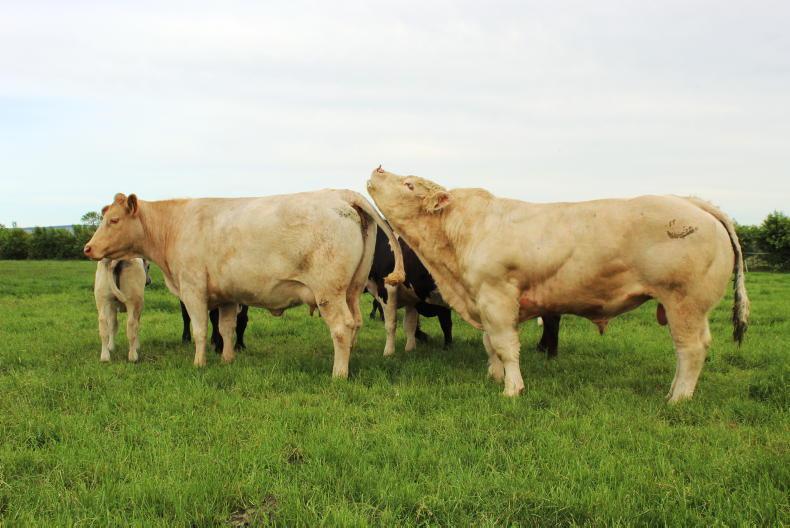
Herding with a vehicle: during the breeding season, cattle that are being checked where there is a bull present should only be done so from the safety of a vehicle (farm jeep, tractor). This way, even if you exit the vehicle for closer inspection, you have access to a sanctuary if danger occurs.
Suitable accommodation: a well-designed bull pen is essential for managing a bull when it is away from the herd. The design should allow the stockman to feed and bed the bull without entering the pen. The ideal set up is where the bull can be shut into an exercise yard to allow for bedding/cleaning out, or held in a self-locking barrier. A bull pen should be located where the bull can see other animals. On dairy farms the pen should be located where the bull can see cows going to and from the parlour or paddocks.
Public and children: a safety sign warning of a bull’s presence should be displayed adjacent to public places, particularly at gateways. Children should not have access to a bull in a field/shed at any time.
ADVERTISEMENT
Register for free to read this story and our free stories.
This content is available to digital subscribers and loyalty code users only. Sign in to your account, use the code or subscribe to get unlimited access.
The reader loyalty code gives you full access to the site from when you enter it until the following Wednesday at 9pm. Find your unique code on the back page of Irish Country Living every week.
CODE ACCEPTED
You have full access to the site until next Wednesday at 9pm.
CODE NOT VALID
Please try again or contact support.
Attacks from bulls accounted for 24% of all fatalities involving livestock in Ireland between 2014 and 2023, according to the Health and Safety Authority (HSA) records. It’s by no means a new trend, with stock bulls (both dairy and beef) being some of the most dangerous stock types that farmers have to deal with. Working with livestock will always pose a safety risk, as they have a mind of their own, but risks can be reduced through certain steps.
Positive relationship: from an early age the bull should learn to associate the presence of people with pleasant things, such as feeding, grooming and exercise. Overuse of force when loading and handling bulls should be avoided. Coaxing bulls to crushes/hoof crates with meal is advisable.
Keep a ring on it: all bulls should be ringed when 10 months old, and the ring should be examined regularly. It is advised to have a strong chain attached to the ring, reaching down to ground level
Culling aggressive bulls: know when it is time to cull a bull. As bulls get older, they can sometimes become more aggressive. Do not take in to account the cost of replacing the bull or the quality of calves that the current bull is leaving in your herd. If they are aggressive, then they should not remain on-farm.
Herding with a vehicle: during the breeding season, cattle that are being checked where there is a bull present should only be done so from the safety of a vehicle (farm jeep, tractor). This way, even if you exit the vehicle for closer inspection, you have access to a sanctuary if danger occurs.
Suitable accommodation: a well-designed bull pen is essential for managing a bull when it is away from the herd. The design should allow the stockman to feed and bed the bull without entering the pen. The ideal set up is where the bull can be shut into an exercise yard to allow for bedding/cleaning out, or held in a self-locking barrier. A bull pen should be located where the bull can see other animals. On dairy farms the pen should be located where the bull can see cows going to and from the parlour or paddocks.
Public and children: a safety sign warning of a bull’s presence should be displayed adjacent to public places, particularly at gateways. Children should not have access to a bull in a field/shed at any time.
If you would like to speak to a member of our team, please call us on 01-4199525.
Link sent to your email address
We have sent an email to your address. Please click on the link in this email to reset your password. If you can't find it in your inbox, please check your spam folder. If you can't find the email, please call us on 01-4199525.
ENTER YOUR LOYALTY CODE:
The reader loyalty code gives you full access to the site from when you enter it until the following Wednesday at 9pm. Find your unique code on the back page of Irish Country Living every week.





SHARING OPTIONS