


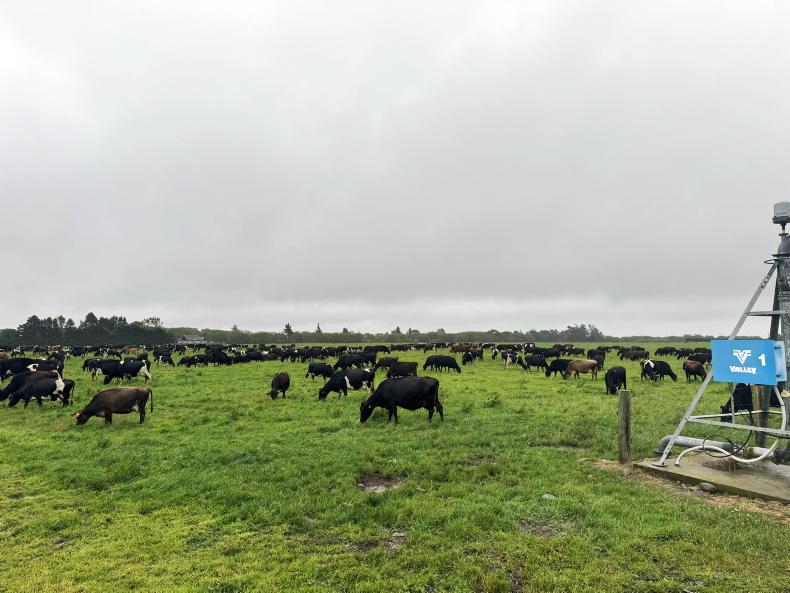
New Zealand’s (NZ) temperate livestock grazed pasture systems have traditionally relied on perennial ryegrass and white clover to support ruminant livestock production (eg dairy farming). These systems receive nitrogen (N) inputs from synthetic fertiliser, biological fixation by legumes and supplementary feeds to maintain high pasture productivity.
However, excessive N inputs significantly increase the risk of environmental losses, primarily through nitrate leaching. Urinary-N from grazing animals is the dominant source of leaching, as the majority of ingested N is excreted rather than exported in animal products (eg milk).
Urine-N deposition occurs in concentrated patches, often exceeding pasture demand, which increases vulnerability to leaching, particularly during wet winter periods, and is the primary source of N loss from grazed pasture systems.
Challenge of nitrogen leaching
Nitrogen leaching from grazed pastures has been shown to increase exponentially with total N inputs, whether from fertiliser or legume fixation.
While fertiliser-derived N contributes directly to leaching, the primary mechanism is indirect: higher pasture N concentrations lead to increased urinary N excretion, which is subsequently leached from urine patches.
Reported leaching losses vary widely depending on fertiliser rates, soil type, drainage and grazing intensity.
Therefore, effective N management in these systems requires strategies that reduce N inputs where possible and improve N use efficiency across the soil-plant-animal continuum.
Strategies to reduce nitrogen losses
Mitigation strategies can be categorised into soil, plant, animal, and management-based approaches.
Soil-based options include the use of nitrification inhibitors or carbon amendments to reduce N leaching losses.
Plant-based strategies exploit traits that enhance soil N uptake or reduce urinary N excretion. Notably, integrating plantain into ryegrass-clover pastures has been shown to lower urinary N excretion and slow soil nitrification, leading to measurable reductions in N leaching.
Animal-based strategies focus on optimising N retention through breed selection, feed efficiency and interventions that alter urine deposition patterns, such as dietary supplementation or the use of diuretics to increase urination frequency and spatial distribution. A recent innovative approach of environmental herd testing seeks to exploit natural variation in urine excretion between cows to reduce N leaching at the farm scale.
Combining management practices
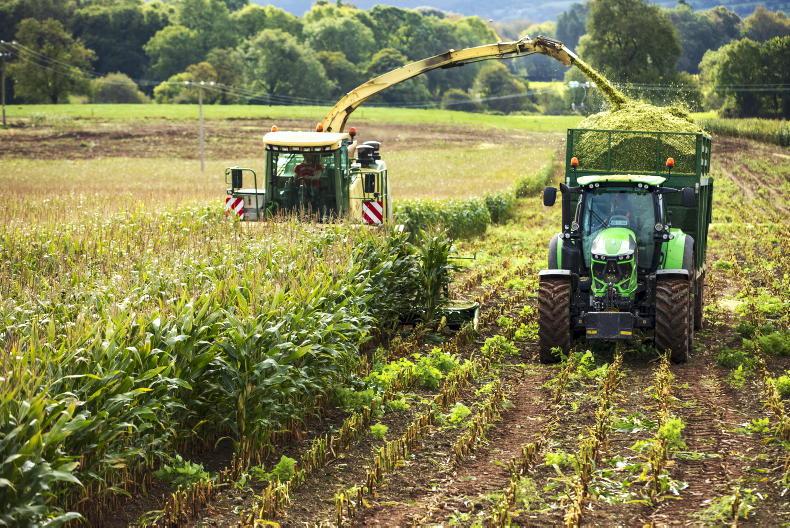
Management strategies target the timing and composition of feeds and fertilisers, including partial substitution of pasture with low-protein supplements, temporarily removal of animals from pasture during high-risk periods and precision application of fertiliser to match pasture nutrient demand. Whole-farm approaches are often required to maximise effectiveness and to account for N dynamics across production blocks.
Combining multiple mitigation measures can achieve substantial reductions in N leaching, although the sequence and integration of practices are critical to achieving additive benefits.





SHARING OPTIONS