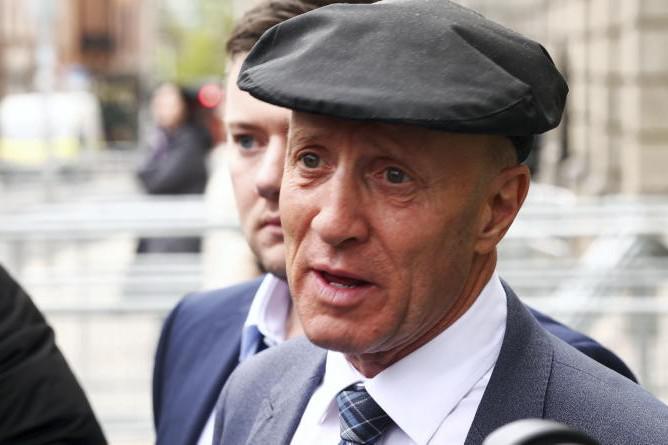
Stakeholders interviewed about the Mid-Term Review (MTR) of the Forestry Programme have been supportive of the changes announced by Minister of State Michael Healy-Rae.
They accepted that major changes to the afforestation programme were outside the minister’s remit at this stage but the changes “should increase confidence” maintained Teige Ryan, PRO of the Social, Environment and Economic Association (SEEFA).
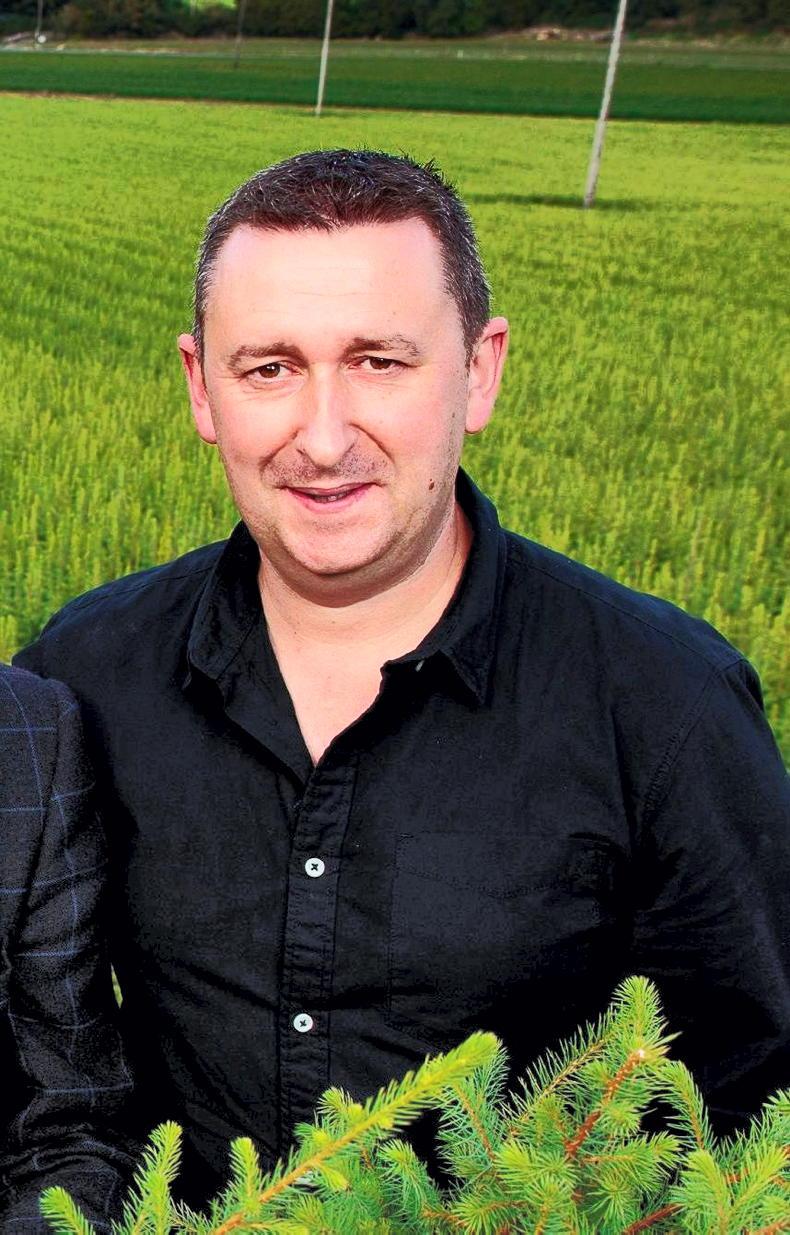
Teige Ryan.
“The review reflects constructive engagement between the Department and sector stakeholders, providing a clearer platform for planting and programme delivery for the remainder of the forestry programme,” he said.
“We welcome the simplification of the farmer definition within the afforestation scheme, which will reduce administrative complexity and make it easier for farm families to participate in forestry,” said Donal Whelan, technical director of the Irish Timber Growers Association (ITGA).

Donal Whelan.
“The review’s focus on improved financial incentives, greater flexibility within schemes, and enhanced engagement and training reflects many of the practical issues identified by ITGA members,” Whelan added.
Maureen Kilgore, manager of the Irish Agroforestry Forum (IAF) welcomed the increased agroforestry options especially “the annual agroforestry premium increase to €1,170/ha”.

Maureen Kilgore.
Flexibility in assessing afforestation on peats was also welcomed. “The Department’s commitment to clarify areas of peat that are excluded from planting due to peat depth... These areas may now be included as part of the 15% Areas of Biodiversity Enhancement (ABE),” Conor Daly said.
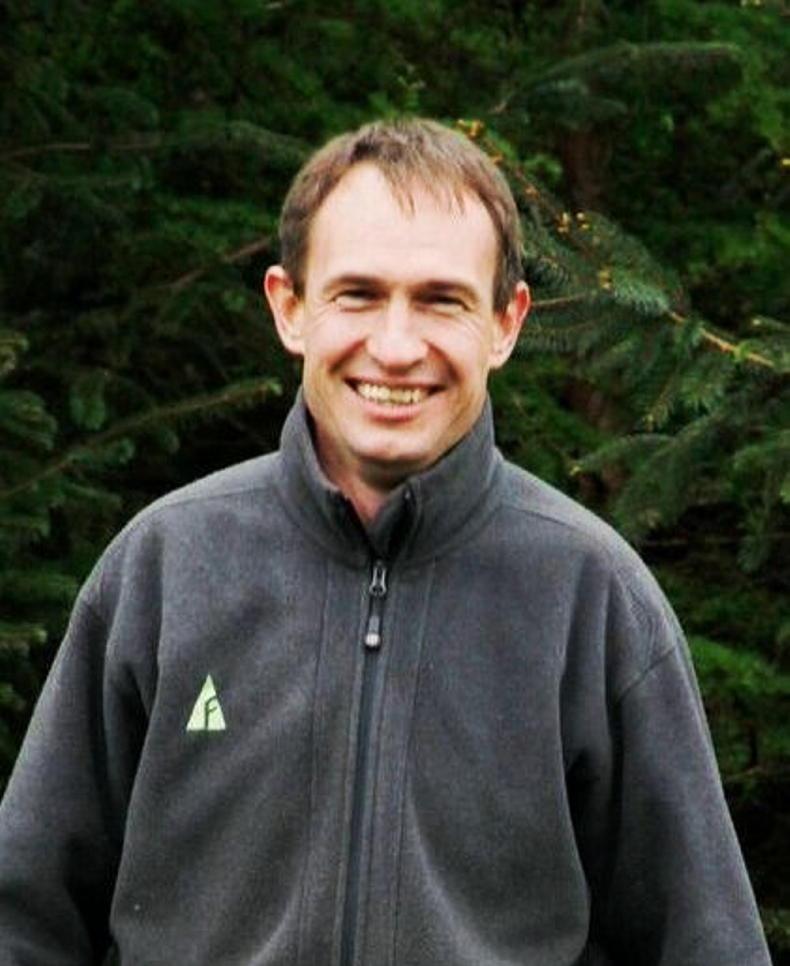
Conor Daly.
Foresters contacted by the Irish Farmers Journal believe last year’s afforestation programme was a big improvement but are concerned about maintaining, let alone improving, planting. These concerns are based on low levels of afforestation from November 1 to February 27 which amounted to 275ha, less than 70ha per month.
Reviving afforestation
Paddy Bruton, SEEFA chair believes that this issue needs to be fully addressed in the next programme. Bruton acknowledged the major switch from commercial to non-commercial broadleaf forestry in recent years.
“I believe the core issue is not ‘commercial versus native’ but rather that the current policies do not support large-scale commercial planting especially among farmers,” he said.
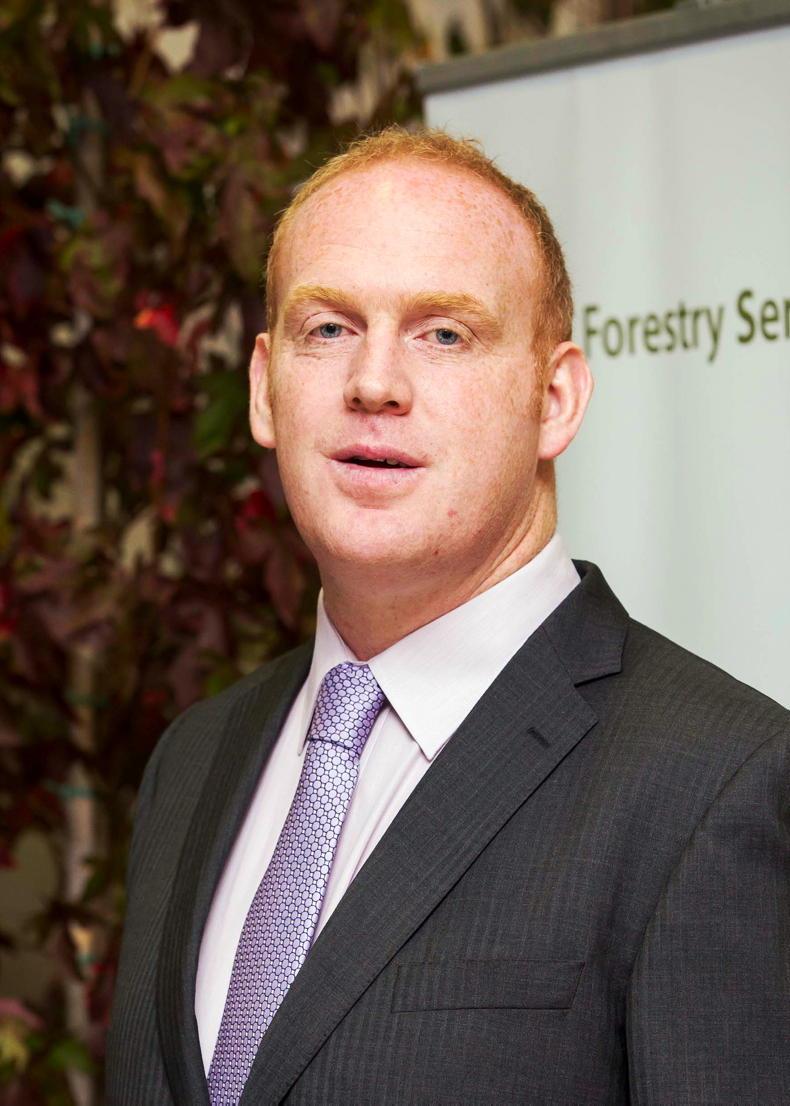
Paddy Bruton.
“A major challenge is the lack of integration between the CAP, particularly the agri-environment schemes, and the current forestry programme,” Bruton added.
“Farmer participation in afforestation has dropped significantly, a trend that began during the Green Low Carbon Agri environmental Scheme (GLAS), when farmer planting numbers dropped from 852 in 2015 to 100 in 2020,” he added.
“Unfortunately, this trend has continued during the current ACRES scheme, where, again, farmer planting is too low for national afforestation targets to be met.”
He said this needs to be addressed in the next round of the CAP.
“Existing forestry and afforestation must be complementary with agri-environment schemes and must be included from the outset and fully incorporated into the next agri-environment training programme or AETS, ensuring afforestation is considered from the beginning.”
He believes the CAP Consultative Committee should review afforestation uptake among GLAS and ACRES participants. He believes the committee should “recommend changes to ensure compatibility and effective incentives”.
Referencing Ireland’s Climate Action Plan he said: “Afforestation should be recognised as Ireland’s largest land-based climate mitigation measure. We are seeking complementary integration, not CAP funding for forestry.”
Afforestation promotion needed to highlight attractive annual tax-free revenue for planting
When he announced the changes in the MTR for forestry, Minister Healy-Rae promised “a major national education and awareness programme” for forestry by the Department of Agriculture, Food and the Marine (DAFM). Although afforestation grants and premiums will remain at current rates – apart from agroforestry – the support schemes including increased fencing grants and the redefinition of a farmer, to qualify for the 20-year premium payments, should all help.
The commitment by DAFM to allow some areas of peat over 30cm to be included in an afforestation programme “as part of the 15% Areas of Biodiversity Enhancement (ABE),” could also bring a number of sites back into the planting programme if it is promoted properly.
The minister’s package should help to leverage land into afforestation, which is badly needed as the programme is struggling right now despite extremely attractive grants.
There are 10 forest types (FT) available along with two native tree area (NTA) schemes (Table 1) and a choice of over 30 tree species so the programme is both financially extremely attractive and flexible. Likewise, the range of options is wide to suit a variety of planting sites and scale – from 0.1ha upwards.
Even the smallest project can provide an attractive income but ideally, for commercial forestry to be a significant revenue generator as part of the farm family income, at least 10ha should be planted.
This would provide planting grants of between €39,000 and €85,000 – in addition to increased fencing rates – for the main afforestation types and up to €220,000 tax-free for farmers over 20 years.
Stakeholders interviewed about the Mid-Term Review (MTR) of the Forestry Programme have been supportive of the changes announced by Minister of State Michael Healy-Rae.
They accepted that major changes to the afforestation programme were outside the minister’s remit at this stage but the changes “should increase confidence” maintained Teige Ryan, PRO of the Social, Environment and Economic Association (SEEFA).
Teige Ryan.
“The review reflects constructive engagement between the Department and sector stakeholders, providing a clearer platform for planting and programme delivery for the remainder of the forestry programme,” he said.
“We welcome the simplification of the farmer definition within the afforestation scheme, which will reduce administrative complexity and make it easier for farm families to participate in forestry,” said Donal Whelan, technical director of the Irish Timber Growers Association (ITGA).
Donal Whelan.
“The review’s focus on improved financial incentives, greater flexibility within schemes, and enhanced engagement and training reflects many of the practical issues identified by ITGA members,” Whelan added.
Maureen Kilgore, manager of the Irish Agroforestry Forum (IAF) welcomed the increased agroforestry options especially “the annual agroforestry premium increase to €1,170/ha”.
Maureen Kilgore.
Flexibility in assessing afforestation on peats was also welcomed. “The Department’s commitment to clarify areas of peat that are excluded from planting due to peat depth... These areas may now be included as part of the 15% Areas of Biodiversity Enhancement (ABE),” Conor Daly said.
Conor Daly.
Foresters contacted by the Irish Farmers Journal believe last year’s afforestation programme was a big improvement but are concerned about maintaining, let alone improving, planting. These concerns are based on low levels of afforestation from November 1 to February 27 which amounted to 275ha, less than 70ha per month.
Reviving afforestation
Paddy Bruton, SEEFA chair believes that this issue needs to be fully addressed in the next programme. Bruton acknowledged the major switch from commercial to non-commercial broadleaf forestry in recent years.
“I believe the core issue is not ‘commercial versus native’ but rather that the current policies do not support large-scale commercial planting especially among farmers,” he said.
Paddy Bruton.
“A major challenge is the lack of integration between the CAP, particularly the agri-environment schemes, and the current forestry programme,” Bruton added.
“Farmer participation in afforestation has dropped significantly, a trend that began during the Green Low Carbon Agri environmental Scheme (GLAS), when farmer planting numbers dropped from 852 in 2015 to 100 in 2020,” he added.
“Unfortunately, this trend has continued during the current ACRES scheme, where, again, farmer planting is too low for national afforestation targets to be met.”
He said this needs to be addressed in the next round of the CAP.
“Existing forestry and afforestation must be complementary with agri-environment schemes and must be included from the outset and fully incorporated into the next agri-environment training programme or AETS, ensuring afforestation is considered from the beginning.”
He believes the CAP Consultative Committee should review afforestation uptake among GLAS and ACRES participants. He believes the committee should “recommend changes to ensure compatibility and effective incentives”.
Referencing Ireland’s Climate Action Plan he said: “Afforestation should be recognised as Ireland’s largest land-based climate mitigation measure. We are seeking complementary integration, not CAP funding for forestry.”
Afforestation promotion needed to highlight attractive annual tax-free revenue for planting
When he announced the changes in the MTR for forestry, Minister Healy-Rae promised “a major national education and awareness programme” for forestry by the Department of Agriculture, Food and the Marine (DAFM). Although afforestation grants and premiums will remain at current rates – apart from agroforestry – the support schemes including increased fencing grants and the redefinition of a farmer, to qualify for the 20-year premium payments, should all help.
The commitment by DAFM to allow some areas of peat over 30cm to be included in an afforestation programme “as part of the 15% Areas of Biodiversity Enhancement (ABE),” could also bring a number of sites back into the planting programme if it is promoted properly.
The minister’s package should help to leverage land into afforestation, which is badly needed as the programme is struggling right now despite extremely attractive grants.
There are 10 forest types (FT) available along with two native tree area (NTA) schemes (Table 1) and a choice of over 30 tree species so the programme is both financially extremely attractive and flexible. Likewise, the range of options is wide to suit a variety of planting sites and scale – from 0.1ha upwards.
Even the smallest project can provide an attractive income but ideally, for commercial forestry to be a significant revenue generator as part of the farm family income, at least 10ha should be planted.
This would provide planting grants of between €39,000 and €85,000 – in addition to increased fencing rates – for the main afforestation types and up to €220,000 tax-free for farmers over 20 years.






SHARING OPTIONS