


Approvals issued for over 5,873 individual landscape actions under the Agri-Climate Rural Environment Scheme (ACRES) as measures related to the management of vegetation, such as controlling invasive species or removing encroaching scrub, and training courses proved the popular among those who applied.
Landscape actions are available for participants in co-operation areas to carry out, with the possibility of increasing the annual results-based payment should habitat scoring improve after the measures are put in place.
Over 1,700 individual applications got the go-ahead to carry out rhododendron or cherry laurel removals, although each area applied for was relatively small as all applications under these headings reached a combined area of just under 110ha.
Scrub removal was another popular option applied for with 316 machine removals approved for an acreage of 30ha and another 540 for hand removals on an area-basis with the manual actions covering a total area of over 250ha.
A further 10.4km of approvals regarding the machine scrub removal of 2m strips of margins encroaching into species-rich grasslands and another 100 applications were approved for this type of scrub removal by hand for an overall area of 2.6km.
Almost 100 approvals issued for the spraying or stem injection of Japanese knotweed. There were just under 50 applications accounted for under the various targeted grazing headings – most of these concern the grazing of cattle on moor grass, but some approvals also issued for targeted grazing with horses and goats. The peat reprofiling action intended on aiding the restoration of cutaway turf banks saw 62 applications covering around 5km, another 171 drain-blocking with peat plug applications were approved and 10 go-aheads were given for blocking drains with timber dams.
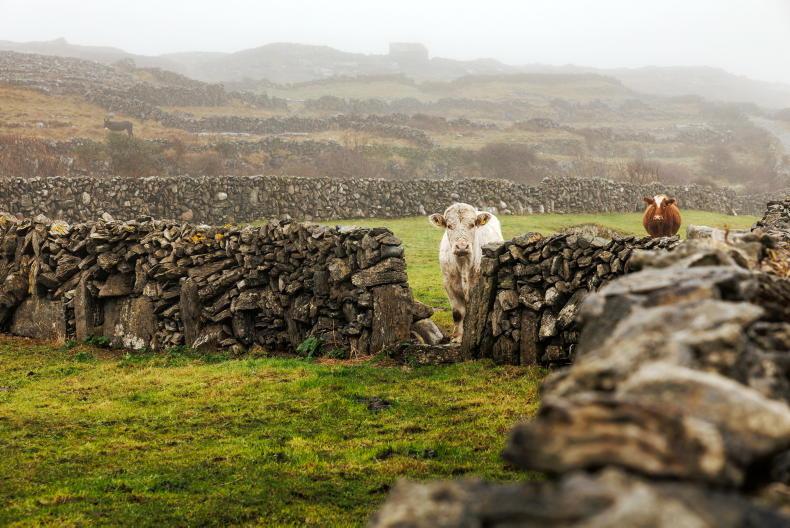
A further 209 actions concern the felling of conifers, 86 approvals issued for the construction of ponds and 12.5km worth of gravel resurfacing on trackways can take place across 85 applications. Some 72 approvals were for repairing traditional stone walls across a total length of 5.7km.
The various training options applicants could avail of also proved popular, with 457 to receive training for invasive species or scrub removal, 211 for habitat support training and 84 applicants in line for hydromorphology training.




SHARING OPTIONS