How do we expand our upland native woodlands? I ask as a forester who knows that our uplands once contained vast swathes of sessile oak forest.
I also ask as a member of the Independent Advisory Committee on Ireland’s Nature Restoration Plan where the importance of re-establishing lost annex woodlands is a priority in meeting Ireland’s legally binding obligations under the nature restoration law.
We have isolated fragments and pockets of native woodland around the country, mostly kept back due to unrelenting browsing and agricultural expansion.
There is little reward for protecting these woodlands, not anything that would compete with current agriculture. And as many occur on farms, we urgently need to change our thinking.
Under Article 17 reporting on the status of habitats – under the Habitats Directive – the National Parks and Wildlife Service (NPWS) has estimated that Ireland needs to re-establish some 14,000ha of lost Annex woodlands (10,168 ha old sessile oak woodland (91A0) and 3,948 ha of alluvial woodland (91E0)) by 2030 as part of the Nature Restoration Law.
Anyone operating in woodland creation in Ireland knows this is a huge challenge that is going to need new thinking and a new approach.
One such approach is a completely new Annex Woodland Scheme that operates separate to the current afforestation grant scheme, which is not appropriate, as it assesses land and woodland creation through a productivity lens.
The reestablishment of Annex Woodland is not for timber production, but these are woodlands primarily for nature, biodiversity and catchment
protection. They should be targeted in the first instance where remnant fragments persist, especially in Natura sites where sessile oak and alluvial woodlands are qualifying interests.
As a forester, I’ve been asking myself: what could these woodlands actually look like? What is clear is that they are not standard 2,500 stems per hectare-type forests. That density reflects mostly conventional silvicultural and volume driven goals, appropriate in that context, but not for nature restoration.
Where seed sources already exist, natural regeneration, freed from the pressure of herbivory should be encouraged, such as expansion buffers around existing pockets of native woodland, valuing the importance of these buffers by paying it at the same rate as the current native woodland under Forest
Type (FT) 1.
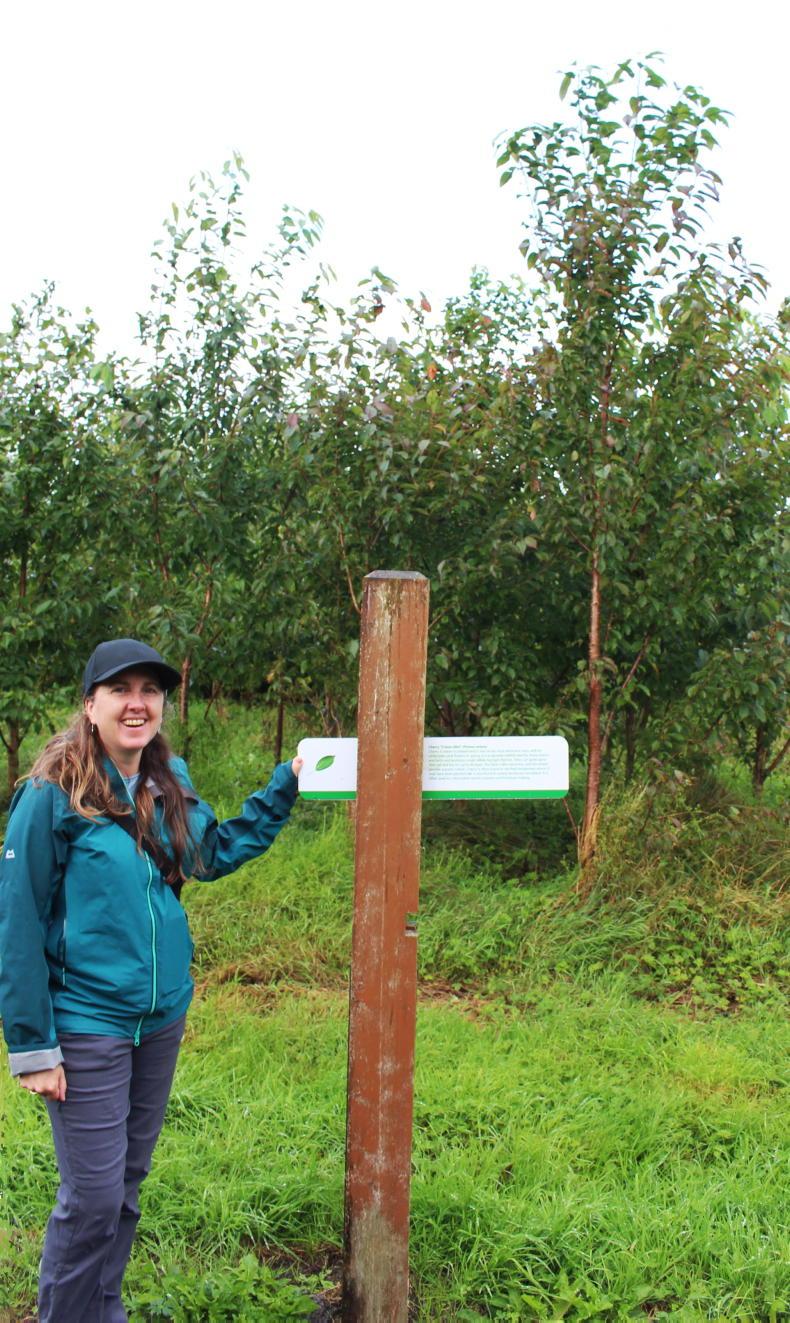
Martina Conway.
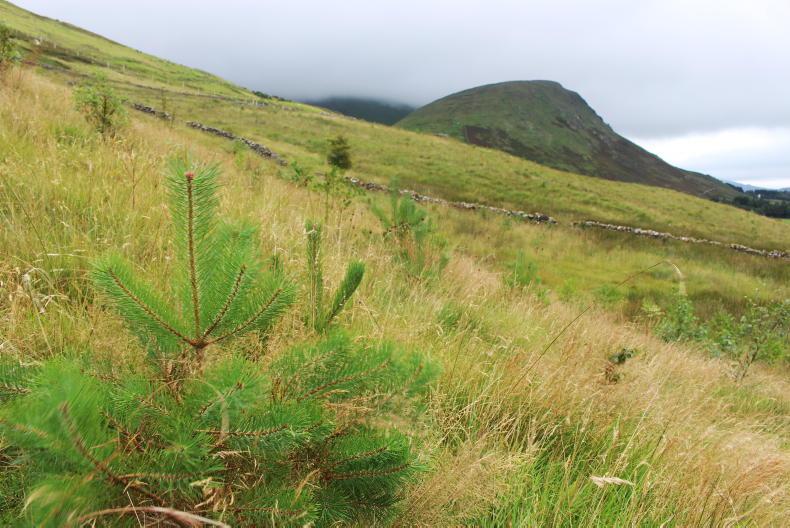
Where seed sources don’t exist, planting will be necessary, but possibly at lower densities than current afforestation schemes require.
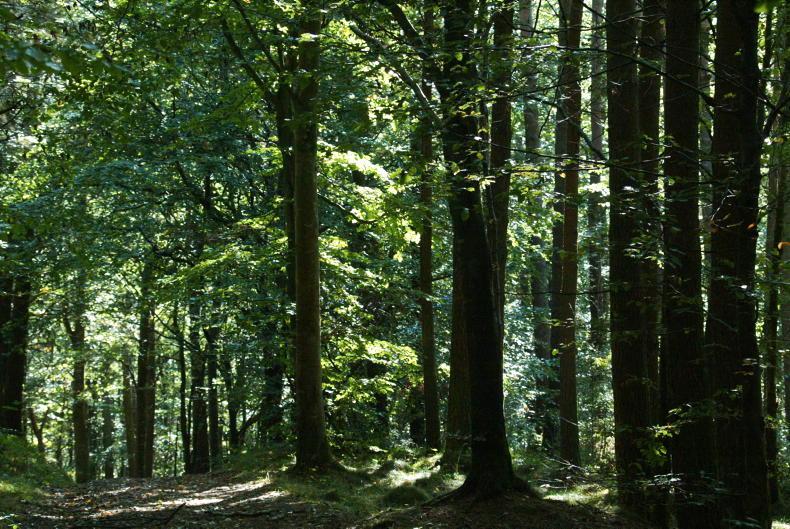
The real goal here is to set the conditions for a healthy, diverse woodland in 50 to 100 years’ time, not to impose a rigid design from day one.
Who should lead this scheme? These woodlands will be created in sensitive landscapes where planning, ecological nuance, and flexibility are essential.
Could it be delivered through the NPWS, the Executive Agency within Government with responsibility for nature conservation, wildlife protection and preservation of our Nature Reserves?
Or should it be delivered through existing DAFM structures, a different licensing approach such as a tailored and expanded Native Tree Area (NTA) scheme, tiered licensing or through existing ACRES?
Either way, this demands a can-do attitude and a willingness to embrace new approaches. Whatever route is chosen, we must ensure that:
Other habitats are not damaged in the process.The system allows us to get on with the work, not get lost in bureaucracy.Convening expertise
This October, Hometree is convening a working group of ecologists and foresters to begin mapping out what a credible woodland for nature scheme might look like in Ireland. The ambition is to help shape State offerings that are ecologically robust, administratively workable and attractive to landowners.
Marina Conway is head of woodlands at the nature restoration charity Hometree and a 2025 Nuffield scholar.
How do we expand our upland native woodlands? I ask as a forester who knows that our uplands once contained vast swathes of sessile oak forest.
I also ask as a member of the Independent Advisory Committee on Ireland’s Nature Restoration Plan where the importance of re-establishing lost annex woodlands is a priority in meeting Ireland’s legally binding obligations under the nature restoration law.
We have isolated fragments and pockets of native woodland around the country, mostly kept back due to unrelenting browsing and agricultural expansion.
There is little reward for protecting these woodlands, not anything that would compete with current agriculture. And as many occur on farms, we urgently need to change our thinking.
Under Article 17 reporting on the status of habitats – under the Habitats Directive – the National Parks and Wildlife Service (NPWS) has estimated that Ireland needs to re-establish some 14,000ha of lost Annex woodlands (10,168 ha old sessile oak woodland (91A0) and 3,948 ha of alluvial woodland (91E0)) by 2030 as part of the Nature Restoration Law.
Anyone operating in woodland creation in Ireland knows this is a huge challenge that is going to need new thinking and a new approach.
One such approach is a completely new Annex Woodland Scheme that operates separate to the current afforestation grant scheme, which is not appropriate, as it assesses land and woodland creation through a productivity lens.
The reestablishment of Annex Woodland is not for timber production, but these are woodlands primarily for nature, biodiversity and catchment
protection. They should be targeted in the first instance where remnant fragments persist, especially in Natura sites where sessile oak and alluvial woodlands are qualifying interests.
As a forester, I’ve been asking myself: what could these woodlands actually look like? What is clear is that they are not standard 2,500 stems per hectare-type forests. That density reflects mostly conventional silvicultural and volume driven goals, appropriate in that context, but not for nature restoration.
Where seed sources already exist, natural regeneration, freed from the pressure of herbivory should be encouraged, such as expansion buffers around existing pockets of native woodland, valuing the importance of these buffers by paying it at the same rate as the current native woodland under Forest
Type (FT) 1.
Martina Conway.
Where seed sources don’t exist, planting will be necessary, but possibly at lower densities than current afforestation schemes require.
The real goal here is to set the conditions for a healthy, diverse woodland in 50 to 100 years’ time, not to impose a rigid design from day one.
Who should lead this scheme? These woodlands will be created in sensitive landscapes where planning, ecological nuance, and flexibility are essential.
Could it be delivered through the NPWS, the Executive Agency within Government with responsibility for nature conservation, wildlife protection and preservation of our Nature Reserves?
Or should it be delivered through existing DAFM structures, a different licensing approach such as a tailored and expanded Native Tree Area (NTA) scheme, tiered licensing or through existing ACRES?
Either way, this demands a can-do attitude and a willingness to embrace new approaches. Whatever route is chosen, we must ensure that:
Other habitats are not damaged in the process.The system allows us to get on with the work, not get lost in bureaucracy.Convening expertise
This October, Hometree is convening a working group of ecologists and foresters to begin mapping out what a credible woodland for nature scheme might look like in Ireland. The ambition is to help shape State offerings that are ecologically robust, administratively workable and attractive to landowners.
Marina Conway is head of woodlands at the nature restoration charity Hometree and a 2025 Nuffield scholar.





SHARING OPTIONS