


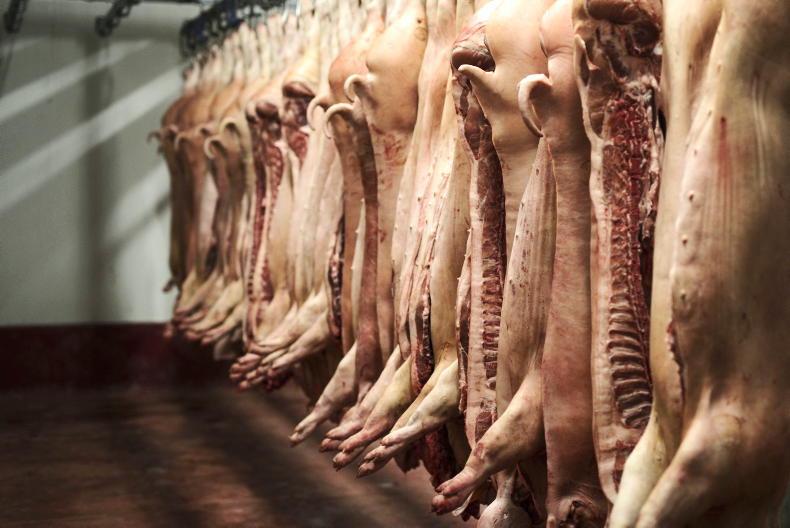
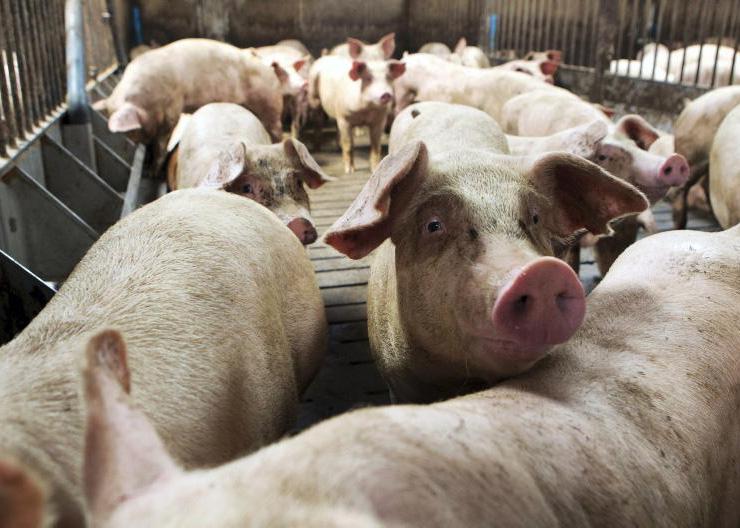
Large-scale commercial pig units in Ireland may be small in number but they are big in output and the sector is consistently the third-largest export category after beef and lamb. Historically pigs were part of most Irish farms and while there are still some small businesses, these will be typically for direct selling to customers as part of a wider farm shop enterprise.
While the number of large commercial enterprises are small, they are relatively labour intensive with over 1,000 people employed directly in production and several thousand more in processing.
In this year’s pig focus, the theme is very much about performance.
Optimising performance in every aspect of the business is what makes a successful pig enterprise because markets are never strong enough to compensate for under performance in the unit.
The role of good biosecurity in improving pig performance is explored by Louise Clarke and Gerard McCutcheon from Teagasc.
They highlight the dos and don’ts to achieve biosecurity on pig units and include an interesting growth performance comparison between Ireland and Denmark.
In their contribution, Emer McCrum and Michael McKeon from the Teagasc pig department highlight how pig production is very simple, as it has three simple elements for maximum efficiency of health, housing and feed.
Of course as they go on to explain, the delivery of these is anything but simple, but they are key to a successful business.
Irish pig meat exports are among the most diversified of all Irish agri food exports with significant volumes despatched to every continent.
This ability to be competitive in so many markets is a compliment to the efficiency of the sector in what is truly a global industry.
This is explored in more detail on page 48 where we examine that, while Ireland may be a relatively small volume producer in a global context, we are a significant exporter.



SHARING OPTIONS