Ever wonder why some dairy farms grow maize and beet and have diet feeders to feed their cows while other barely have a shear grab to feed out grass silage?
Aside from the obvious requirements of winter milk producers to provide a balanced, high energy and high protein diet for the winter, why is there such a difference in feed requirements for spring calving dairy farmers?
There is no doubt that some of this can be explained by soil type. Heavier soils are slower to dry out, so the possibility and probability of getting grass into cows in early spring and late autumn is lower on heavier soils.
Therefore, if animals are turned out later and housed earlier, then they have a dietary need for higher energy and higher protein feeds compared to just grass silage alone.
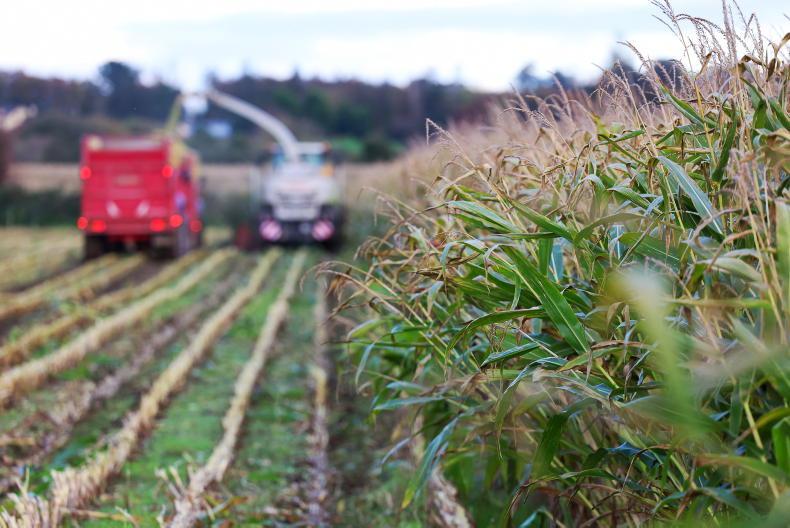
Forage crops like maize and beet are very high in energy and can play an important role in increasing the energy density of the diet when grass is not available.
Of course, the big problem is that heavy soils are not conducive to growing these types of crops and they are best suited to light, free-draining soils. This means that farms that probably need these crops the most are unable to grow them.
There is a tradition in some parts of the country of buying in these crops from tillage farmers in neighbouring jurisdictions.
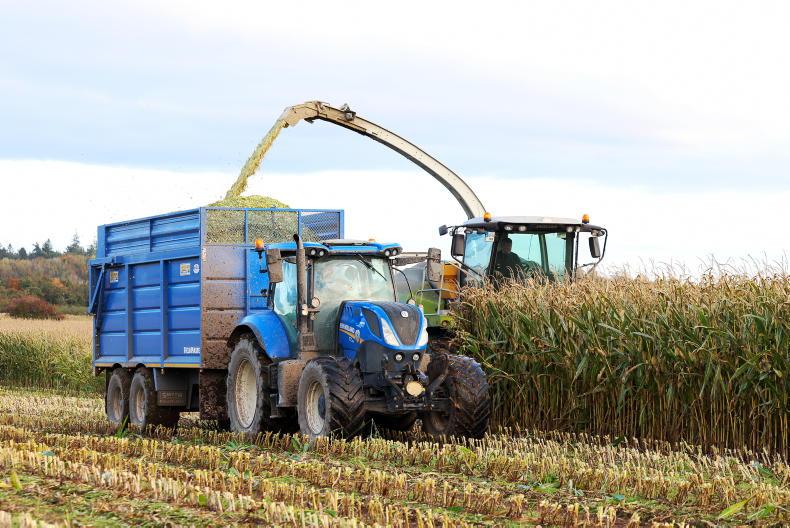
Many farmers in the heavy soils areas of north Cork, I’m thinking here of places like Newmarket, Kanturk and Ballydesmond that buy in maize silage grown on the better land near Mallow and Doneraile. Travel those roads any time in September and October, and you’ll meet plenty of tractors and trailers moving maize.
In other parts of the country, that’s just not feasible. In Northern Ireland, where calving patterns are more spread out and a lot of milk is produced over the winter months, the main forage is and remains to be grass silage.
While maize and other crops are grown in some places, it’s not suitable across most of the region. It’s a similar case in the west of Ireland.
The ironic thing is most dairy farmers who grow these fodder crops for their own use are located on free-draining soils where one could argue that the requirement for them is less. T
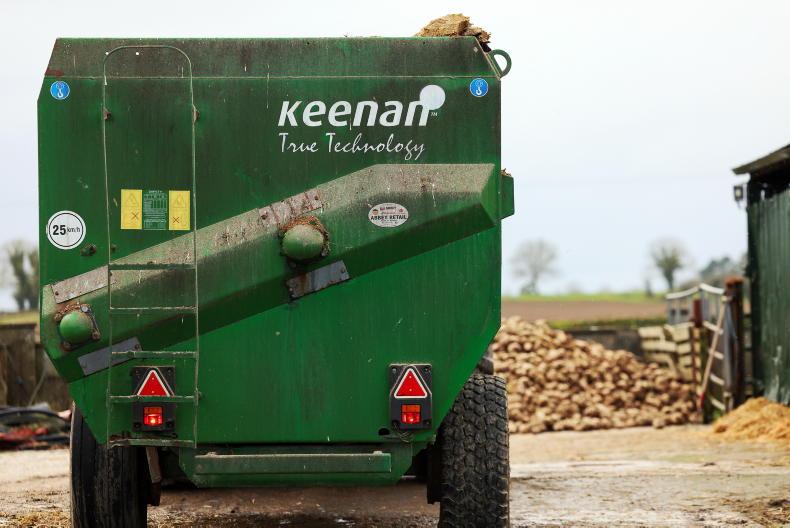
hey certainly add cost relative to the cost of grazed grass. It can also be argued that they add complexity and require specialised feeding equipment to feed them out.
Challenges
Some of the challenges facing the sector which sees the popularity of these forage crops increase are to do with the weather and climate change. This spring is a good example of another wet spring where many farmers have only been able to graze cows for a handful of days, compared to normal.
With all of the rain over the last few months, some are worried that the summer could be dry and affect grass growth. An extreme El Niño weather event is expected in the southern hemisphere over the coming months, the biggest El Niño in a decade. What impact this will have on rainfall in Ireland remains to be seen.
Either way, many farmers in the south and east have experienced soil moisture deficits between May and October, in perhaps four out of five seasons. This affects grass growth and means that additional feeds are required to make up the difference between herd demand and reduced grass growth.
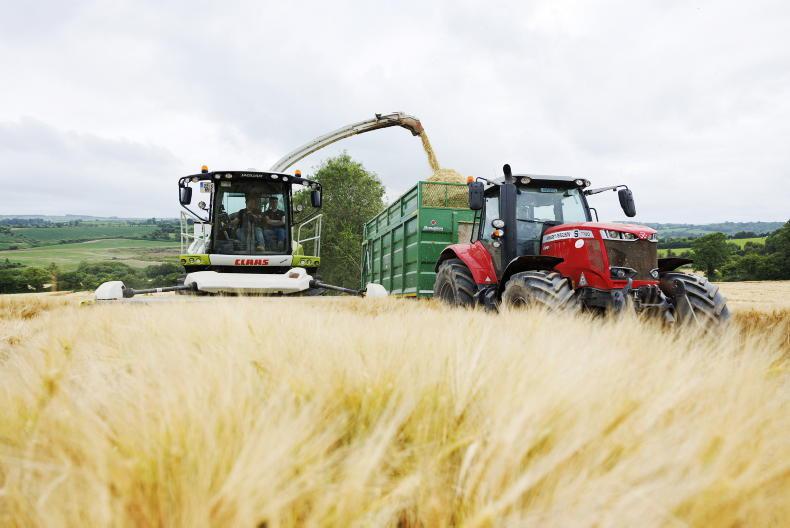
Some of this extra feed comes in the form of silage and concentrates, while straights such as byproducts like soya hulls and palm kernel are also fed in higher quantities on some farms.
Other farmers are looking at alternatives such as fodder crops like stubble turnips that can be grazed in-situ during this period. The risk with these crops is that if grass growth is good, then they won’t be needed. Secondly, they don’t offer anything in terms of being a help during a wet spring or a wet autumn as they’re only summer crops.
Another feed challenge dairy farmers face is around having enough grass in spring to feed cows. Many are finding that even though they hit their opening farm cover target and even though they can manage to get cows out to grass, they just don’t have enough grass to keep cows fed along with 3kg or 4kg of meal.
This means there is increased demand for grass in spring, compared to say five or 10 years ago. Some of the reason for this is to do with higher stocking rates, more compact calving and higher milk yields pushing up daily dry matter intakes.
In summary, between wetter weather in spring and autumn, drier summers and increased herd demand, farmers are finding that there are more and more times of the year when grass is insufficient to meet the needs of the herd.
However, it’s important to say that going down the road of growing and feeding maize and beet is not necessarily the right way to counteract this. Other than the aforementioned downsides around cost and complexity, these crops are low in protein meaning that additional protein sources are required.
There are two other less obvious downsides also. The first is the impact on our grass-fed standards by introducing other feeds. Ireland’s competitive advantage is not just our lower cost grass based system, it is the premium that dairy products produced from grass command in the market. Relying on other feeds not only erodes the cost advantage, it also erodes the market advantage.
Secondly, growing crops like maize and beet involve ploughing up grassland which releases a huge amount of nitrogen that can potentially be lost to the environment. Fields where these crops are grown are generally left idle over the winter with no green cover – meaning there is no uptake of nutrients.
If the sector moves to growing more crops, expect a deterioration in water quality. A lower cost and more environmentally friendly approach may be to focus on having high grass silage on hand whenever its needed.
Fodder crop pros
High energy feeds Available most of the yearFodder crop cons
High costAdd complexityLow in protein Potentially reduces water quality
Ever wonder why some dairy farms grow maize and beet and have diet feeders to feed their cows while other barely have a shear grab to feed out grass silage?
Aside from the obvious requirements of winter milk producers to provide a balanced, high energy and high protein diet for the winter, why is there such a difference in feed requirements for spring calving dairy farmers?
There is no doubt that some of this can be explained by soil type. Heavier soils are slower to dry out, so the possibility and probability of getting grass into cows in early spring and late autumn is lower on heavier soils.
Therefore, if animals are turned out later and housed earlier, then they have a dietary need for higher energy and higher protein feeds compared to just grass silage alone.
Forage crops like maize and beet are very high in energy and can play an important role in increasing the energy density of the diet when grass is not available.
Of course, the big problem is that heavy soils are not conducive to growing these types of crops and they are best suited to light, free-draining soils. This means that farms that probably need these crops the most are unable to grow them.
There is a tradition in some parts of the country of buying in these crops from tillage farmers in neighbouring jurisdictions.
Many farmers in the heavy soils areas of north Cork, I’m thinking here of places like Newmarket, Kanturk and Ballydesmond that buy in maize silage grown on the better land near Mallow and Doneraile. Travel those roads any time in September and October, and you’ll meet plenty of tractors and trailers moving maize.
In other parts of the country, that’s just not feasible. In Northern Ireland, where calving patterns are more spread out and a lot of milk is produced over the winter months, the main forage is and remains to be grass silage.
While maize and other crops are grown in some places, it’s not suitable across most of the region. It’s a similar case in the west of Ireland.
The ironic thing is most dairy farmers who grow these fodder crops for their own use are located on free-draining soils where one could argue that the requirement for them is less. T
hey certainly add cost relative to the cost of grazed grass. It can also be argued that they add complexity and require specialised feeding equipment to feed them out.
Challenges
Some of the challenges facing the sector which sees the popularity of these forage crops increase are to do with the weather and climate change. This spring is a good example of another wet spring where many farmers have only been able to graze cows for a handful of days, compared to normal.
With all of the rain over the last few months, some are worried that the summer could be dry and affect grass growth. An extreme El Niño weather event is expected in the southern hemisphere over the coming months, the biggest El Niño in a decade. What impact this will have on rainfall in Ireland remains to be seen.
Either way, many farmers in the south and east have experienced soil moisture deficits between May and October, in perhaps four out of five seasons. This affects grass growth and means that additional feeds are required to make up the difference between herd demand and reduced grass growth.
Some of this extra feed comes in the form of silage and concentrates, while straights such as byproducts like soya hulls and palm kernel are also fed in higher quantities on some farms.
Other farmers are looking at alternatives such as fodder crops like stubble turnips that can be grazed in-situ during this period. The risk with these crops is that if grass growth is good, then they won’t be needed. Secondly, they don’t offer anything in terms of being a help during a wet spring or a wet autumn as they’re only summer crops.
Another feed challenge dairy farmers face is around having enough grass in spring to feed cows. Many are finding that even though they hit their opening farm cover target and even though they can manage to get cows out to grass, they just don’t have enough grass to keep cows fed along with 3kg or 4kg of meal.
This means there is increased demand for grass in spring, compared to say five or 10 years ago. Some of the reason for this is to do with higher stocking rates, more compact calving and higher milk yields pushing up daily dry matter intakes.
In summary, between wetter weather in spring and autumn, drier summers and increased herd demand, farmers are finding that there are more and more times of the year when grass is insufficient to meet the needs of the herd.
However, it’s important to say that going down the road of growing and feeding maize and beet is not necessarily the right way to counteract this. Other than the aforementioned downsides around cost and complexity, these crops are low in protein meaning that additional protein sources are required.
There are two other less obvious downsides also. The first is the impact on our grass-fed standards by introducing other feeds. Ireland’s competitive advantage is not just our lower cost grass based system, it is the premium that dairy products produced from grass command in the market. Relying on other feeds not only erodes the cost advantage, it also erodes the market advantage.
Secondly, growing crops like maize and beet involve ploughing up grassland which releases a huge amount of nitrogen that can potentially be lost to the environment. Fields where these crops are grown are generally left idle over the winter with no green cover – meaning there is no uptake of nutrients.
If the sector moves to growing more crops, expect a deterioration in water quality. A lower cost and more environmentally friendly approach may be to focus on having high grass silage on hand whenever its needed.
Fodder crop pros
High energy feeds Available most of the yearFodder crop cons
High costAdd complexityLow in protein Potentially reduces water quality 





SHARING OPTIONS