


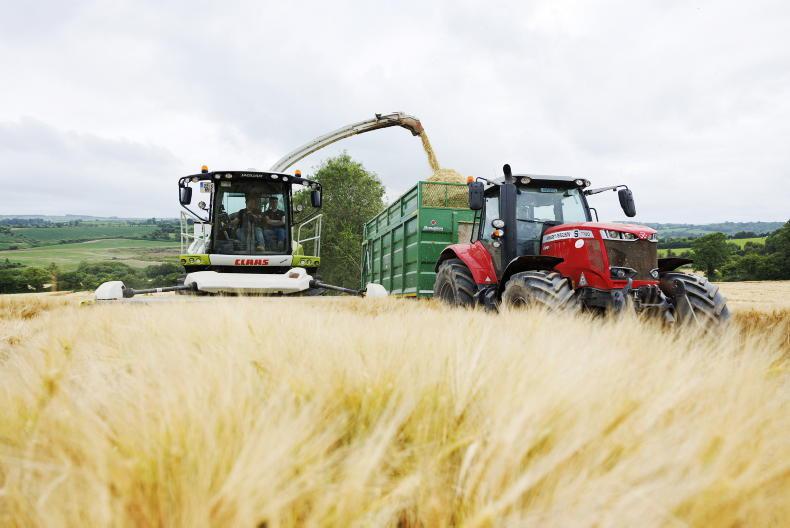
Forage crops can come in many different forms from full on cash crops planted in the spring, with big costs and late harvest dates to fast-growing crops that can slot in after a cash crop.
Different crops will suit different systems, based on costs, forage needs, end products and availability of land.
The main thing is that you are not spending beyond your means or you are not spending money on a crop without an end customer.
In this year’s focus on forage crops, we detail the costs and returns of many different forage crops from maize and beet to forage rape and kale and whole crop cereals.
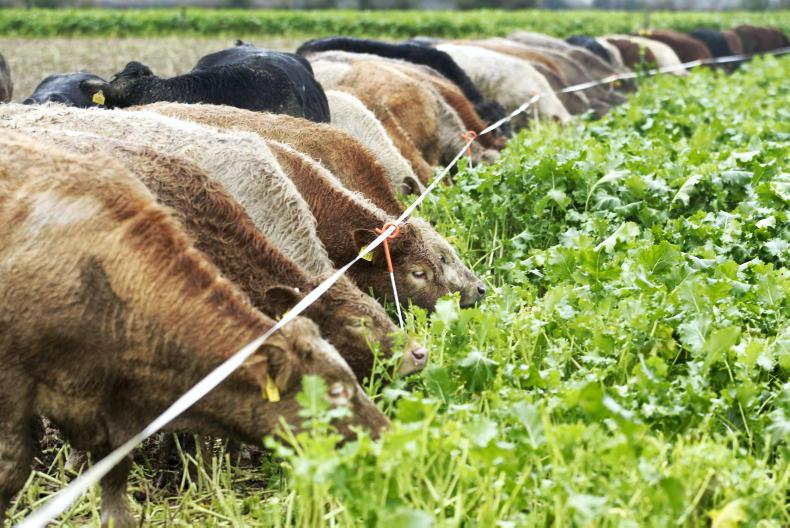
Aidan Brennan asks should farmers be growing forage crops? What’s the advantage or is there one? Should you be focusing on grazed grass?
Return
This year also sees the return of the recommended list for covered maize varieties from the Department of Agriculture.
Its publication finished when the single use plastics directive came in, but trials started again using biodegradable film and three year’s data is now available for the list. The uncovered maize list continues to be published.
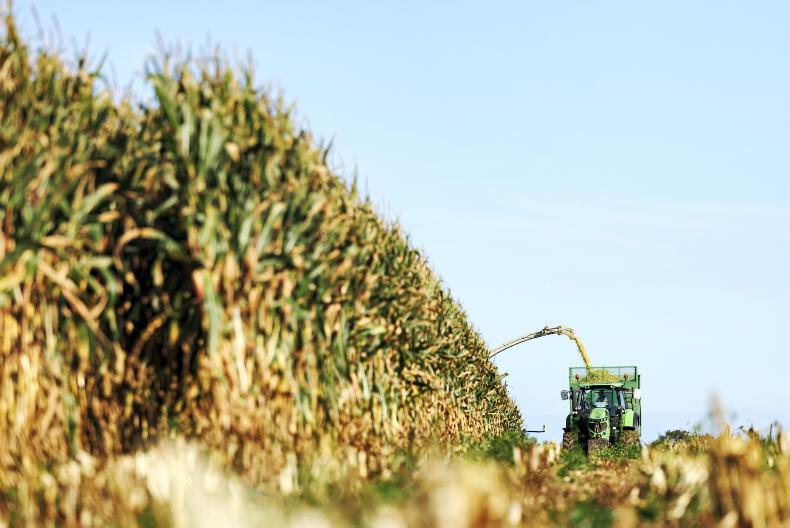
You should chat through varieties and crop choices like beet, kale, maize and many others with your local adviser. Deciding on a suitable site will be important to either harvest in possible wet conditions or to graze through the winter. The conditions the crop is harvested or grazed in will impact the quality fo the feed.
Remember you also need to comply with rules around buffer zones and lie-backs so make sure you have everything right ahead of planting.
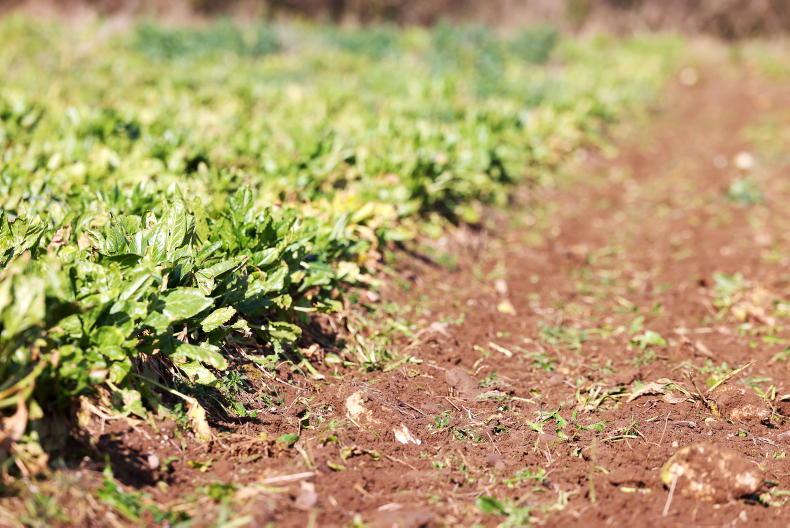
If grazing a forage crop, you need a 3m uncultivated buffer around the field’s perimeter. This buffer needs to be 4m at a watercourse. The total area needs to include a lie-back area taking up 30% of the area. This can be grass or should be cultivated to create a green cover.


SHARING OPTIONS