


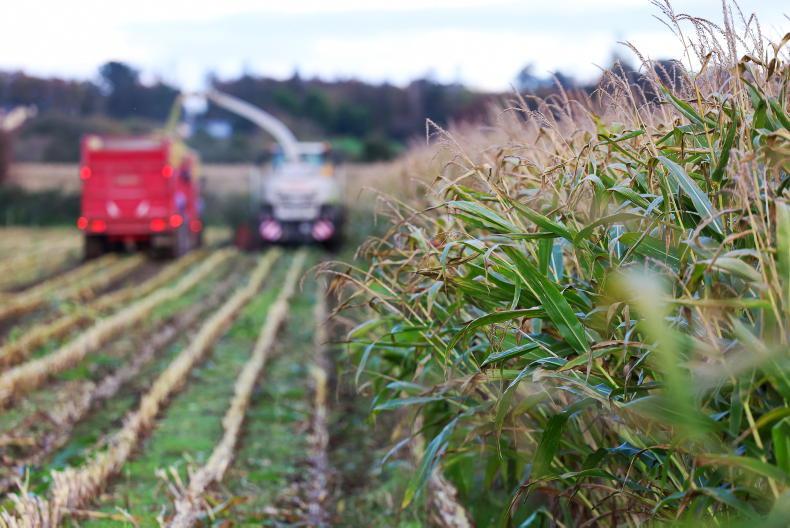
Forage crops can be expensive to grow, but they can also be great feed.
They can provide high energy, are locally sourced and can create an opportunity to export or import slurry.
However, crops like maize and beet are hugely costly to produce and so they can be high-risk to grow.
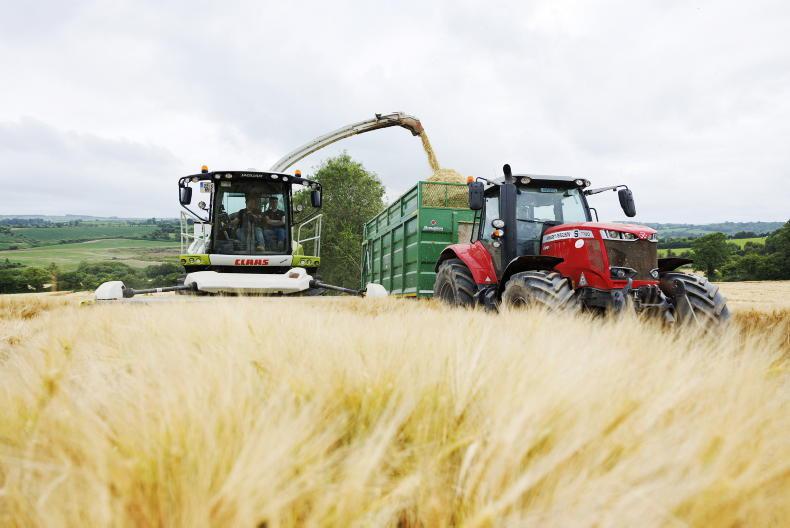
Weather at harvest is often an issue. Wind can blow maize crops down and make them difficult to harvest and have yield losses. Wet conditions lead to machinery being pulled out to save the crop some years, but people persist in growing these crops because of their high energy and feeding value.
It should be noted in recent years many crops have come out in good weather.
Customer
The main thing is that if you are growing them, you have a market for them, so you’re growing them for yourself or you have a customer to take the product from you.
It is crucial that you have customers for these products and that you have a payment plan in place. You can see the full breakdown of estimated costs of growing these crops from Teagasc in table 1.
You also need to examine your crop yields. You need to be hitting higher than the break-even yields highlighted in table 2.
Table 3 (see below) goes through the costs of growing maize, beet and other forage crops when they are being used on farm.
This includes crops like kale, forage rape and winter wheat as wholecrop.
You cannot spend €2,000/ha or more on a crop, hoping that a farmer will buy it from you. Equally, you can have agreed to supply a farmer with a crop and most farmers will stick to this agreement, price and pay you at the end of the year.
However, some farmers will ask you to grow a crop, not make payments and if grass growth increases and they don’t need the silage, they could just say they don’t want it and you will need a new buyer.
Share the load
As already said, these crops are expensive to grow. So, it is a good idea to share the load with the farmer you are growing for and then that farmer has invested in the crop and will have to buy it.
Some co-ops or merchants will even facilitate this. The seed might be put on one farmer’s account and the herbicide on the other farmer’s account.
You can also add slurry exports into the agreement. Just make sure that you have everything right from a compliance point of view.
The exporter needs to log the export. The importer needs to make sure they take delivery of the slurry and spread it.
The county council can inspect this. They will have been notified of the export. The importer needs to accept the import as well. It should be noted fuel costs have increased since these tables were created.



SHARING OPTIONS