According to the World Health Organisation (WHO), a significant percentage of type 2 diabetes, stroke, heart disease and cancer diagnoses are preventable through diet and lifestyle adjustments.
The term “culinary medicine” might sound a bit new age, but in fact, it is the study of foods which can manage, prevent or reverse disease through the application of evidence-based nutrition to everyday life. It asks us to consider food as medicine and, increasingly, doctors around the globe are treating patients not just with prescription drugs, but prescription recipes.
Food and health
Heather McGuire is a Dublin-based culinary medicine expert. Having grown up on a beef and equine farm in Co Limerick, food and agriculture has always been close to her heart, but she spent much of her life in the United States and worked in advertising for over two decades.
Today, she works with farmers, growers and brands – combining her marketing expertise with her passion for preventative health care – to help tell the story of Irish food through the lens of culinary medicine.
“After a few stops in Brussels and Paris, I ended up in New York City and I got straight into advertising,” she says. “My job was to come up with strategies to make sure people bought something, regardless of whether it was a good thing. You get to a point where your soul kind of leaves your body. You just know, this is not right.”
When Heather first returned to Ireland in 2016, she enrolled in Ballymaloe Cookery School. Over the three-month programme, she realised society often misses the significant connection between food and our overall health. She returned to New York to study at the Institute for Integrative Nutrition before studying culinary and metabolic health at the International School of Nutritional Medicine in the UK.
Attending her first integrative health module, she was surprised to see a number of medical doctors also in attendance.
“They were all studying integrative health so they could change their practises, to look at the patient as a whole, as opposed to just treating disease,” she explains. “Do we need to treat disease? Of course we do. But in culinary medicine, we are trained in diseases that are preventable, manageable or reversible through certain kinds of foods.
In the United States, over 60 medical schools had culinary medicine programmes, and some had started putting culinary medicine kitchens inside hospitals.
“This is how it works: if I’m a physician working mainly with type 2 diabetics, I might give a patient a prescription, but I’m also giving that patient a prescription to go to the culinary medicine kitchen. There, the patient is guided around how to cook with the right ingredients to help manage or even reverse symptoms.”
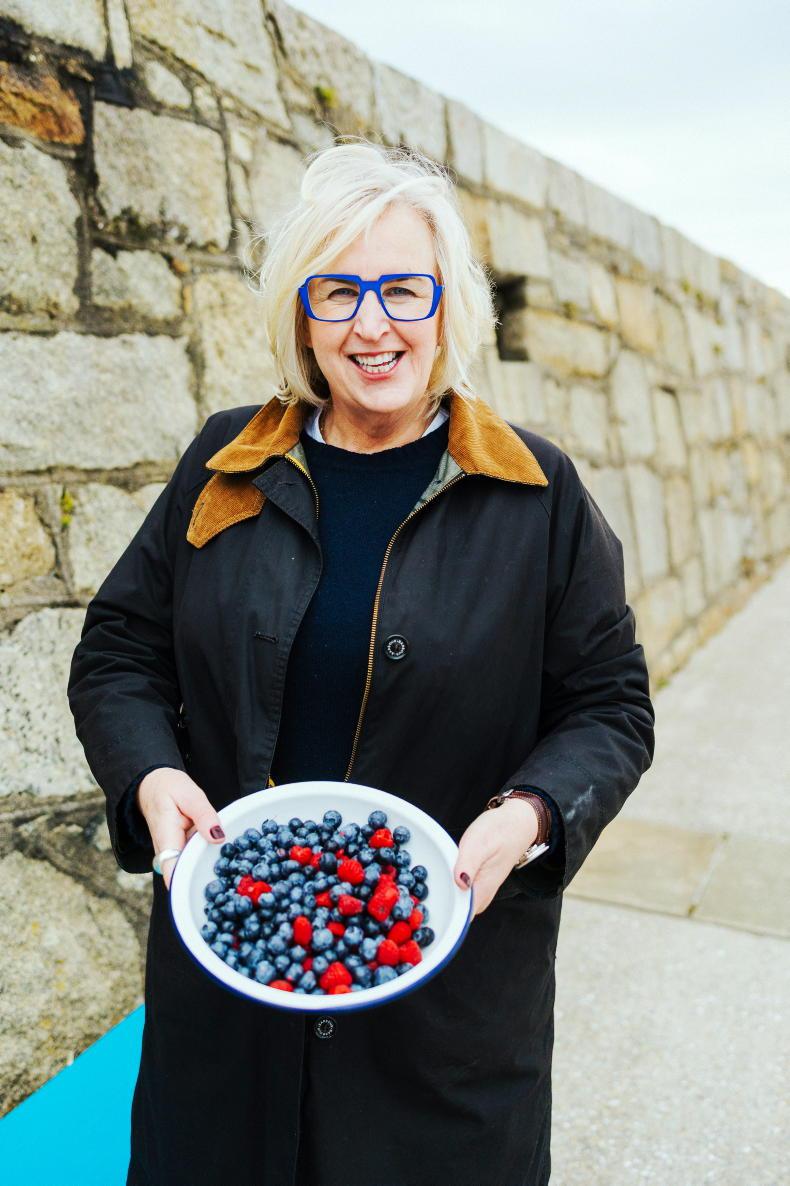
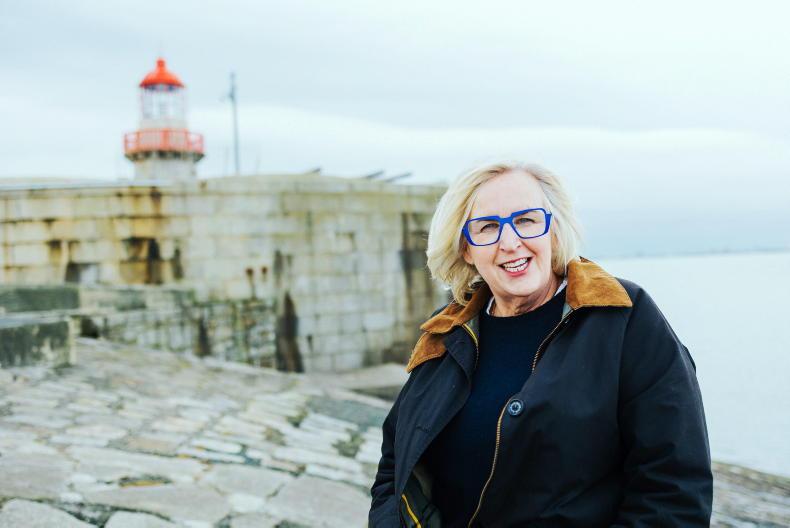
Heather McGuire talks about the importance of food as medicine. \ Tom Clarke
Your food, your choice
Back home in Ireland once more – this time, permanently – Heather set up her brand and culinary medicine consultancy business, Heather McGuire: Your food, your choice, your table, in 2022. She has since been making steady progress toward her goal of re-branding chefs, food producers and farmers as front line workers in preventative health.
“I wanted to go back to what I know,” she says. “If farmers and growers aren’t talking in a way that educates the consumer, the consumer will never see the foods they produce as prevention. You have to be able to tell your story. We’re currently spending 90% of our global healthcare budget on chronic disease treatment. We need to strip things down and go back to the farmer.”
Rather than telling consumers how they should eat, Heather believes meals should be joyful and a chance to connect on a social level – ultimately, these experiences have a very positive effect on our health.
“When you look at the gut microbiome, we still know very little, but there is now some very solid research – health, nutrition, wellness – which tells us it’s all connected,” Heather says. “If I’m sat at a long table in the middle of a farm, it honestly doesn’t matter what we’re eating, the joy of that experience is absolute gold for my overall health and wellbeing.”
Heather has been working closely with Irish catering company Gather & Gather. They serve workplaces and education centres throughout the country, making three million meals each year.
Heather has launched a project with the brand called Beyond the Plate, which reframes the food they serve as being more than just a meal – it brings attention to everything food does before and after it hits the plate, bringing in people, provenance, health, culture, and impact.
“What they’re providing to their clients is preventative healthcare,” Heather says. “For me, it’s strategising with the kitchens – maybe adding in things and taking others away – but it’s also empowering the chefs, so they understand how important they are in all of this.
Then it’s about how we educate with those three million meals. It’s not throwing nutrition facts at people; it’s about the messaging: ‘Hey! Add one tablespoon of pumpkin seeds to your porridge for this added benefit and flavour.’”
Culinary medicine is becoming a more widely recognised practise in Ireland. It was recently announced that Ireland’s first-ever culinary medicine kitchen will be included in the new St James’s Hospital in Dublin, a project being led by Dr Rupa Marya from Trinity College School of Medicine.
Heather believes we still have work to do but is optimistic about Ireland’s potential as a European leader in this practise. Equally, she wants every Irish consumer to know that they can practise their own preventative healthcare in their own kitchens, before they ever need to see a doctor.
“We tend to think of healthcare as something that begins when something goes wrong,” she muses. “Sure, there are things we can’t control when it comes to our health, but there’s also so much we can.
“What I’m trying to say is, don’t wait until the symptom appears. Prevention is still framed as a personal moral project – eat better, try harder – but that framing completely misses the point. Health doesn’t fail because people don’t care, it fails because the conditions and supports are missing.”
See heathermcguire.ie
Real traditional kefir is known as ‘the champagne of dairy’
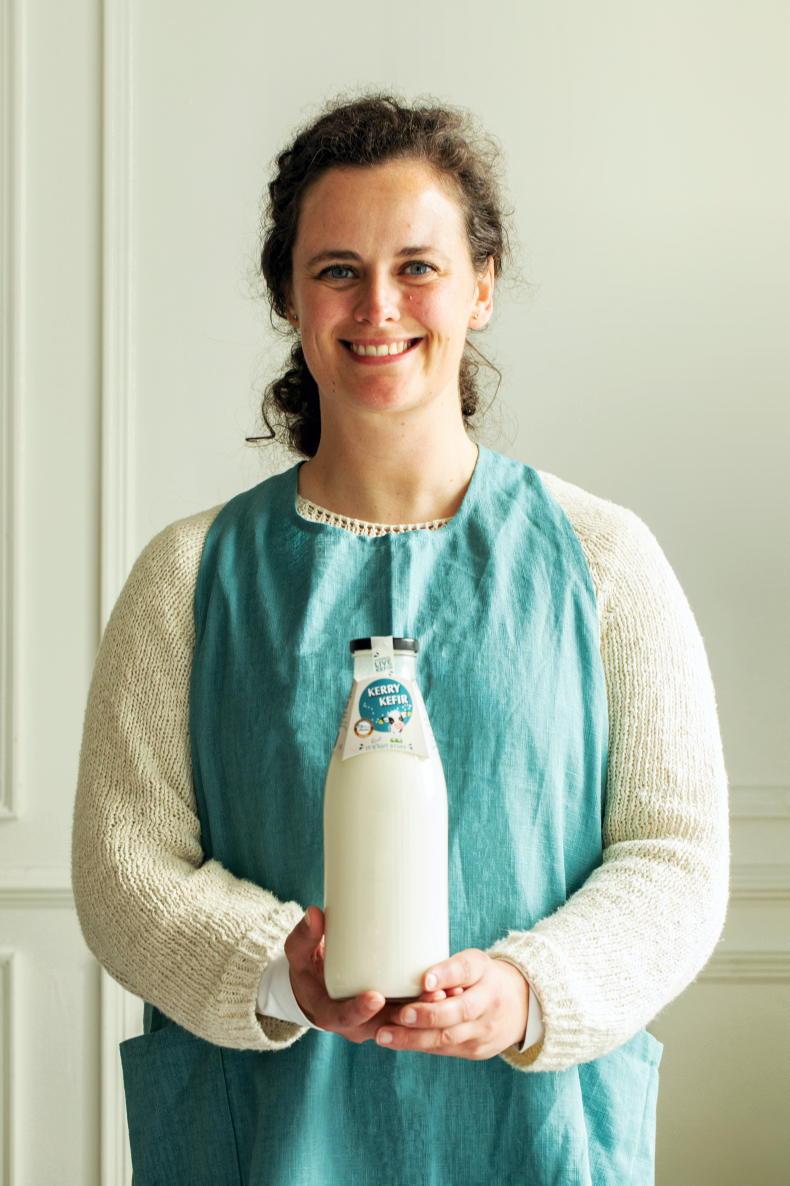
Mary Thea Brosnan owns and operates Kerry Kefir in Castleisland, Co Kerry.
Most food businesses start out with an idea. Others, like Mary Thea Brosnan’s Kerry Kefir, start to help people living with chronic health conditions and have grown thanks to their positive results.
Mary Thea is based in Castleisland, Co Kerry and has lived with irritable bowel syndrome (IBS) for much of her life. During her late teens and early 20s, she was in a perpetual state of discomfort. Little helped manage her symptoms, until she was introduced to milk kefir: a beverage not dissimilar in flavour to yoghurt, which is naturally fermented using “grains” – small gelatinous structures which look a bit like cheese curds.
These grains are composed of polysaccharides and contain a variety of beneficial yeasts and bacteria. Milk kefir has been proven to improve digestive health and is the perfect example of how, for some, food can help reverse chronic symptoms.
“Real traditional kefir is known as ‘the champagne of dairy’, due to its live bacteria, yeasts and natural effervescence,” Mary tells Irish Country Living. “There’s a high likelihood that it will even fizz up over the bottle.
“I started the business in 2018,” she continues. “Before that, I was just making it for myself. At first, people would call up to the house for it while I was still working [my previous job] on a part-time basis. Then, in 2020, I decided to make a go of it full-time. Now we are in SuperValus throughout Kerry and we deliver [online orders] nationwide.”
When it comes to milk kefirs, not all commercial varieties are created equal. Mary Thea has had her kefir genetically tested and can confirm it contains over 40 strains of beneficial bacteria and over 10 strains of yeast. Unlike many others currently on the market, hers is slowly fermented for up to 30 hours.
“All of the grains we use originate from the original teaspoon I bought from a nutritionist in Dublin back in 2017,” she recalls, smiling. “We’ve never had to buy grains; they multiply as long as you look after them. They’re influenced by their environment – temperature, humidity – and even the milk itself. We’ve also tested summer kefir versus winter kefir, and it showed in winter, the dominant bacteria were geared more towards your immune system, while the dominant bacteria in summer kefir would be more beneficial for seasonal allergies. The profile of bacteria in our kefir changes constantly, and that’s where the real benefit lies.”
Mary Thea started the business from a place of wanting to help others. When it comes to culinary medicine, she wishes a doctor or consultant could have helped her find the right foods to help her condition from the start.
“When I was diagnosed with IBS, the consultant didn’t mention diet or food – he wrote a prescription for a tablet that I would have to take before each meal for the rest of my life,” she says.
“There’s a huge advantage to using food as medicine. Of course, there’s a time and a place for medicine, but the more we understand about food and how it impacts our health, we’re realising that the right foods can be really beneficial.
“I had already implemented a diet protocol; I was following that and things had improved a bit, but I was still having flare ups,” she recalls. “I came across a dietician in Dublin who was advocating [milk] kefir for IBS, so I got the grains from her and within one week it completely changed everything. I was nervous about reintroducing dairy into my diet, but within one week things improved drastically. I realised people needed an option like this – the real thing.”
See kerrykefir.ie
Fruit and vegetables: antioxidant-rich blueberries and green leafy vegetables, like kale.Whole grains: quinoa, brown rice, or good old Irish oats.Healthy fats: nuts and seeds (like flaxseed); olive oil or cold-pressed Irish rapeseed oil.Lean protein: turkey, lentiles or oily fish like Irish mackerel. Fermented foods: sauerkraut, kimchi or yoghurt.Herbs and spices: garlic, turmeric and ginger.
According to the World Health Organisation (WHO), a significant percentage of type 2 diabetes, stroke, heart disease and cancer diagnoses are preventable through diet and lifestyle adjustments.
The term “culinary medicine” might sound a bit new age, but in fact, it is the study of foods which can manage, prevent or reverse disease through the application of evidence-based nutrition to everyday life. It asks us to consider food as medicine and, increasingly, doctors around the globe are treating patients not just with prescription drugs, but prescription recipes.
Food and health
Heather McGuire is a Dublin-based culinary medicine expert. Having grown up on a beef and equine farm in Co Limerick, food and agriculture has always been close to her heart, but she spent much of her life in the United States and worked in advertising for over two decades.
Today, she works with farmers, growers and brands – combining her marketing expertise with her passion for preventative health care – to help tell the story of Irish food through the lens of culinary medicine.
“After a few stops in Brussels and Paris, I ended up in New York City and I got straight into advertising,” she says. “My job was to come up with strategies to make sure people bought something, regardless of whether it was a good thing. You get to a point where your soul kind of leaves your body. You just know, this is not right.”
When Heather first returned to Ireland in 2016, she enrolled in Ballymaloe Cookery School. Over the three-month programme, she realised society often misses the significant connection between food and our overall health. She returned to New York to study at the Institute for Integrative Nutrition before studying culinary and metabolic health at the International School of Nutritional Medicine in the UK.
Attending her first integrative health module, she was surprised to see a number of medical doctors also in attendance.
“They were all studying integrative health so they could change their practises, to look at the patient as a whole, as opposed to just treating disease,” she explains. “Do we need to treat disease? Of course we do. But in culinary medicine, we are trained in diseases that are preventable, manageable or reversible through certain kinds of foods.
In the United States, over 60 medical schools had culinary medicine programmes, and some had started putting culinary medicine kitchens inside hospitals.
“This is how it works: if I’m a physician working mainly with type 2 diabetics, I might give a patient a prescription, but I’m also giving that patient a prescription to go to the culinary medicine kitchen. There, the patient is guided around how to cook with the right ingredients to help manage or even reverse symptoms.”
Heather McGuire talks about the importance of food as medicine. \ Tom Clarke
Your food, your choice
Back home in Ireland once more – this time, permanently – Heather set up her brand and culinary medicine consultancy business, Heather McGuire: Your food, your choice, your table, in 2022. She has since been making steady progress toward her goal of re-branding chefs, food producers and farmers as front line workers in preventative health.
“I wanted to go back to what I know,” she says. “If farmers and growers aren’t talking in a way that educates the consumer, the consumer will never see the foods they produce as prevention. You have to be able to tell your story. We’re currently spending 90% of our global healthcare budget on chronic disease treatment. We need to strip things down and go back to the farmer.”
Rather than telling consumers how they should eat, Heather believes meals should be joyful and a chance to connect on a social level – ultimately, these experiences have a very positive effect on our health.
“When you look at the gut microbiome, we still know very little, but there is now some very solid research – health, nutrition, wellness – which tells us it’s all connected,” Heather says. “If I’m sat at a long table in the middle of a farm, it honestly doesn’t matter what we’re eating, the joy of that experience is absolute gold for my overall health and wellbeing.”
Heather has been working closely with Irish catering company Gather & Gather. They serve workplaces and education centres throughout the country, making three million meals each year.
Heather has launched a project with the brand called Beyond the Plate, which reframes the food they serve as being more than just a meal – it brings attention to everything food does before and after it hits the plate, bringing in people, provenance, health, culture, and impact.
“What they’re providing to their clients is preventative healthcare,” Heather says. “For me, it’s strategising with the kitchens – maybe adding in things and taking others away – but it’s also empowering the chefs, so they understand how important they are in all of this.
Then it’s about how we educate with those three million meals. It’s not throwing nutrition facts at people; it’s about the messaging: ‘Hey! Add one tablespoon of pumpkin seeds to your porridge for this added benefit and flavour.’”
Culinary medicine is becoming a more widely recognised practise in Ireland. It was recently announced that Ireland’s first-ever culinary medicine kitchen will be included in the new St James’s Hospital in Dublin, a project being led by Dr Rupa Marya from Trinity College School of Medicine.
Heather believes we still have work to do but is optimistic about Ireland’s potential as a European leader in this practise. Equally, she wants every Irish consumer to know that they can practise their own preventative healthcare in their own kitchens, before they ever need to see a doctor.
“We tend to think of healthcare as something that begins when something goes wrong,” she muses. “Sure, there are things we can’t control when it comes to our health, but there’s also so much we can.
“What I’m trying to say is, don’t wait until the symptom appears. Prevention is still framed as a personal moral project – eat better, try harder – but that framing completely misses the point. Health doesn’t fail because people don’t care, it fails because the conditions and supports are missing.”
See heathermcguire.ie
Real traditional kefir is known as ‘the champagne of dairy’
Mary Thea Brosnan owns and operates Kerry Kefir in Castleisland, Co Kerry.
Most food businesses start out with an idea. Others, like Mary Thea Brosnan’s Kerry Kefir, start to help people living with chronic health conditions and have grown thanks to their positive results.
Mary Thea is based in Castleisland, Co Kerry and has lived with irritable bowel syndrome (IBS) for much of her life. During her late teens and early 20s, she was in a perpetual state of discomfort. Little helped manage her symptoms, until she was introduced to milk kefir: a beverage not dissimilar in flavour to yoghurt, which is naturally fermented using “grains” – small gelatinous structures which look a bit like cheese curds.
These grains are composed of polysaccharides and contain a variety of beneficial yeasts and bacteria. Milk kefir has been proven to improve digestive health and is the perfect example of how, for some, food can help reverse chronic symptoms.
“Real traditional kefir is known as ‘the champagne of dairy’, due to its live bacteria, yeasts and natural effervescence,” Mary tells Irish Country Living. “There’s a high likelihood that it will even fizz up over the bottle.
“I started the business in 2018,” she continues. “Before that, I was just making it for myself. At first, people would call up to the house for it while I was still working [my previous job] on a part-time basis. Then, in 2020, I decided to make a go of it full-time. Now we are in SuperValus throughout Kerry and we deliver [online orders] nationwide.”
When it comes to milk kefirs, not all commercial varieties are created equal. Mary Thea has had her kefir genetically tested and can confirm it contains over 40 strains of beneficial bacteria and over 10 strains of yeast. Unlike many others currently on the market, hers is slowly fermented for up to 30 hours.
“All of the grains we use originate from the original teaspoon I bought from a nutritionist in Dublin back in 2017,” she recalls, smiling. “We’ve never had to buy grains; they multiply as long as you look after them. They’re influenced by their environment – temperature, humidity – and even the milk itself. We’ve also tested summer kefir versus winter kefir, and it showed in winter, the dominant bacteria were geared more towards your immune system, while the dominant bacteria in summer kefir would be more beneficial for seasonal allergies. The profile of bacteria in our kefir changes constantly, and that’s where the real benefit lies.”
Mary Thea started the business from a place of wanting to help others. When it comes to culinary medicine, she wishes a doctor or consultant could have helped her find the right foods to help her condition from the start.
“When I was diagnosed with IBS, the consultant didn’t mention diet or food – he wrote a prescription for a tablet that I would have to take before each meal for the rest of my life,” she says.
“There’s a huge advantage to using food as medicine. Of course, there’s a time and a place for medicine, but the more we understand about food and how it impacts our health, we’re realising that the right foods can be really beneficial.
“I had already implemented a diet protocol; I was following that and things had improved a bit, but I was still having flare ups,” she recalls. “I came across a dietician in Dublin who was advocating [milk] kefir for IBS, so I got the grains from her and within one week it completely changed everything. I was nervous about reintroducing dairy into my diet, but within one week things improved drastically. I realised people needed an option like this – the real thing.”
See kerrykefir.ie
Fruit and vegetables: antioxidant-rich blueberries and green leafy vegetables, like kale.Whole grains: quinoa, brown rice, or good old Irish oats.Healthy fats: nuts and seeds (like flaxseed); olive oil or cold-pressed Irish rapeseed oil.Lean protein: turkey, lentiles or oily fish like Irish mackerel. Fermented foods: sauerkraut, kimchi or yoghurt.Herbs and spices: garlic, turmeric and ginger. 




SHARING OPTIONS