Although the kitchen garden is at a standstill with just a few hardy crops holding strong and cover crops quietly building soil, January is the perfect month to consider you gardening habits for the season ahead.
Now is the time when little can be physically done outside, so why not make the most of this and use the time to set intentions that benefit not only your garden, but the wider environment as well.
Seed choice
Seed choice shapes the success of your garden and in broader terms, the future of food. Open-pollinated varieties are often more resilient, more flavoursome and can be saved year after year, unlike hybrids.
Choosing organic seeds grown in Ireland ensures that the crops you grow are adapted to local conditions while strengthening our island’s seed sovereignty. This simple decision helps nurture a more self-reliant gardening approach, where seeds are grown, saved and shared locally from season to season.
Commit to peat-free growing
Peat extraction destroys ancient bog habitats, releases stored carbon, and disrupts biodiversity, yet peat is still commonly used in seed and potting compost. Make the switch to peat-free potting mixes that use materials like wood fibre, green compost, bark or leaf mold.
They perform as well in pots and propagation trays while helping to protect fragile ecosystems. When you buy bagged potting compost this year, check labels carefully and support brands committed to sustainable peat alternatives.
Prioritise water conservation
Water is becoming an increasingly precious resource. As the new norm appears to be distinct swings from drought to excess rain, it has never become more important to maximise on what we have.
Collect rainwater in barrels or install gutter-diverting systems, and pair this with mulching and smart watering routines to reduce evaporation. A simple upgrade to drip irrigation can deliver water directly to the root zone, especially useful in tunnel beds, saving water and time.
Boost biodiversity
Wildflower strips are one of the simplest, most attractive ways to invite biodiversity into your garden. By converting areas of lawn to a wildflower meadow and growing native wildflower patches in dedicated beds, around tunnels and garden verges or even in containers, you create an essential habitat for native pollinators like bees, hoverflies, butterflies and beneficial predators.
These small areas have a disproportionately positive ecological impact, improving pollination and helping with natural pest control.
Convert to a no-dig garden
If you’re looking for one resolution that boosts soil health, reduces labour and supports soil life, no-dig gardening is it. Rather than churning up the soil, simply surface layer organic matter such as compost or well-cured farm yard manure and let soil organisms do the work.
This approach protects soil structure, increasing both water-holding capacity and percolation, boots soil microbiology, reduces carbon release and leads to fewer weeds over time. Transitioning can be as simple as creating one new no-dig bed this year and expanding as you see the benefits.
Master your compost
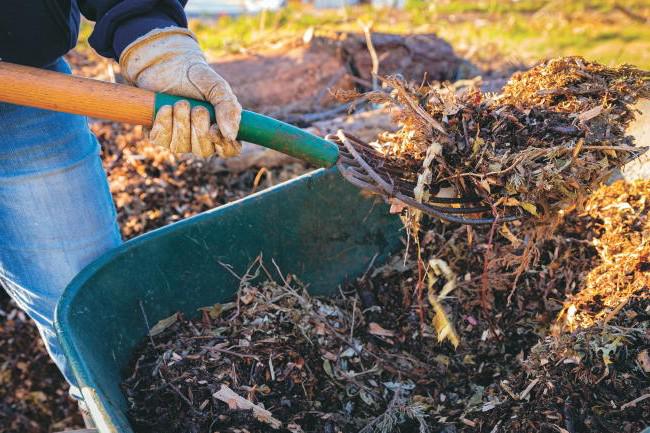
Composting should be at the heart of every garden. This year, refine your approach by treating it not just as a bin, but as an active practice. Aim for a good balance of green materials (kitchen scraps, green waste) and brown materials (cardboard, straw). Keep your pile aerated, moist (but not soggy), and covered so valuable nutrients aren’t washed away.
Like life, the more you put in, the more you get out. With steady effort, you will be rewarded with a steady supply of rich, homegrown compost that nourishes your crops while helping close the loop on household waste.
Mulch with grass clippings
If you enjoy a lawn, remember it can contribute more to your garden than just aesthetics. Grass clippings make an excellent mulch (provided no herbicides or moss killers have been used), suppressing weeds, conserving moisture and
gradually adding nitrogen as they decompose. Apply thin layers between rows of vegetables, using small amounts frequently rather than heavy layers.
Any surplus can be added to the compost heap, again in thin layers as grass piles will overheat and become slimy. Grass clippings are a free, readily available valuable resource that merit more than being dumped into a distant ditch.
Grow more perennials
Perennial plants are the ultimate low-maintenance, low-impact contributors to a sustainable garden. Once established, they return year after year with minimal input. Consider planting rhubarb, asparagus, perennial herbs, fruit bushes, perennial kale and alliums in your plot.
Not only do they produce early crops but they reduce the need for constant replanting and soil disturbance. And who doesn’t enjoy a rhubarb crumble?
Reduce single-use plastics
Gardeners often accumulate more plastic than they realise – pots, labels, trays, bags and ties all add up. This year, make a point to reuse what you already have, repair items when possible, and look for durable alternatives when replacements are needed.
Simple habits like cutting old plastic containers into long-lasting plant labels or choosing sturdier seed trays that can be used year after year can significantly reduce waste over time.
Make space for wildlife habitat
Even the most productive intensive food garden benefits from spaces left intentionally ‘wild’. A log pile, a small pond, standing stems over winter or an untouched corner creates refuge for insects, amphibians, and birds.
In turn, increased wildlife habitat will assist natural pest control, pollination and ecosystem balance, creating a win-win situation for you and your garden.
Q&A: Are old seeds still usable?
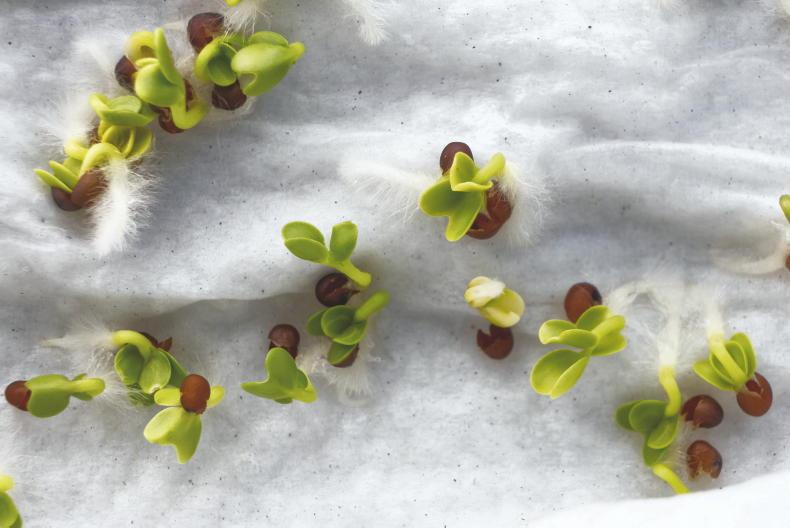
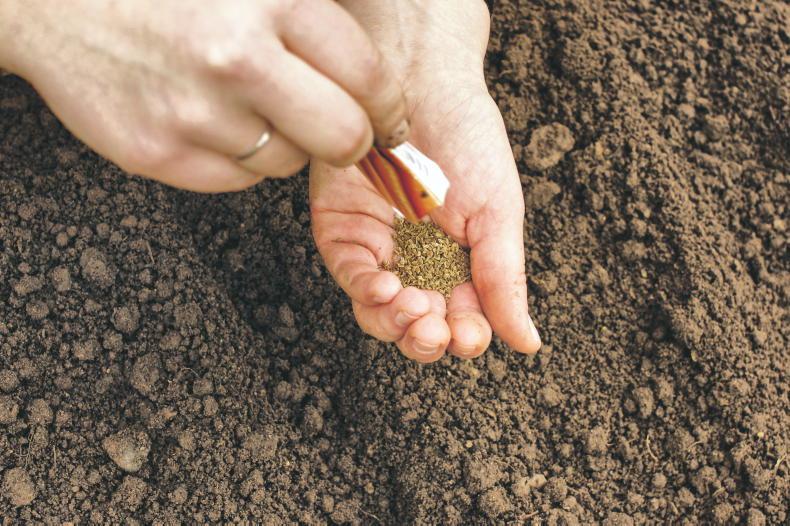
Seeds lose viability quickly if they are stored incorrectly. \iStock
I have lots of half-full seed packets from previous years and I’m unsure whether to buy new ones. How can I tell if they’re still viable, and is there a simple way to test them?
Seed viability varies by type and storage. Seeds lose viability quickly if stored incorrectly – the optimum conditions for preserving them are cool and dry, such as in sealed packets kept in an airtight containers in the fridge. Some seeds, such as parsnip and onion, rarely stay viable past a year, while most other vegetable and flower seeds last at least two years.
Older seeds may have reduced germination, so run a quick test by placing ten seeds on damp kitchen paper, seal loosely in a labelled plastic bag, and keep warm. If most sprout within 3-10 days, they’re worth sowing. However, low germination rates indicate that it’s time to buy fresh seeds. Non-viable ones can be fed to birds.
Although the kitchen garden is at a standstill with just a few hardy crops holding strong and cover crops quietly building soil, January is the perfect month to consider you gardening habits for the season ahead.
Now is the time when little can be physically done outside, so why not make the most of this and use the time to set intentions that benefit not only your garden, but the wider environment as well.
Seed choice
Seed choice shapes the success of your garden and in broader terms, the future of food. Open-pollinated varieties are often more resilient, more flavoursome and can be saved year after year, unlike hybrids.
Choosing organic seeds grown in Ireland ensures that the crops you grow are adapted to local conditions while strengthening our island’s seed sovereignty. This simple decision helps nurture a more self-reliant gardening approach, where seeds are grown, saved and shared locally from season to season.
Commit to peat-free growing
Peat extraction destroys ancient bog habitats, releases stored carbon, and disrupts biodiversity, yet peat is still commonly used in seed and potting compost. Make the switch to peat-free potting mixes that use materials like wood fibre, green compost, bark or leaf mold.
They perform as well in pots and propagation trays while helping to protect fragile ecosystems. When you buy bagged potting compost this year, check labels carefully and support brands committed to sustainable peat alternatives.
Prioritise water conservation
Water is becoming an increasingly precious resource. As the new norm appears to be distinct swings from drought to excess rain, it has never become more important to maximise on what we have.
Collect rainwater in barrels or install gutter-diverting systems, and pair this with mulching and smart watering routines to reduce evaporation. A simple upgrade to drip irrigation can deliver water directly to the root zone, especially useful in tunnel beds, saving water and time.
Boost biodiversity
Wildflower strips are one of the simplest, most attractive ways to invite biodiversity into your garden. By converting areas of lawn to a wildflower meadow and growing native wildflower patches in dedicated beds, around tunnels and garden verges or even in containers, you create an essential habitat for native pollinators like bees, hoverflies, butterflies and beneficial predators.
These small areas have a disproportionately positive ecological impact, improving pollination and helping with natural pest control.
Convert to a no-dig garden
If you’re looking for one resolution that boosts soil health, reduces labour and supports soil life, no-dig gardening is it. Rather than churning up the soil, simply surface layer organic matter such as compost or well-cured farm yard manure and let soil organisms do the work.
This approach protects soil structure, increasing both water-holding capacity and percolation, boots soil microbiology, reduces carbon release and leads to fewer weeds over time. Transitioning can be as simple as creating one new no-dig bed this year and expanding as you see the benefits.
Master your compost
Composting should be at the heart of every garden. This year, refine your approach by treating it not just as a bin, but as an active practice. Aim for a good balance of green materials (kitchen scraps, green waste) and brown materials (cardboard, straw). Keep your pile aerated, moist (but not soggy), and covered so valuable nutrients aren’t washed away.
Like life, the more you put in, the more you get out. With steady effort, you will be rewarded with a steady supply of rich, homegrown compost that nourishes your crops while helping close the loop on household waste.
Mulch with grass clippings
If you enjoy a lawn, remember it can contribute more to your garden than just aesthetics. Grass clippings make an excellent mulch (provided no herbicides or moss killers have been used), suppressing weeds, conserving moisture and
gradually adding nitrogen as they decompose. Apply thin layers between rows of vegetables, using small amounts frequently rather than heavy layers.
Any surplus can be added to the compost heap, again in thin layers as grass piles will overheat and become slimy. Grass clippings are a free, readily available valuable resource that merit more than being dumped into a distant ditch.
Grow more perennials
Perennial plants are the ultimate low-maintenance, low-impact contributors to a sustainable garden. Once established, they return year after year with minimal input. Consider planting rhubarb, asparagus, perennial herbs, fruit bushes, perennial kale and alliums in your plot.
Not only do they produce early crops but they reduce the need for constant replanting and soil disturbance. And who doesn’t enjoy a rhubarb crumble?
Reduce single-use plastics
Gardeners often accumulate more plastic than they realise – pots, labels, trays, bags and ties all add up. This year, make a point to reuse what you already have, repair items when possible, and look for durable alternatives when replacements are needed.
Simple habits like cutting old plastic containers into long-lasting plant labels or choosing sturdier seed trays that can be used year after year can significantly reduce waste over time.
Make space for wildlife habitat
Even the most productive intensive food garden benefits from spaces left intentionally ‘wild’. A log pile, a small pond, standing stems over winter or an untouched corner creates refuge for insects, amphibians, and birds.
In turn, increased wildlife habitat will assist natural pest control, pollination and ecosystem balance, creating a win-win situation for you and your garden.
Q&A: Are old seeds still usable?
Seeds lose viability quickly if they are stored incorrectly. \iStock
I have lots of half-full seed packets from previous years and I’m unsure whether to buy new ones. How can I tell if they’re still viable, and is there a simple way to test them?
Seed viability varies by type and storage. Seeds lose viability quickly if stored incorrectly – the optimum conditions for preserving them are cool and dry, such as in sealed packets kept in an airtight containers in the fridge. Some seeds, such as parsnip and onion, rarely stay viable past a year, while most other vegetable and flower seeds last at least two years.
Older seeds may have reduced germination, so run a quick test by placing ten seeds on damp kitchen paper, seal loosely in a labelled plastic bag, and keep warm. If most sprout within 3-10 days, they’re worth sowing. However, low germination rates indicate that it’s time to buy fresh seeds. Non-viable ones can be fed to birds.






SHARING OPTIONS