While many are tucking into turkey dinners on Christmas Day, healthcare workers are already halfway through their shifts. Irish Country Living talks to those quietly keeping the country going on Christmas week.
Dr Noreen Lineen-Curtis:
GP on Achill Island, Co Mayo
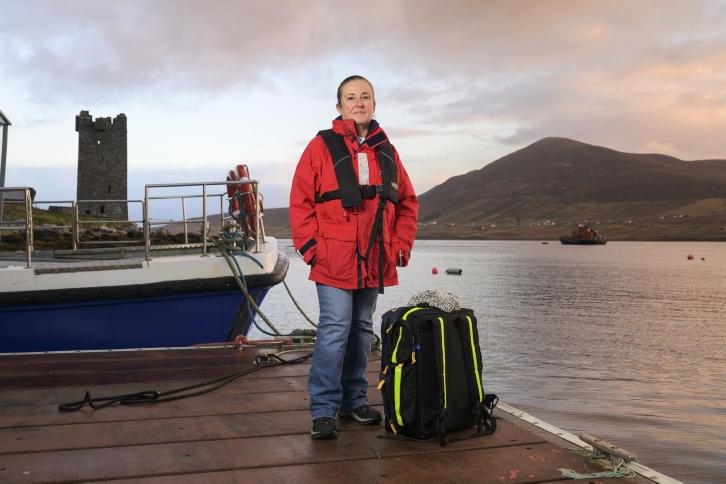
Dr Noreen Lineen-Curtis is a GP on Achill Island in Co Mayo, where she has worked for 25 years, initially as part of a group practice and now as a single-handed GP.
She also looks after the rural population on three other offshore islands: Clare Island, off the coast of west Mayo; Inishbiggle, northeast of Achill Sound; and Achill Beg, south of Achill Island.
Dr Lineen-Curtis is one of the only GPs in the country doing what she is doing, working “pretty much 24/7” without “any kind of back-up”. To paint a picture – every Wednesday, Dr Lineen-Curtis takes the ferry to Clare Island, where she serves the healthcare needs of a population of 130.
She works with the two resident nurses on the island, and they hold a clinic in the health centre. “The two nurses on Clare Island are absolutely amazing,” says Dr Lineen-Curtis. “They see everything first, they live there, they work there.”
Once a month, Dr Lineen-Curtis goes to Inishbiggle by currach. She sees roughly eight patients on the island, and the one patient on her list from Achill Beg “rows the boat over to Achill when he needs to see me. I’m not kidding”. Between time, she takes calls and schedules video consultations with her patients.
Dr Lineen-Curtis won’t be putting her feet up over the holidays. “I’m on every Christmas,” she says. “I can’t have a drink or switch off, or have my phone more than a foot from my hand at any one time, and I have to be ready to go.”
Her patients are all “very well behaved”, she adds. Mostly she is dealing with “all the normal chronic diseases, from diabetes to asthma, hypertension” but she does recall some Christmases past where she would be found at 2am “stitching somebody in a clinic” after they had a bad fall.
Despite the challenges of servicing very rural and remote patients, Dr Lineen-Curtis says: “I absolutely love my job”, adding she wouldn’t do anything else. Always being ‘on’ admittedly does “have an impact” on her husband, Dave (coxswain of the Achill RNLI Lifeboat) and her four children. “Certainly, when they were smaller, the kids knew I’d be there for Christmas Day, but on St Stephen’s Day, they would barely see me. I would be out seeing patients,” she says.
Anne Ryan: clinical nurse
specialist with cancer patients, Limerick
Anne Ryan is an acute haematology oncology service clinical nurse specialist at University Hospital Limerick, caring for cancer patients that are undergoing treatment and are unwell.
“We have patients that are getting different types of treatments, and they can become very unwell from the treatment, as well as the disease itself. If these patients become unwell at home, they ring in and we assess them over the phone using a standardised assessment tool. We will decide whether they need to come in and see us, if they should go to their GP, or if we can manage them to stay at home.”
Anne is working this Christmas Eve. The hospital is always busy over Christmas but “it’s great morale”, she adds. “It’s actually a lovely day to work, because everybody is in really good form. We make it a little bit of fun. We all bring in goodies and have nice treats on the day.”
Evidently, the nature of Anne’s work does not change at Christmas. “We would have patients that have the same problems on Christmas Eve that they have any other day of the year.”
However, she says the focus is on making sure as many patients as possible can stay at home over Christmas.“Unfortunately, for some people, it can be their last Christmas,” she says. “So we like to get them home. We make sure that they have adequate pain relief and anti-sickness medications for over Christmas.”
Not every patient can be discharged though and for those who must stay in hospital, it’s about “making it as pleasant as possible”, says Anne. “There is definitely a good cheer around the ward. I worked in the day ward for years over Christmas, and it’s about having a bit of fun with the patients and their families when they come in. We might have some Christmas music on in the day ward when they come in, when they’re sitting having their chemo.
“We would have the Christmas tree and the decorations, handing out boxes of chocolate and some mince pies. Naturally, you’re asking the patients with small kids, are they excited? What is Santa bringing? Are they doing little things for Christmas? You’re getting all the news out of them on Christmas Eve to distract them.”

Anne Ryan, Acute Haematology Oncology Service clinical nurse specialist at University Hospital Limerick.
Róisín O’Sullivan: intern paramedic, National Ambulance Service, Co Kerry
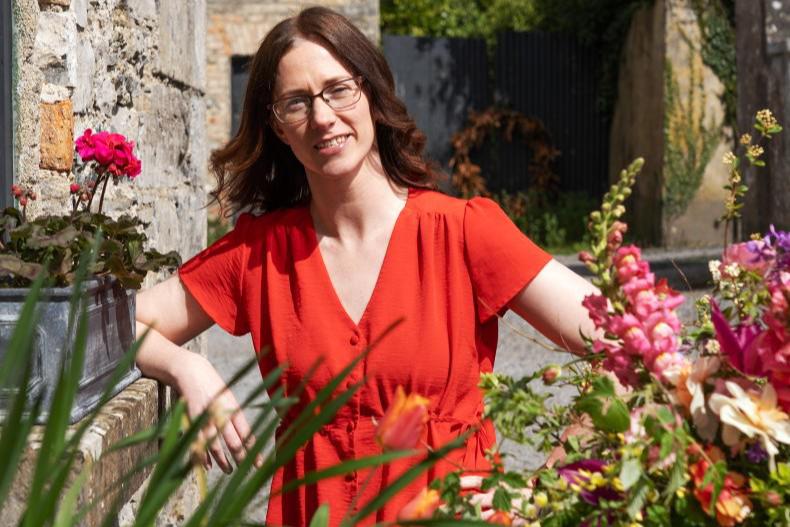
Intern paramedic, Róisín O’Sullivan, will be on the road this Christmas. Based out of Kenmare, Co Kerry, Róisín says Christmas is like a “normal day in in the ambulance service”, in many respects.
“You log on and you get your calls, check the ambulance, make sure we’ve got full stock and test our equipment. We have a radio, so we’re in contact with a control centre, and if there’s a call, we attend to that.
“Christmas is different to an extent, because you’re entering peoples’ homes at what’s supposed to be a happy time for them. If they’re calling us, it’s probably not such a happy time. There’s a different atmosphere around Christmas.
“Unfortunately, with the nature of our job, some calls can be, a bit different to your general ‘somebody has an infection’.
The kind of emergencies that Róisín tend to are varied, she explains. “I suppose with Christmas time, there could be more falls. A lot of elderly people could be at home for longer periods on their own and, being winter, they’re more prone to infection, so there’d be a higher call volume [of those type of calls]. Then there’s burns, as people are cooking and having a few drinks – some people might have a little tumble and different things like that.”
Last year, Róisín worked both Christmas Day and New Year’s Day, and worked many Christmases even before she had begun training to become a paramedic. “I’ve come from a healthcare background,” she tells Irish Country Living. “I used to work in a care home in Killarney. There’s a massive difference between working in a nursing home and being in the ambulance service.
“It was a busy care home, and some residents were going home for Christmas. We were getting them all dressed up and ready to go home for their Christmas Day. Then there were the remaining residents that don’t go home to their family or weren’t able to travel.
“All the residents have their Christmas dinner and we do games and make something of the day, and they all got their presents. I enjoyed it. I loved my time in the care home.”
Does she ever wish she could put her feet up on 25 December like the rest of us? “It’s a job that we’ve decided to go into and that’s one of the parts of the job,” Róisín says. “We do spend our day working but somebody has to be there at the other end of the phone.”

Róisín O'Sullivan, intern paramedic.
While many are tucking into turkey dinners on Christmas Day, healthcare workers are already halfway through their shifts. Irish Country Living talks to those quietly keeping the country going on Christmas week.
Dr Noreen Lineen-Curtis:
GP on Achill Island, Co Mayo
Dr Noreen Lineen-Curtis is a GP on Achill Island in Co Mayo, where she has worked for 25 years, initially as part of a group practice and now as a single-handed GP.
She also looks after the rural population on three other offshore islands: Clare Island, off the coast of west Mayo; Inishbiggle, northeast of Achill Sound; and Achill Beg, south of Achill Island.
Dr Lineen-Curtis is one of the only GPs in the country doing what she is doing, working “pretty much 24/7” without “any kind of back-up”. To paint a picture – every Wednesday, Dr Lineen-Curtis takes the ferry to Clare Island, where she serves the healthcare needs of a population of 130.
She works with the two resident nurses on the island, and they hold a clinic in the health centre. “The two nurses on Clare Island are absolutely amazing,” says Dr Lineen-Curtis. “They see everything first, they live there, they work there.”
Once a month, Dr Lineen-Curtis goes to Inishbiggle by currach. She sees roughly eight patients on the island, and the one patient on her list from Achill Beg “rows the boat over to Achill when he needs to see me. I’m not kidding”. Between time, she takes calls and schedules video consultations with her patients.
Dr Lineen-Curtis won’t be putting her feet up over the holidays. “I’m on every Christmas,” she says. “I can’t have a drink or switch off, or have my phone more than a foot from my hand at any one time, and I have to be ready to go.”
Her patients are all “very well behaved”, she adds. Mostly she is dealing with “all the normal chronic diseases, from diabetes to asthma, hypertension” but she does recall some Christmases past where she would be found at 2am “stitching somebody in a clinic” after they had a bad fall.
Despite the challenges of servicing very rural and remote patients, Dr Lineen-Curtis says: “I absolutely love my job”, adding she wouldn’t do anything else. Always being ‘on’ admittedly does “have an impact” on her husband, Dave (coxswain of the Achill RNLI Lifeboat) and her four children. “Certainly, when they were smaller, the kids knew I’d be there for Christmas Day, but on St Stephen’s Day, they would barely see me. I would be out seeing patients,” she says.
Anne Ryan: clinical nurse
specialist with cancer patients, Limerick
Anne Ryan is an acute haematology oncology service clinical nurse specialist at University Hospital Limerick, caring for cancer patients that are undergoing treatment and are unwell.
“We have patients that are getting different types of treatments, and they can become very unwell from the treatment, as well as the disease itself. If these patients become unwell at home, they ring in and we assess them over the phone using a standardised assessment tool. We will decide whether they need to come in and see us, if they should go to their GP, or if we can manage them to stay at home.”
Anne is working this Christmas Eve. The hospital is always busy over Christmas but “it’s great morale”, she adds. “It’s actually a lovely day to work, because everybody is in really good form. We make it a little bit of fun. We all bring in goodies and have nice treats on the day.”
Evidently, the nature of Anne’s work does not change at Christmas. “We would have patients that have the same problems on Christmas Eve that they have any other day of the year.”
However, she says the focus is on making sure as many patients as possible can stay at home over Christmas.“Unfortunately, for some people, it can be their last Christmas,” she says. “So we like to get them home. We make sure that they have adequate pain relief and anti-sickness medications for over Christmas.”
Not every patient can be discharged though and for those who must stay in hospital, it’s about “making it as pleasant as possible”, says Anne. “There is definitely a good cheer around the ward. I worked in the day ward for years over Christmas, and it’s about having a bit of fun with the patients and their families when they come in. We might have some Christmas music on in the day ward when they come in, when they’re sitting having their chemo.
“We would have the Christmas tree and the decorations, handing out boxes of chocolate and some mince pies. Naturally, you’re asking the patients with small kids, are they excited? What is Santa bringing? Are they doing little things for Christmas? You’re getting all the news out of them on Christmas Eve to distract them.”
Anne Ryan, Acute Haematology Oncology Service clinical nurse specialist at University Hospital Limerick.
Róisín O’Sullivan: intern paramedic, National Ambulance Service, Co Kerry
Intern paramedic, Róisín O’Sullivan, will be on the road this Christmas. Based out of Kenmare, Co Kerry, Róisín says Christmas is like a “normal day in in the ambulance service”, in many respects.
“You log on and you get your calls, check the ambulance, make sure we’ve got full stock and test our equipment. We have a radio, so we’re in contact with a control centre, and if there’s a call, we attend to that.
“Christmas is different to an extent, because you’re entering peoples’ homes at what’s supposed to be a happy time for them. If they’re calling us, it’s probably not such a happy time. There’s a different atmosphere around Christmas.
“Unfortunately, with the nature of our job, some calls can be, a bit different to your general ‘somebody has an infection’.
The kind of emergencies that Róisín tend to are varied, she explains. “I suppose with Christmas time, there could be more falls. A lot of elderly people could be at home for longer periods on their own and, being winter, they’re more prone to infection, so there’d be a higher call volume [of those type of calls]. Then there’s burns, as people are cooking and having a few drinks – some people might have a little tumble and different things like that.”
Last year, Róisín worked both Christmas Day and New Year’s Day, and worked many Christmases even before she had begun training to become a paramedic. “I’ve come from a healthcare background,” she tells Irish Country Living. “I used to work in a care home in Killarney. There’s a massive difference between working in a nursing home and being in the ambulance service.
“It was a busy care home, and some residents were going home for Christmas. We were getting them all dressed up and ready to go home for their Christmas Day. Then there were the remaining residents that don’t go home to their family or weren’t able to travel.
“All the residents have their Christmas dinner and we do games and make something of the day, and they all got their presents. I enjoyed it. I loved my time in the care home.”
Does she ever wish she could put her feet up on 25 December like the rest of us? “It’s a job that we’ve decided to go into and that’s one of the parts of the job,” Róisín says. “We do spend our day working but somebody has to be there at the other end of the phone.”
Róisín O'Sullivan, intern paramedic.







SHARING OPTIONS